A lot of Chicago property owners find out how much attention their TPO roof needs the same way. A ceiling stain shows up in March after a rough winter. Nobody saw water coming in during January. Nobody heard a complaint from a tenant in February. Then the snow melts, the roof starts moving with the temperature swing, and the weak spot finally shows itself.
That’s the problem with flat roof leaks. The damage often starts long before the drip. By the time water shows inside, the roof has usually been telling you for months where it’s vulnerable.
TPO roofing maintenance is what keeps a manageable roof issue from turning into an emergency call, tenant disruption, interior damage, and a repair bill you didn’t plan for. In Chicago, where freeze-thaw cycles, wind, ponding water, rooftop equipment, and foot traffic all work against a membrane roof, maintenance isn’t a nice extra. It’s part of owning the building.
Why Proactive TPO Maintenance Is Non-Negotiable in Chicago
A TPO roof can serve a building well for a long time, but only if it gets regular attention. TPO roofing systems have a realistic lifespan of 15 to 30 years, and reaching the upper end depends on consistent upkeep, especially in harsh climates, according to this TPO lifespan overview.
That range matters. The difference between a roof that gives you its full service life and one that fails early usually isn't the membrane alone. It’s the maintenance history.
The low-maintenance myth
TPO gets described as low-maintenance, and compared with some older systems, that’s fair. But low-maintenance doesn’t mean no-maintenance. In Chicago, it means the roof can perform well if you keep drains open, monitor seams, check flashing, and catch trouble around penetrations before water gets into insulation or the deck.
A property manager with a multi-unit building on the North Side sees this every year. Winter ends. Snow melts off unevenly. Rooftop units start cycling harder as temperatures swing. Then a stain appears near a top-floor hallway, or someone reports a damp patch around a vent stack. At that point, the problem isn't new. The roof has already gone through stress, movement, and moisture exposure.
Practical rule: If you wait for an interior leak to schedule roof service, you're already late.
What proactive care actually protects
Biannual inspections are the baseline. Spring and fall are the right windows because they catch two different sets of problems. Spring tells you what winter did. Fall tells you whether the roof is ready for freezing temperatures, ice, and backed-up drainage.
Routine maintenance also protects warranty compliance and helps the membrane keep its reflective surface clean. If you’re comparing long-term ownership costs, it also helps to understand how long a TPO roof can last with proper care.
The owners who spend less over time usually aren't the ones who avoid maintenance. They’re the ones who avoid emergencies.
Your Biannual TPO Inspection Checklist
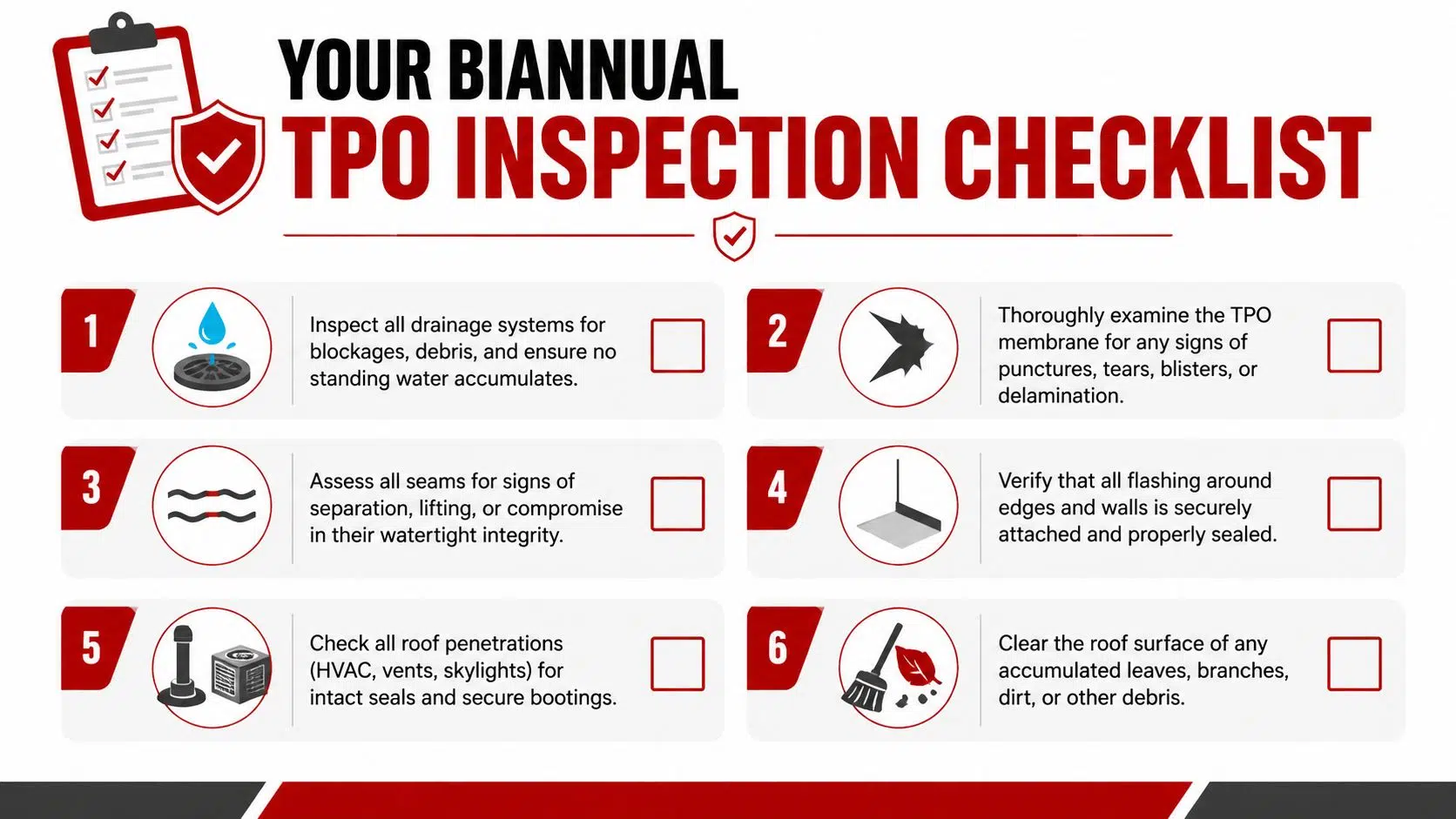
A proper roof inspection isn’t a quick walk and a glance at the drains. It’s a deliberate look at the places where TPO systems usually start failing. Between 70% and 80% of flat roof failures begin at seams, edges, and penetrations, which is why those areas deserve the most attention during every inspection, as noted in this TPO maintenance guide.
Use this visual as the basic map.
Start with the water path
Before looking at the membrane itself, check how water leaves the roof. On a flat or low-slope roof, drainage tells you a lot about future trouble.
Look at:
- Roof drains and strainers. Leaves, roofing granules, trash, and windblown debris build up fast.
- Scuppers and gutters. If they’re partially blocked, water lingers longer than it should.
- Low spots with residue rings. That often means ponding water has been sitting there repeatedly.
If water doesn’t move off the roof, everything else gets worse. Seams stay wet longer. Dirt holds moisture. Flashing stays under stress. In Chicago, standing water can also become ice, and that changes how the membrane and edge details behave.
Read the field membrane carefully
The open field of the roof is where many owners focus first, but it's vital to know what matters and what doesn’t.
Walk the roof carefully with soft-soled shoes if access is safe and appropriate. Look for cuts, punctures, blisters, scrapes from service traffic, and places where tools or mechanical work may have damaged the membrane. Around HVAC service paths, foot traffic often tells the story.
A few signs deserve more attention than others:
- Punctures or tears need repair planning.
- Raised areas or blisters can suggest trapped moisture.
- Surface grime may look cosmetic, but on a reflective roof it also affects performance and can hide defects.
- Repeated wear near equipment often means the roof needs walkway pads or stricter service access control.
Don’t confuse dirt with harmless aging. Dirt hides seam movement, punctures, and small openings that become obvious only after the next storm.
Probe seams, don’t just stare at them
Seams are the heart of a TPO roof. They’re supposed to stay fused and watertight. A visual check helps, but professionals also use a seam probe because some failures aren’t obvious until you test the edge.
When checking seams, pay attention to:
- Lifting edges
- Fishmouths or wrinkles
- Voids where the weld didn’t hold
- Areas that feel weak when gently probed
A roof can look acceptable from six feet away and still have a seam that’s starting to separate. That’s why a trained inspection matters.
Check every penetration like it’s a leak waiting to happen
Most major flat roof leaks don’t begin in the middle of the membrane. They show up around things that interrupt it. Vents, gas lines, skylights, drains, conduit supports, and HVAC curbs all deserve close inspection.
Look for split boots, loose flashing, sealant failure, gaps at corners, movement around equipment bases, and signs that another trade worked on the roof without proper roof detailing afterward. Electricians, HVAC techs, and sign installers can all create roof problems if they don’t coordinate with the roofing contractor.
Don’t ignore edges and walls
Parapet walls, coping transitions, edge metal, and base flashing all take wind and weather differently than the field membrane. If edge details loosen, water can get in behind the system and move sideways before it shows indoors.
A useful inspection log should note what was checked, what changed since the last visit, and what needs immediate repair versus monitoring. That’s how you spot patterns instead of treating every visit like a fresh start.
Essential Cleaning and Preventative Care Tactics
Inspection tells you what condition the roof is in. Cleaning and preventative care help keep it that way. This is the simple work that gets skipped because it doesn’t feel urgent. Then the roof starts holding water, the membrane gets dirtier, drains slow down, and small vulnerabilities stay hidden.

Clear the roof, not just the obvious debris
Blowing loose leaves around isn't maintenance. It’s housekeeping at best. Real preventative care means removing debris from the whole drainage path, including drains, scuppers, gutters, corners, and areas behind rooftop units where debris collects and stays wet.
That matters because flat roofs don’t forgive blocked drainage. Once water lingers, the roof surface stays under stress longer, dirt builds faster, and organic growth becomes more likely.
A solid maintenance routine usually includes:
- Debris removal from the membrane surface so branches, trash, and leaves don’t trap moisture
- Drain clearing by hand so clogs don’t keep water on the roof
- Tree trimming near the roofline to reduce puncture risk and limit leaf buildup
- Service path management so contractors stop creating traffic wear in the same spots
Use cleaners that won’t work against the membrane
TPO should be cleaned gently. A mild, non-abrasive cleaner made for roofing membranes is the safe choice. Harsh chemicals, bleach-heavy mixes, and aggressive solvents can damage the surface and shorten the roof’s useful life.
The same goes for pressure washing. Low pressure can help rinse the membrane if it’s done correctly. Overdo it and you can force water where it doesn’t belong or damage seams and flashings.
What works:
- Soft-bristle broom or brush
- TPO-compatible mild soap solution
- Controlled rinsing toward drains
- Spot cleaning around dirty traffic areas and rooftop equipment
What doesn’t:
- A stiff brush that scours the membrane
- High-pressure washing
- Unapproved chemical cleaners
- Letting sediment sit because it “isn’t a leak yet”
A clean TPO roof is easier to inspect, easier to maintain, and less likely to hide early failure.
Protect reflectivity and plan ahead
A dirty membrane doesn’t perform the same way as a clean one. Keeping the surface clear helps preserve the roof’s reflective properties and makes future inspections far more accurate. If the roof is aging or you’re evaluating restoration options, it helps to understand which flat roof coating approach fits the roof you already have.
Preventative care also includes simple controls that many buildings miss. Walkway pads near equipment, rules for rooftop access, and requiring other trades to report roof penetrations before and after work can prevent a lot of avoidable damage.
Cleaning isn’t glamorous work. It’s still some of the most valuable work you can do on a TPO roof.
Handling Common TPO Repairs and Patches
A Chicago property manager usually finds out about a "small" TPO problem after a tenant calls about a ceiling stain or a rooftop unit shuts down under standing water. By then, the repair is no longer just a patch. It can mean wet insulation, interior damage, and a service call that costs far more than it would have a month earlier.
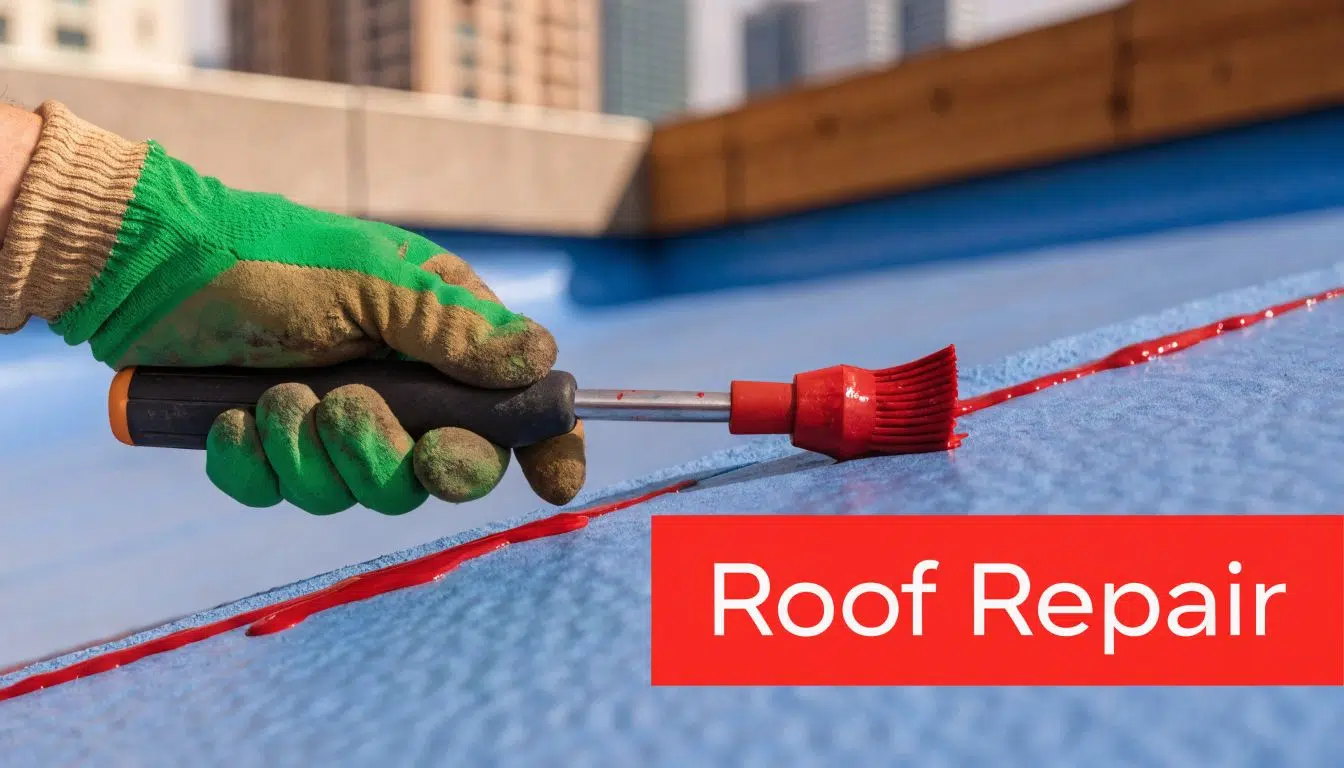
Seams and penetrations need precise repair work
TPO usually fails at the details first. Seams open up. Flashings pull loose. A pipe boot cracks. A dropped tool or service cart punctures the membrane near equipment.
Those are all repairable problems if the roofer treats them like system repairs, not surface touch-ups. A proper fix starts with finding the full extent of the issue, not just the visible opening. If water has worked below the membrane, the wet insulation or damaged cover board may need to come out before a new patch goes in. Otherwise, the roof may stop leaking for a short time while the assembly keeps deteriorating underneath.
Good repair work also depends on material compatibility. TPO patches should be cleaned, prepared, and heat welded correctly so they bond to the existing membrane. Generic mastics, roof cement, and hardware-store patch products create problems on TPO. They contaminate the surface, make future welding harder, and often fail during Chicago heat swings and freeze-thaw cycles.
What solid TPO repair looks like in the field
On a real service call, the repair should be deliberate. The crew should inspect the membrane around the leak, check the substrate condition, and confirm whether the problem is isolated or part of a larger seam or flashing failure.
Look for repair work that includes:
- Cleaning the membrane before any patching begins
- Using TPO-compatible materials designed for the existing roof system
- Heat-welded seam repairs or patches, not just sealant spread over the surface
- Inspection of insulation and cover board if moisture may be trapped below
- Careful work at drains, curbs, corners, and pipe penetrations where movement and stress are common
- Testing the completed repair to confirm the weld and attachment are sound
This matters most on commercial buildings with a lot of rooftop traffic. HVAC crews, electricians, sign contractors, and telecom installers can all damage a membrane without meaning to. I have seen more than a few "roof leaks" that started with another trade dragging equipment across the field of the roof or leaving an old penetration detail half-sealed.
Temporary patches cost more than they save
A fast patch can buy time during an active leak. It should not be confused with a finished repair.
That distinction matters for budgeting. Owners who delay a proper fix often end up paying for more than membrane work. They pay for tear-out of saturated insulation, interior repairs, tenant disruption, and emergency response time. If you are comparing service decisions, it helps to review how commercial flat roof repair pricing changes with repair scope. Small, early repairs are usually manageable. Repairs made after water spreads through the assembly are a different number.
If the repair does not bond cleanly into the membrane system, it is a temporary measure with a short shelf life.
Chicago weather punishes shortcuts. A patch that looks acceptable in mild conditions can separate after temperature swings, ponding, wind exposure, or ice at a drain bowl. That is why experienced TPO repair work focuses on seam integrity, substrate condition, and detail flashing first. Those are the areas that determine whether the repair lasts through the next season or fails on the next storm.
Winter-Proofing Your TPO Roof for Chicago Weather
Chicago winter is where a TPO roof proves whether it has been maintained well or merely left alone. A roof that looked acceptable in October can show seam movement, blocked drainage, membrane stress, and interior leakage by spring if winter prep was weak.
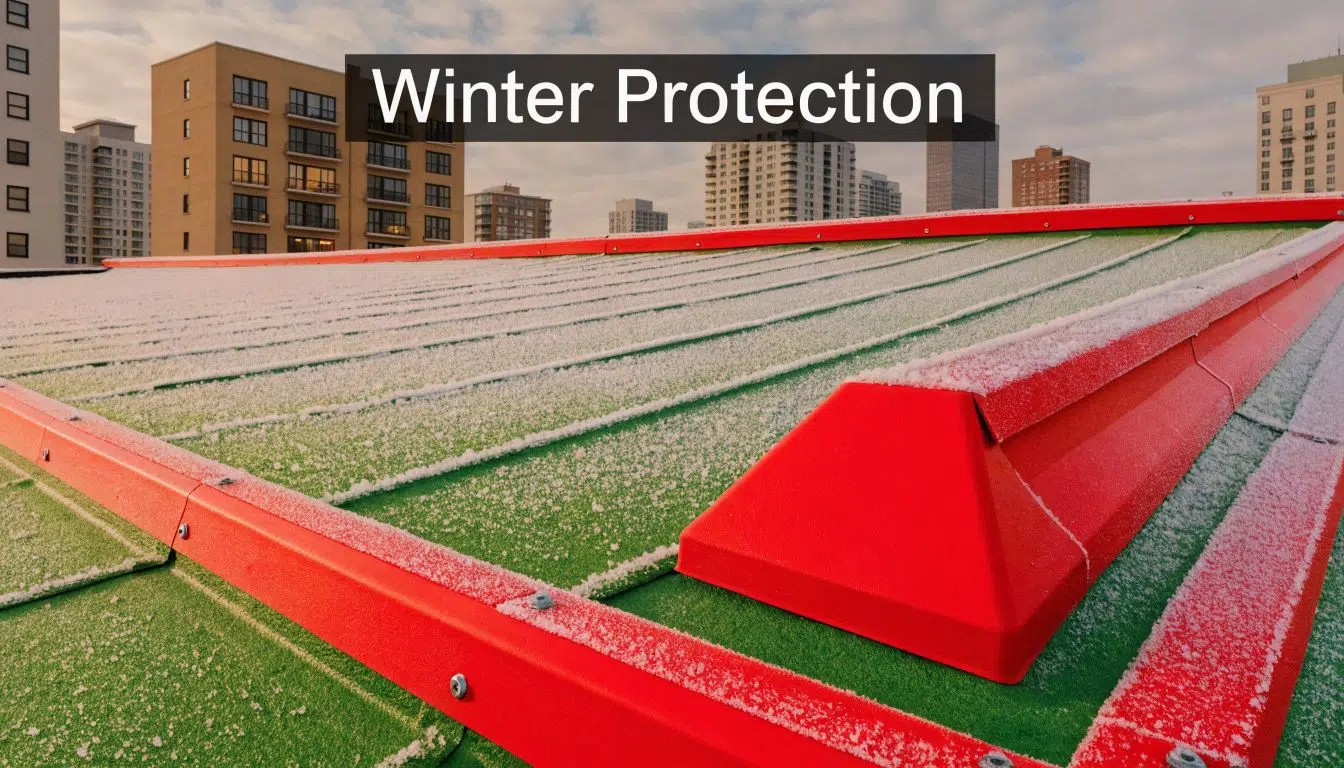
Cold changes how the membrane behaves
Generic maintenance advice usually falls short because in cold climates, TPO can stiffen below -20°F, and thermal contraction from temperature swings can increase seam stress by 15% to 20%, according to this cold-climate TPO maintenance guide.
That matters in Chicago because winter doesn’t just stay cold. It swings. Snow, thaw, refreeze, wind, and ice all put different kinds of pressure on the same roof in a short period of time.
When the membrane gets less flexible, it’s more vulnerable to damage from ice, foot traffic, and stress at transitions. Seams and flashing details feel that movement first.
The spring leak often starts in winter
A lot of owners assume the roof “made it through winter” because they didn’t see active dripping during the coldest weeks. But many Midwest leak calls come after snowmelt. Water gets held up by ice, finds a weak seam or flashing detail, and then shows inside after temperatures rise enough for meltwater to move.
The biggest winter risks usually come from:
- Blocked drains before snowfall
- Ice buildup near edges and drains
- Snow packed around curbs and penetrations
- Foot traffic from service crews crossing a cold, rigid membrane
- Deferred fall repairs that winter exposes quickly
Spring leaks usually aren’t spring problems. Winter set them up.
What winter-proofing should include
A Chicago-focused winter plan starts before the first major snowfall. Fall inspection should be stricter than a routine look-over. Drains need to be fully open. Seams and edge flashing need to be checked closely. Rooftop equipment curbs, pipe boots, and access paths need review because those are common weak points after freeze-thaw movement.
During winter, snow and ice management should be handled carefully. Random shoveling by maintenance staff can do more harm than good if blades catch the membrane or pile snow where drainage gets worse. Ice dam mitigation and emergency sealing are professional jobs because the roof is under stress, the material is less forgiving, and mistakes show up later as water infiltration.
For many Chicago buildings, the most practical strategy is simple. Inspect after snowmelt, correct small winter damage immediately, and don’t assume a dry ceiling means a healthy roof.
DIY Maintenance vs Hiring a Professional Roofer
There’s a line between sensible owner maintenance and work that should stay with a roofing contractor. Crossing that line usually costs more than it saves.
The safest approach is to handle simple observation and housekeeping tasks without disturbing the membrane, then bring in a professional for anything involving roof access, testing, repairs, or winter hazard response.
TPO Maintenance Task Breakdown DIY vs. Professional
| Maintenance Task | Recommended for DIY? | Requires Professional? | Typical Frequency |
|---|---|---|---|
| Visual interior check for ceiling stains or moisture signs | Yes | No | After storms and during routine building checks |
| Ground-level observation of drains, downspouts, and overflow behavior | Yes | No | During heavy rain and seasonal transitions |
| Removing loose debris where it can be done safely without walking the roof | Yes | No | As needed |
| Full roof walk, seam probing, and membrane condition assessment | No | Yes | Biannually and after major weather events |
| Repairing punctures, flashing, penetrations, or open seams | No | Yes | As needed |
| Heat-welded patching and leak testing | No | Yes | As needed |
| Snow load review, ice dam mitigation, and emergency winter response | No | Yes | During winter events |
Where owners can help
Owners, board members, and property managers are often the first to spot warning signs. That’s valuable. If tenants report odors, ceiling discoloration, bubbling paint, or recurring top-floor moisture after storms, that information helps direct the roof inspection.
Simple documentation also helps. Date-stamped photos, notes about when leaks appear, and records of when HVAC or telecom contractors were on the roof can shorten diagnosis time.
Where the contract pays for itself
The financial case for professional maintenance is straightforward. According to an NRCA report, annual professional maintenance contracts can avert 40% of full roof replacements and often pay back in 3 to 5 years through avoided repair costs and sustained energy savings, as summarized in this discussion of frequent TPO issues.
That’s the trade-off. You can pay for scheduled inspection, cleaning, minor corrections, and documentation on your terms. Or you can pay for emergency calls, interior damage, disruption, and larger repairs on the weather’s terms.
For most Chicago property managers, that isn’t a hard decision.
Frequently Asked Questions About TPO Maintenance
What cleaner should be used on a TPO roof
Use a mild, non-abrasive cleaner made for TPO or single-ply roofing membranes. Avoid harsh chemicals and aggressive solvents. If you’re unsure, ask the membrane manufacturer or your roofing contractor to confirm compatibility before cleaning starts.
Can an older TPO roof be coated
Sometimes, yes. It depends on the roof’s condition, seam integrity, moisture content, and whether the existing membrane is still a good candidate for restoration. Coating a wet or failing roof won’t fix underlying problems. The roof should be inspected first.
Does new rooftop equipment affect the roof
Yes. New HVAC units, venting, conduit runs, satellite equipment, and service platforms all create penetrations or extra traffic. Both can increase leak risk if the roofing contractor isn’t involved in detailing and review.
Can maintenance staff make small repairs
They can document issues and protect the area temporarily if there’s an active emergency, but permanent TPO repairs should be done by a qualified roofer. Improper sealants and patch materials often make later repairs more difficult.
How often should a TPO roof be inspected in Chicago
Twice a year is the right baseline, usually in spring and fall. Additional checks after major storms, heavy snow, or rooftop equipment work are also smart.
If you need a practical maintenance plan for a Chicago-area TPO roof, Expert Super Seal Roofing & Tuckpointing handles inspections, repairs, emergency leak response, snow removal, and ongoing roof maintenance for residential, commercial, and industrial properties across Chicagoland.