
A ridge vent is supposed to help your roof breathe. It lets hot, humid air escape from the attic and helps your home stay cooler and drier year-round.
So when water starts dripping around the ridge area, it can feel pretty confusing.
After all, that vent is there to protect the roof system, not create problems.
In this post, we’ll give you a quick rundown of the most common reasons a ridge vent starts leaking and what you can do about it.
#1 Improper Installation
This is probably the biggest culprit behind ridge vent leaks.
A ridge vent has to be installed very carefully because it sits right at the highest point of the roof. Small mistakes can create openings where water sneaks in during rainstorms.
Sometimes the installer cuts the roof opening too wide. Other times, the vent is not nailed down correctly, or the ridge cap shingles are placed improperly.
Even using the wrong nails can create future leak points.
You might not notice the problem right away either. A poorly installed ridge vent can seem fine for months or even years until a strong storm exposes the weak spots.
Also Read: Does Aluminum Roof Coating Stop Leaks?
#2 Damaged Ridge Vent Material
Like every other part of a roof, ridge vents wear out over time.
Sun exposure, heat, storms, and temperature swings can slowly break down the material.
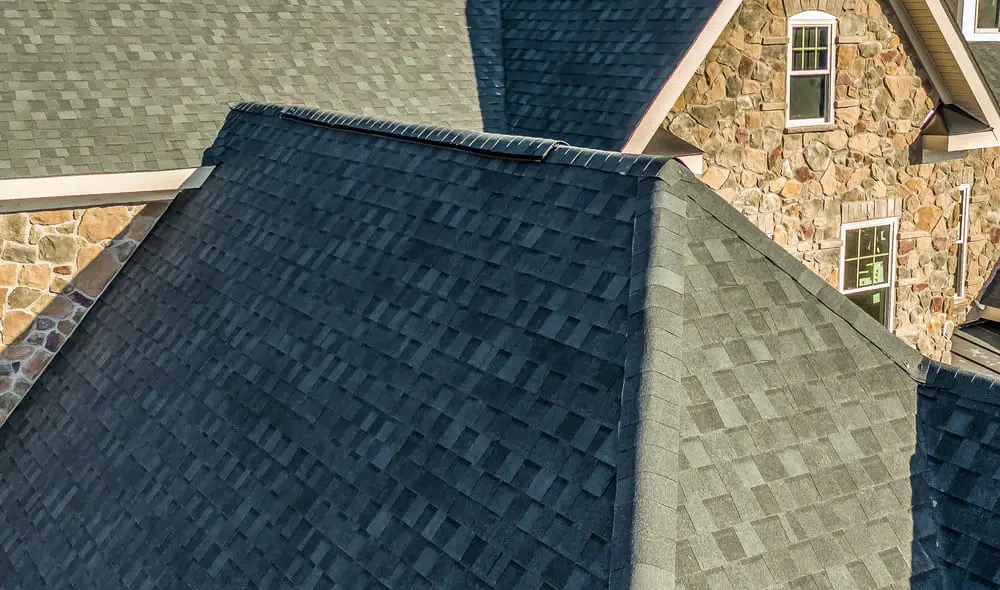
Plastic ridge vents may crack or warp. Metal systems can loosen or separate. Some older ridge vents become brittle after years of UV exposure, especially in areas with intense sun and heat.
Once the vent material starts deteriorating, small gaps form around the edges. Water only needs a tiny opening to make its way into the attic.
This kind of damage is pretty common on older roofs.
#3 Missing Or Loose Shingles Around The Ridge
The ridge vent itself is not always the actual problem.
In many cases, the shingles surrounding the ridge are damaged or missing, which allows water to work underneath the roofing materials.
Strong winds can loosen ridge cap shingles over time. Storm damage may pull shingles away from the ridge completely. Even aging can cause shingles to curl, crack, or lose their seal.
Once shingles around the ridge area become compromised, rainwater can travel beneath them and show up inside your home near the ridge vent. That is why roof leaks can sometimes be tricky to pinpoint without a close inspection.
If you recently had a windstorm roll through the area, this is definitely something worth checking.
#4 Exposed Nails Or Failed Sealant
Roofing systems rely heavily on sealants and properly covered fasteners to keep water out.
If nails become exposed near the ridge vent, leaks can start developing surprisingly fast.
Sealant also breaks down over time. Heat, sunlight, and moisture slowly dry it out until cracks form. Once that protective barrier fails, water starts finding pathways into the roof structure.
This issue often creates slow leaks at first. You may notice small ceiling stains or occasional dripping during heavy rain before the problem becomes more obvious.
Also Read: Roofing Options For Low Slope Roofs
The frustrating part is that these leaks can seem random.
One storm may produce no leak at all, while the next storm suddenly sends water into the attic because the wind direction changed slightly.
#5 Wind-Driven Rain Pushing Water Under The Vent
Even a properly installed ridge vent can struggle during severe storms with heavy wind-driven rain.
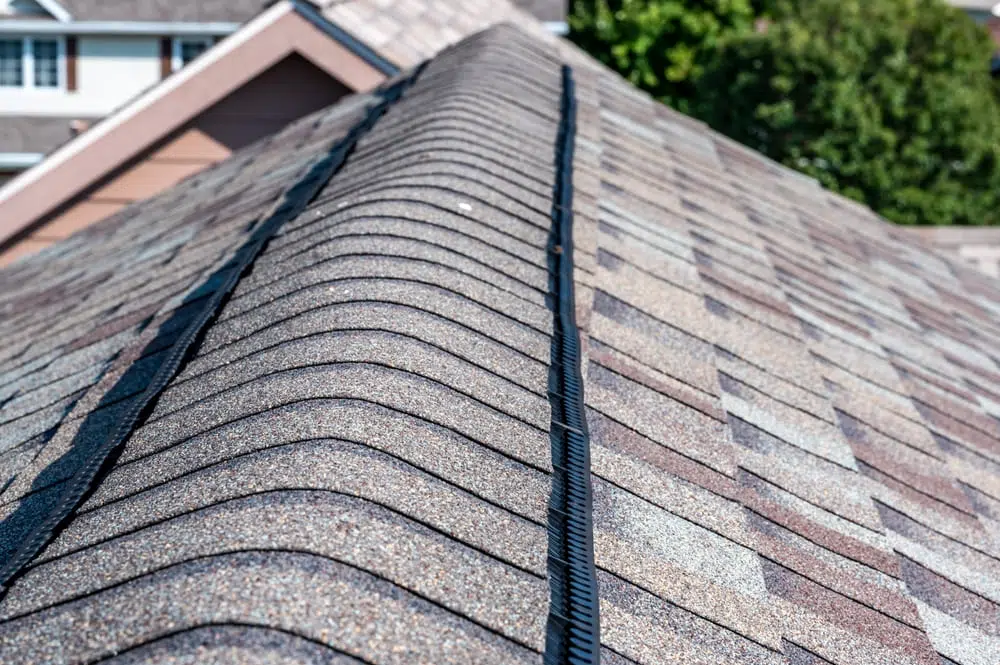
Normally, ridge vents are designed to block rain while still allowing airflow. But when strong winds force water upward and sideways, moisture can sometimes get pushed beneath the vent system.
This tends to happen more with older ridge vent designs or lower-quality products. Modern ridge vents usually include internal weather filters or baffles that help reduce this problem significantly.
If the leak only happens during major storms with strong winds, wind-driven rain is probably the reason behind your leaking vent ridge.
#6 Roofing Underlayment Problems
Underlayment is the protective barrier sitting beneath your shingles.
If the underlayment near the ridge becomes damaged or deteriorates, water can eventually make its way inside.
This problem usually develops gradually.
Older underlayment materials can dry out, tear, or weaken over time. Improper installation during a previous roof replacement can also leave vulnerable areas near the ridge.
In some cases, the ridge vent itself is perfectly fine, but the surrounding roof system underneath has started failing.
Unfortunately, underlayment issues often require more involved repairs because roofers may need to remove shingles and ridge materials to access the damaged sections below.
Also Read: Do I Need A Permit To Replace My Roof Myself?
#7 Ice Dams In Colder Climates
Homeowners in colder regions sometimes deal with ridge vent leaks caused by ice dams.
This happens when heat escapes through the roof, melts snow, and then refreezes near the roof edges.
As the ice builds up, water can back up underneath shingles and travel toward the ridge area. Once that moisture finds a path inside, it may appear as a ridge vent leak even though the vent itself is not directly responsible.
Poor attic ventilation and inadequate insulation usually contribute to ice dam problems.
Warm attic air creates uneven roof temperatures, which leads to melting and refreezing cycles all winter long.
This kind of leak shows up during periods of snow accumulation with freezing temperatures.
#8 Old Roof
Old roofs leak.
As roofing materials age, multiple components start breaking down together. Shingles lose granules. Sealants fail. Flashing loosens. Ridge vents weaken. Underlayment deteriorates.
All those small problems combine into one larger moisture issue.
If your roof is nearing the end of its lifespan, a leaking ridge vent may be one sign that the entire system is wearing out.
Many asphalt shingle roofs last around 20 to 30 years depending on climate, installation quality, and maintenance. Once roofs hit that older age range, leaks become much more common.
How To Fix A Leaking Ridge Vent
The repair depends entirely on what caused the leak.
Small problems like exposed nails or damaged shingles may only require minor repairs and resealing. If the ridge vent itself is cracked or poorly installed, replacing the vent section may solve the issue completely.
In more serious situations, roofers may recommend larger repairs involving underlayment replacement or partial reroofing near the ridge.
A full roof replacement sometimes makes the most financial sense if the roof is already old and showing multiple signs of failure.
Continually patching leaks on an aging roof can become expensive pretty quickly.
Bottom Line
A leaking ridge vent usually points to installation problems, aging roofing materials, storm damage, or nearby roof deterioration.
Sometimes the fix is simple. Other times, the leak is a warning sign that the roof system needs more attention overall.
The sooner you address the problem, the better. Small leaks have a way of turning into insulation damage, mold growth, wood rot, and ceiling repairs if they sit too long.
If you notice water stains, attic moisture, or dripping near the center of the house, having the roof inspected early can save you from much bigger repairs later on.