If you’ve got a leaking roof and somebody tells you, “Just roll on some aluminum roof coating,” it can sound like an easy miracle fix.
And honestly, sometimes it does help.
But there’s a catch.
Aluminum roof coating works best in certain situations and falls pretty flat in others.
A lot of homeowners expect it to completely solve any roof leak overnight. That’s usually not how it goes. It can buy you time, improve your roof’s condition, and seal small trouble spots, but it’s not going to rescue a badly damaged roof.
In this post, we’ll explain if aluminium roof coating stops leaks.
Can Aluminum Roof Coating Stop Leaks?
Yes, aluminum roof coating can stop leaks, but only the small ones.
The coating creates a reflective, water-resistant layer over the roof surface. Once it dries, it helps seal tiny cracks, pinholes, and weak seams where moisture sneaks in.
That’s why it’s commonly used on metal / flat roofs that are starting to show signs of aging.
If your roof only has minor wear and tear, there’s a good chance the coating can help stop light leaking.
In some cases, it even prevents future leaks from developing because it protects the roof from sun damage and weather exposure.
But here’s the important part: aluminum coating is not really designed to replace actual repairs. If water is pouring through the ceiling every time it rains, coating alone probably won’t cut it.
It may slow the problem down for a while, though the underlying damage will still be there.
Also Read: Chimney Leaking Black Liquid
A good way to think about it is like putting a bandage on a scrape. Great for small issues. Not so great for a broken bone.
What Types Of Roof Leaks Can It Fix?
Aluminum roof coating does best with surface-level problems. Tiny openings and early-stage deterioration are exactly what it was made for.
It can usually help with:
- Hairline cracks in roofing material
- Small gaps around seams
- Tiny pinholes in metal roofing
- Minor leaks caused by aging surfaces
- Light moisture penetration around patched areas
For example, if you’ve got an older metal shed roof with a few tiny drips during heavy rain, coating may seal those weak spots nicely.
The same goes for flat roofs that have small worn areas but are still structurally solid.
It’s especially popular because it reflects sunlight and helps reduce heat buildup.
That said, success depends heavily on the roof’s condition before you apply anything. If the roof already has hidden damage underneath, the coating can only do so much.
What Problems It Won’t Solve
Aluminum roof coating won’t fix serious roofing problems.
It’s not thick enough or strong enough to repair major structural damage.
In fact, putting coating over a badly damaged roof can sometimes hide the issue temporarily while the damage underneath keeps getting worse.
Also Read: Is It Normal for a Roof to Leak in Heavy Rain?
Here are some problems it usually won’t solve:
- Large holes or torn roofing material
- Rotten roof decking or wood damage
- Loose flashing around vents or chimneys
- Sagging roof sections
- Active heavy leaks with trapped moisture underneath
If water has already soaked into insulation, wood, or interior ceilings, a coating won’t reverse any of that. You’ll still need proper repairs.
A lot of people also make the mistake of applying coating directly over damaged areas without patching them first. That almost always leads to disappointment later. The coating may stick for a short time, but once heat, rain, and expansion kick in, the leak comes back.
Why Aluminum Roof Coating Sometimes Fails
Sometimes the product itself isn’t the problem at all. The application process is usually where things go sideways.
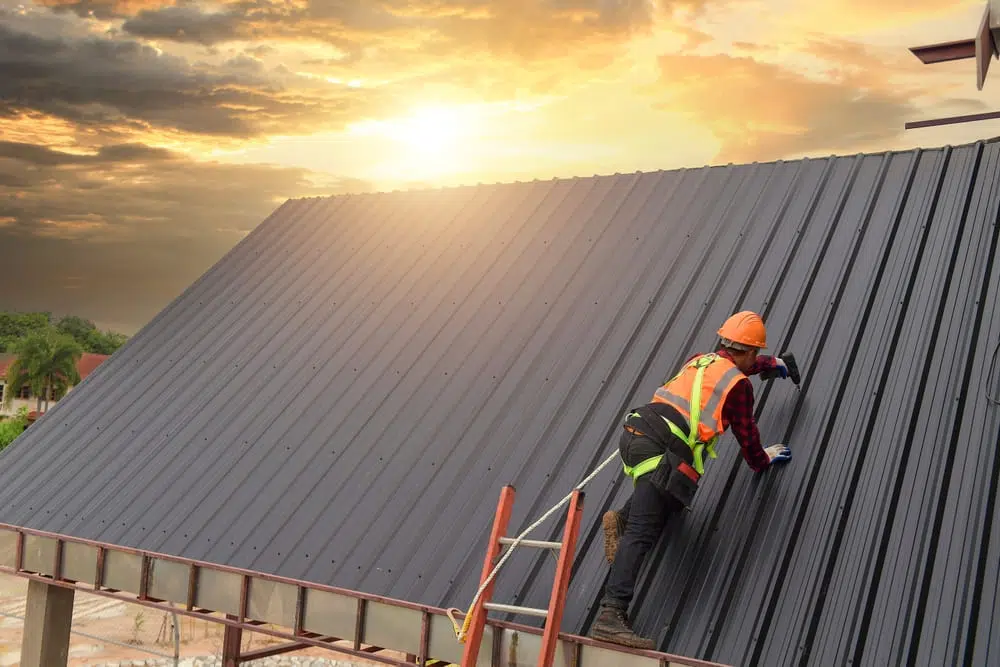
One of the biggest reasons aluminum roof coating fails is poor surface preparation.
Roofs collect dirt, dust, oils, and loose debris over time. If you apply coating over all that mess, it won’t bond properly. Eventually it peels, cracks, or separates.
Another common issue is applying it over wet surfaces.
Moisture trapped underneath the coating can create bubbling and weak spots later on. Even a small amount of trapped water can ruin the seal.
Applying coating during extremely humid conditions or right before rain can also mess with the curing process. Some people rush the job and end up sealing in problems instead of fixing them.
If the roof already has serious physical damage, coating is basically trying to cover a moving problem with a thin layer of protection.
Also Read: New Roof Leaking After 2 Years?
How To Properly Apply Aluminum Roof Coating
If you decide to use aluminum roof coating, taking your time matters a lot.
First, inspect the roof closely. Look for damaged areas, loose screws, cracks, soft spots, or separated seams. Anything obviously damaged should be repaired before coating goes on.
Next comes cleaning. This part is boring, but honestly, it’s probably the most important step. Sweep away debris, wash off dirt, and let the roof dry completely.
A clean surface helps the coating stick properly instead of peeling later.
Once the roof is dry, patch any larger cracks or holes using roofing cement or compatible patch materials. After that, you can start applying the aluminum coating evenly across the surface using a roller, brush, or sprayer.
A few quick tips help a lot here:
- Apply thin, even coats instead of one super thick layer
- Avoid coating during rainy or extremely humid weather
- Give the coating enough drying time before walking on it
- Follow the manufacturer’s coverage recommendations
Alternatives To Fix Roof Leaks
If aluminum roof coating isn’t enough for your situation, there are other options that work better depending on the damage.
Roof sealants are often used for localized leaks around seams, vents, or flashing.
These products are thicker and designed specifically for waterproof sealing.
Patch repairs are another common fix. If one section of roofing material is damaged, replacing or patching that area may solve the problem more effectively than coating the whole roof.
For older roofs with widespread deterioration, replacement might eventually become the smarter long-term move.
Nobody loves hearing that, of course, but constantly reapplying temporary fixes can sometimes cost more over time.
When To Call A Professional
Some roof problems are manageable as DIY projects. Others really aren’t.
If your roof leak keeps returning after multiple repair attempts, it’s probably time to bring in a professional roofer. The same goes for leaks involving electrical areas, major water stains, sagging ceilings, or visible structural damage.
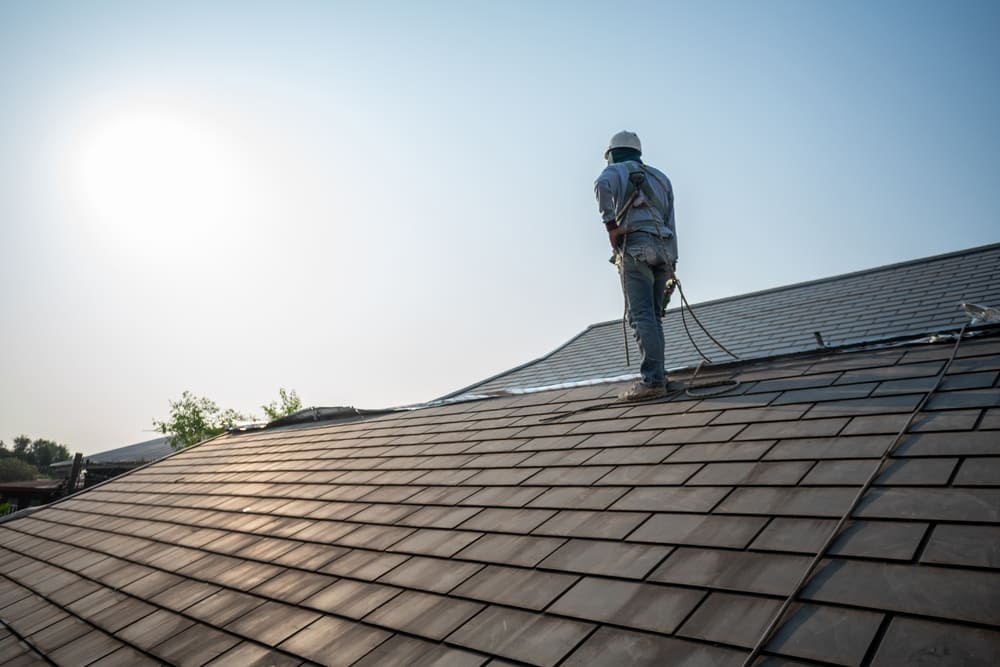
Climbing around on steep or slippery roofs can get dangerous fast, especially if the surface is already compromised.
A roofing professional can also identify hidden issues that aren’t obvious from the surface.
Getting an inspection early can prevent a much larger repair bill later.
Bottom Line
Aluminum roof coating can help stop minor leaks, especially small cracks, seams, and aging surface issues. It’s useful as a protective layer and works well for preventative maintenance too.
But it’s not a cure-all for serious roof damage.
If your roof has major holes, rot, sagging, or heavy active leaks, coating alone probably won’t solve the problem for long. In those situations, repairs need to come first.
Used the right way, though, aluminum roof coating can extend your roof’s life, improve weather resistance, and help keep small issues from turning into expensive headaches.