
You hear the wind pushing against the house at night. Then the temperature drops, the gutters freeze, and by morning you’re looking up at the roof wondering if that small stain on the ceiling is about to become a much bigger problem.
That’s where a lot of Chicago homeowners get stuck. They know the roof matters, but they also know every home system seems to want money at the same time. So roof care gets pushed down the list until a leak forces the issue.
Affordable roof maintenance starts with a different mindset. The goal isn’t to spend more on your roof. The goal is to spend smarter, at the right time, on the right things, so you don’t get cornered into an emergency repair during the worst weather of the year.
Your Roof Is an Asset Not an Expense
A Chicago roof earns its keep every season. It stands up to lake-effect wind, heavy snow loads, ice at the eaves, spring rain, and summer heat that bakes aging shingles. If that system starts to fail, the cost spreads fast from the roof deck to insulation, drywall, trim, flooring, and sometimes electrical work.
That is why roof maintenance belongs in the same category as furnace service or gutter upkeep. It protects a major part of the house and helps you avoid repairs that happen on bad timing, in bad weather, at the worst price.
According to Modernize’s roof repair cost guide, typical roof repairs range from $350 to $1,900, with many homeowners paying about $1,150. In Chicago, emergency calls often get more expensive because crews are working around active leaks, frozen materials, high winds, or damage that has already moved inside the home.
What homeowners get wrong
A lot of owners treat the roof like a finish material. It is a working system. Shingles or membrane matter, but so do flashing details, drainage, attic ventilation, and the roof edge. One weak point can let water reach places that cost much more to fix than the original problem.
Another common mistake is waiting for a ceiling stain. By then, the roof problem has already won a few rounds. Water often gets in long before it shows itself in the living space.
Early warning signs usually look minor:
- Loose or lifted shingles after strong wind
- Granules collecting in gutters on asphalt roofs
- Rust, gaps, or movement at flashing near chimneys and walls
- Stains on soffits or attic framing
- Gutters overflowing at the roof edge
Those issues do not always call for a major repair. They do call for attention while the fix is still small.
The better way to budget
Affordable roof maintenance is really about controlling timing. A planned inspection and a few small corrections cost less than a leak that shows up during a January freeze or a spring storm.
For many Chicago homes, the smart middle ground is simple. Handle safe visual checks and basic cleanup yourself. Bring in a roofer for problem areas, hard-to-reach sections, flashing concerns, drainage issues, and anything that involves getting on the roof. Property owners who want a clearer plan can review residential roof maintenance services for Chicago homes to see what routine upkeep usually includes.
A roof is part of the house’s value. Treat it that way, and you usually spend less over the life of the system.
Your Biannual Roof Health Checkup
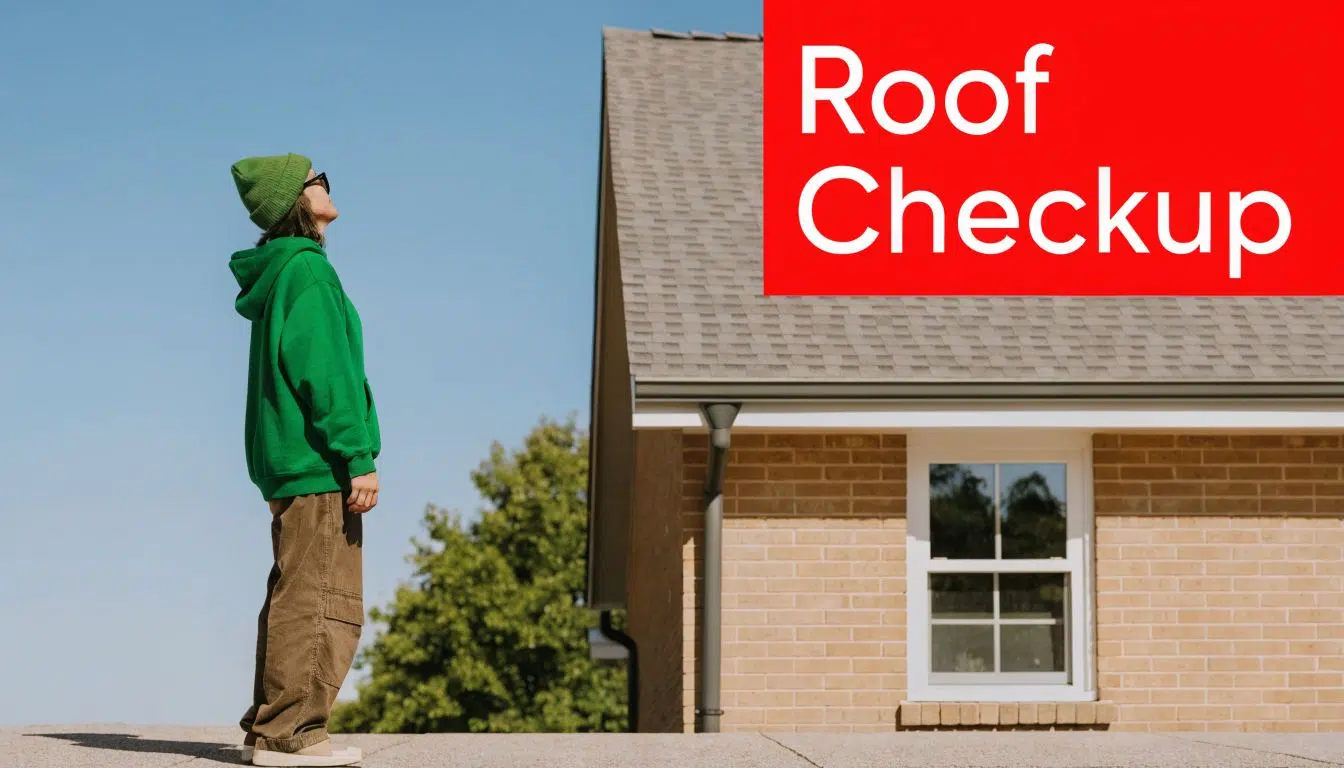
Most homeowners don’t need to climb onto the roof to do a useful inspection. In fact, on many Chicago homes, climbing up there creates a bigger risk than the inspection solves. A good ground-level check, paired with an interior look in the attic or top-floor ceilings, catches a lot.
Start in spring and fall. Add a quick visual check after major wind, hail, or heavy snow events.
What to look for from the ground
Walk the full perimeter of the house slowly. Don’t glance up for ten seconds and call it done.
Look for these visible clues:
- Missing shingles or tabs that expose the roof surface to wind-driven rain
- Curling or buckling shingles that often signal aging or heat and moisture stress
- Dark, uneven patches that may suggest material wear
- Bent or displaced flashing around chimneys, walls, and roof penetrations
- Sagging lines along ridges or roof planes
- Granule buildup near downspouts or in gutters on asphalt shingle roofs
- Overflow marks on gutters that hint at clogs or poor drainage
- Stains on soffits or fascia that may mean water is backing up at the edge
Use binoculars if you have them. A phone camera with zoom also helps. What matters is consistency. If you take photos from the same corners of the yard every season, changes become easier to spot.
What to check inside the house
Roof problems often show themselves indoors first, especially in older Chicago homes with layered repairs or complicated rooflines.
Check these areas:
- Attic sheathing and rafters for dark staining, damp spots, or moldy odor
- Insulation for wet or compressed areas
- Ceilings near exterior walls for yellow or brown water marks
- Around chimneys and vent penetrations for subtle staining or peeling paint
- Daylight through the roof deck if you’re in an unfinished attic
A roof can look decent from the curb and still have trouble at a vent stack, valley, or flashing seam.
What not to do
Don’t power wash shingles. Don’t pry at flashing to “test” it. Don’t get on a steep, icy, wet, or high roof. And don’t assume a stain is old just because it’s dry today.
If you see a new interior stain, a section of missing roofing, or sagging anywhere on the roofline, stop inspecting and call a roofer.
Three red flags that need immediate professional attention
- Water is actively entering the house
- Flashing is visibly loose around a chimney or vent
- A section of the roof looks dipped, soft, or uneven
A biannual checkup doesn’t replace a professional inspection. It gives you a clear picture of whether the roof is aging normally or starting to slip.
Practical Seasonal Tasks for Every Homeowner
A Chicago roof can come through January looking fine from the street and still be one clogged gutter away from a spring leak. That is why seasonal maintenance works best when it follows local weather, not a generic checklist pulled from somewhere warmer.
The goal is simple. Handle the low-risk work yourself, catch small changes early, and avoid the kind of neglect that turns a manageable repair into an emergency call during a storm.

The best homeowner tasks stay at ground level, ladder level if you are steady and comfortable there, or inside the attic. Once a job requires walking a steep roof, reaching near power lines, or working around ice, the risk climbs faster than the savings.
Spring cleanup after winter stress
Chicago winters punish roof edges, gutters, and anything that traps water. Spring is the season to check what freeze-thaw cycles loosened and what snowmelt left behind.
Start with drainage and debris.
- Clear branches, seed pods, and leaf buildup: Valleys, lower roof sections, and gutters hold moisture longer when debris sits there.
- Test gutter flow: Run water through each downspout and watch for overflow at the eaves or slow discharge at the bottom.
- Look for shifted shingles from the ground: Lifted tabs, uneven lines, or exposed spots often show up after windy winter weather.
- Check soffits and fascia for staining or peeling paint: Those signs usually point to water backing up at the roof edge.
Spring is also a good time to walk the property after a hard rain. If one corner of the gutter spills over while the rest drains normally, that section needs attention before summer storms hit.
Summer prevention work
Summer gives homeowners the easiest working conditions of the year. Roof surfaces are dry, daylight lasts longer, and small problems are easier to see before cold weather hardens everything up.
Focus on anything that touches the roof or creates an entry point.
- Trim back overhanging limbs: Branches scrape shingles, drop debris into valleys, and give squirrels easy access.
- Watch for animal activity near soffits and vents: Nesting and chewing often start at already weak spots.
- Check visible sealant and flashing from a safe vantage point: Cracks, gaps, or lifted edges around vent pipes and wall intersections deserve a roofer’s opinion before they leak.
- Note moss or algae growth: Treat it properly. Scraping or power washing shortens shingle life.
Summer is also the right time to fix drainage annoyances you noticed in spring. A loose elbow on a downspout or a section that dumps water near the foundation is cheaper to address in July than during a November cold snap.
Fall prep before the first freeze
Fall does the most to decide how a Chicago roof will perform in winter. If water cannot move off the roof cleanly before the first freeze, ice starts building at the eaves, behind debris, and around slow-draining gutters.
That is where routine maintenance pays for itself.
Fall tasks worth doing every year
- Clean gutters and downspouts fully: Front gutters only is not enough. Rear runs, upper sections, and buried extensions matter too.
- Clear roof valleys: Wet leaf piles hold water against shingles and flashing.
- Confirm downspouts discharge away from the house: Water should move out, not collect near the foundation or back up at the gutter.
- Check attic intake paths at the eaves: Blocked airflow makes winter moisture and ice problems more likely.
- Take updated photos of the roofline, gutters, and attic: Good records make it easier to spot change and document storm damage later.
A lot of affordable roof maintenance is plain timing. Clean the gutters before leaves turn to sludge. Trim branches before snow loads bend them lower. Deal with a small drainage problem while the weather is dry and the fix is straightforward.
That is how Chicago homeowners keep routine upkeep from turning into emergency repair bills.
Knowing Your Limits DIY vs Professional Repairs
A Chicago homeowner often sees the problem after the hard part has already happened. A brown ceiling spot shows up after a wind-driven rain. A shingle looks loose after a January thaw. From the yard, it can look like a small patch job. On the roof, it may involve wet underlayment, bent flashing, or water that entered several feet away from the stain.
That is why repair decisions matter as much as repair technique.
DIY makes sense for maintenance and observation. It makes less sense for repairs that open the roofing system or require you to diagnose where water entered. On Chicago homes, especially older brick buildings with chimneys, parapets, and mixed roof lines, the visible symptom is often only part of the problem.
Where DIY makes sense
Stay in the DIY lane when the task is low-risk, does not disturb roofing materials, and can be done from a stable ladder position or from inside the attic.
Good examples include clearing gutters, removing light debris from the roof edge, taking photos after a storm, and checking the attic for fresh staining, damp insulation, or daylight around penetrations.
That kind of work helps you catch trouble early without creating new trouble.
DIY gets expensive when homeowners start lifting shingles, spreading roof cement around flashing, or trying to seal a leak without knowing the water path. A patch that holds for one storm can still fail in the next freeze-thaw cycle. In Chicago, that is common. Water gets in, temperatures swing, materials move, and the small shortcut turns into an emergency call.
The correct comparison
Homeowners often compare only the first bill. The correct comparison is the price of one repair done properly versus the cost of a failed repair, damaged insulation or drywall, and a rushed visit during bad weather.
That math changes fast if the mistake delays a larger decision. If a roof is already near the end of its service life, patching the wrong area over and over can waste money that should have gone toward planning. Reviewing what a new roof costs in Chicago helps put those repair choices in context.
DIY vs. Call a Pro When to Make the Call
| Roofing Issue | Recommendation | Reasoning & Risk |
|---|---|---|
| Leaves and small branches on the roof edge | Safe for DIY | Low-risk maintenance if you can remove debris from a safe position without walking the roof |
| Gutter cleaning and downspout flushing | Safe for DIY | Important preventive work, but only if ladder use is safe and conditions are dry |
| A few granules showing up in gutters | Consider a Pro | Could be normal wear or a sign the shingle surface is aging unevenly |
| One visibly lifted or missing shingle on a low, simple roof | Consider a Pro | The exposed area may be small, but wind damage often affects seals and surrounding materials |
| Staining on an upstairs ceiling | Call a Pro Immediately | Interior staining means water has already traveled past the exterior roofing system |
| Damaged flashing at a chimney, wall, or vent | Call a Pro Immediately | Flashing repairs fail fast when they’re patched instead of rebuilt correctly |
| Sagging roofline or soft-looking decking | Call a Pro Immediately | This can point to trapped moisture, deck deterioration, or structural trouble |
| Ice at the eaves with water backing up | Call a Pro Immediately | This is a winter water management problem, not a simple cleanup task |
A practical line to use
If the job requires lifting shingles, replacing flashing, resealing a vent or chimney detail, or tracing an active leak, call a roofer.
I have seen plenty of homeowners save money by handling the easy work themselves and calling for help before they cross into hidden-layer repairs. That balance is usually the affordable one. Companies such as Expert Super Seal Roofing & Tuckpointing handle inspections and repair work on shingle and flat systems, which is useful when the problem sits at a chimney, parapet, valley, or other detail that tends to fool DIY repairs.
Field judgment matters: The leak you see in the bedroom may have started several feet away from the stain.
The cheapest invoice is not always the lowest-cost outcome.
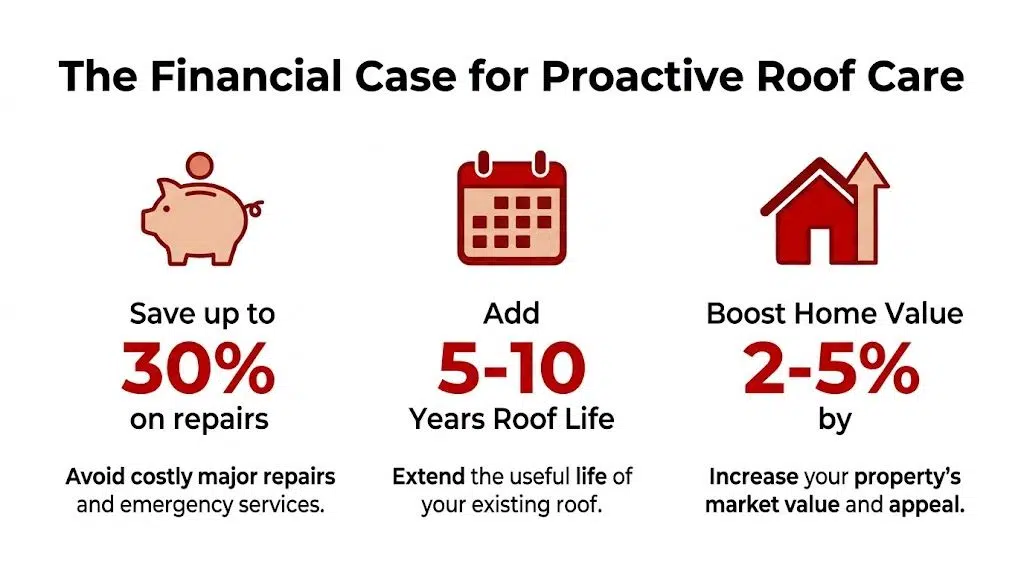
The Financial Case for Proactive Roof Care
Some homeowners still think maintenance is money spent without a visible return. On paper, the opposite is true. Roof maintenance is one of the clearest examples of a small recurring cost protecting you from a large irregular cost.
A long-term study cited by Bloom Roofing’s summary of proactive roof maintenance data found that proactive maintenance extends roof lifespan by 62 percent, from 13 years to 21 years, and reduces annual costs by 44 percent. The same source notes average proactive maintenance cost at 14 cents per square foot annually, compared with 25 cents per square foot for reactive maintenance. It also reports that reactive damage can trigger secondary interior repairs that cost 10 times more than the initial repair.
Why this matters in Chicago
Chicago roofs don’t age in a calm environment. Snow load, standing water on flatter sections, high winds, blocked gutters, and freeze-thaw cycles punish weak details. On multi-unit buildings and condos, one neglected roof area can affect multiple units fast.
For owners who need predictability, maintenance plans turn surprise spending into scheduled spending. That’s useful for single-family homes, but it’s even more useful for landlords, HOA boards, and property managers trying to avoid budget shocks.
Another overlooked angle is insurance. The same verified data notes that regular maintenance plans can cut insurance claims by 35 percent for multi-unit buildings in severe weather regions like Chicago. That doesn’t mean every insurer prices risk the same way, but documented upkeep gives owners a stronger position than a file full of emergency invoices.
Budgeting with replacement in mind
Maintenance also helps owners make calmer replacement decisions. If you understand your roof’s current condition, you can plan ahead instead of replacing under pressure after a failure. That’s especially helpful when you’re comparing costs for shingles, flat systems, or more complex assemblies. A practical place to start is this overview of new roof costs in Chicago.
The cheapest year to think about roof replacement is the year before you urgently need one.
Affordable roof maintenance isn’t about babying a roof forever. It’s about getting full value out of the system you already paid for, then replacing it on your terms instead of the weather’s terms.
Protecting Your Roof from Chicago Winters
Chicago winter doesn’t just test roofing material. It tests every weak decision made before winter started. Poor drainage, weak attic airflow, marginal flashing, and neglected insulation all show up when snow melts by day and refreezes at night.
That cycle is what drives many winter roof problems here. Water moves, freezes, expands, backs up, and then finds a way under the roofing.
Ice dams are a roof edge problem and an attic problem
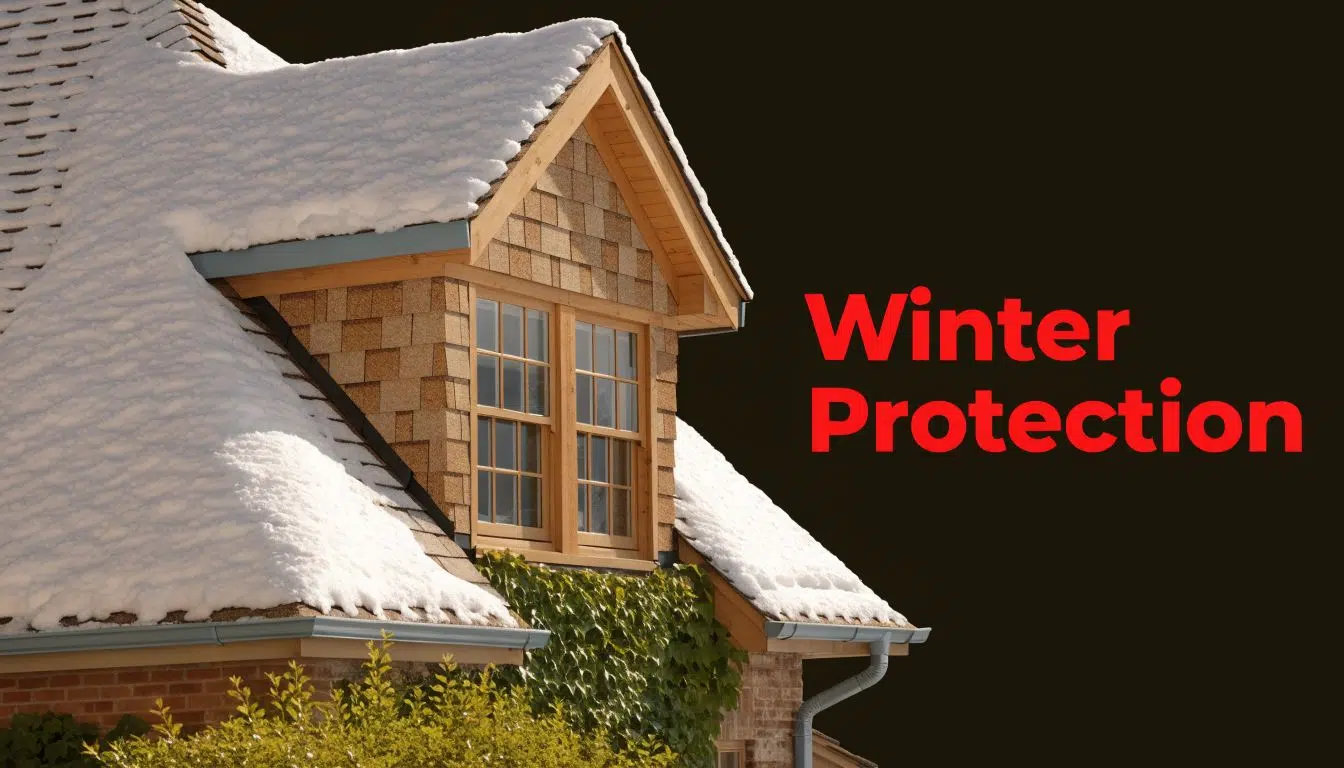
An ice dam forms when roof snow melts and refreezes at the colder eaves. Once that ridge of ice builds up, meltwater can pool behind it and push back under shingles or edge details.
Homeowners often blame only the gutter. Sometimes the gutter is part of it, but attic conditions usually play a role too. Warm attic air, uneven insulation, and poor ventilation contribute to roof surface temperature differences. That’s why the effective fix is usually a combination of better drainage, better airflow, and correcting weak roof-edge details.
Watch for these warning signs:
- Large icicles at the eaves
- Ice buildup above gutters
- Water stains near exterior walls or ceiling edges
- Drafty attic conditions mixed with uneven snow melt patterns
Snow load and rooftop removal
Heavy snow isn’t just a leak issue. On low-slope or flat sections, it can become a weight issue and a drainage issue at the same time. Once drains, scuppers, or edges get blocked by ice and packed snow, water has fewer paths out.
Homeowners shouldn’t hack at ice with metal tools or climb onto a snowy roof with a shovel. That’s how membranes get punctured, shingles get broken, and people get hurt.
If a roof is holding heavy snow, developing edge ice, or showing active leakage, this is the point to bring in trained help. On flat and low-slope buildings especially, professional rooftop snow removal in Chicago winter is a safety decision as much as a maintenance decision.
Winter roof work is rarely about heroics. It’s about reducing load, restoring drainage, and preventing water from getting one course deeper into the system.
What actually helps before winter hits
The most useful winter prep usually happens in fall:
- Clean gutters completely
- Make sure downspouts drain freely
- Check attic insulation for gaps
- Protect ventilation pathways at the eaves
- Address loose flashing and edge issues before freezing weather
Chicago winters expose shortcuts. A roof that looked “fine for now” in October can become an emergency by January.
If your roof is showing signs of wear, leaking after storms, or heading into winter with unresolved problem spots, Expert Super Seal Roofing & Tuckpointing provides inspections, repair, maintenance, and snow-related emergency service for Chicago-area homes and buildings. A straightforward inspection now is usually cheaper than dealing with water damage after the next hard freeze.