
Seeing a leak in a roof that’s barely two years old is SUPER frustrating.
You probably expected it to last decades, not start causing problems this soon, so it can feel like something went seriously wrong.
The truth is, when a newer roof starts leaking, it’s usually not about age at all.
It’s often tied to specific issues like installation mistakes, hidden weak points, or outside damage that didn’t take long to show up.
The good part is that once you understand what’s behind it, fixing the problem becomes a lot more straightforward.
In this post, we’ll give you a quick rundown of the most common reasons why your new roof is leaking after 2 years, and what to do about it.
#1 Poor Installation Or Workmanship Issues
This is easily one of the biggest reasons a new roof starts leaking way too soon.
Roofing isn’t just about laying shingles; it’s a layered system, and if even one part is off, water can sneak in.
Sometimes shingles are nailed incorrectly, either too high, too low, or not secured. Other times, the underlayment (that protective layer beneath the shingles) is rushed or uneven.
Small shortcuts like that don’t show up immediately, but after a year or two of rain and sun, they start to cause problems.
You might also see issues around vents or joints where sealing wasn’t done carefully.
These aren’t always obvious from the outside, which is why leaks can feel like they came out of nowhere.
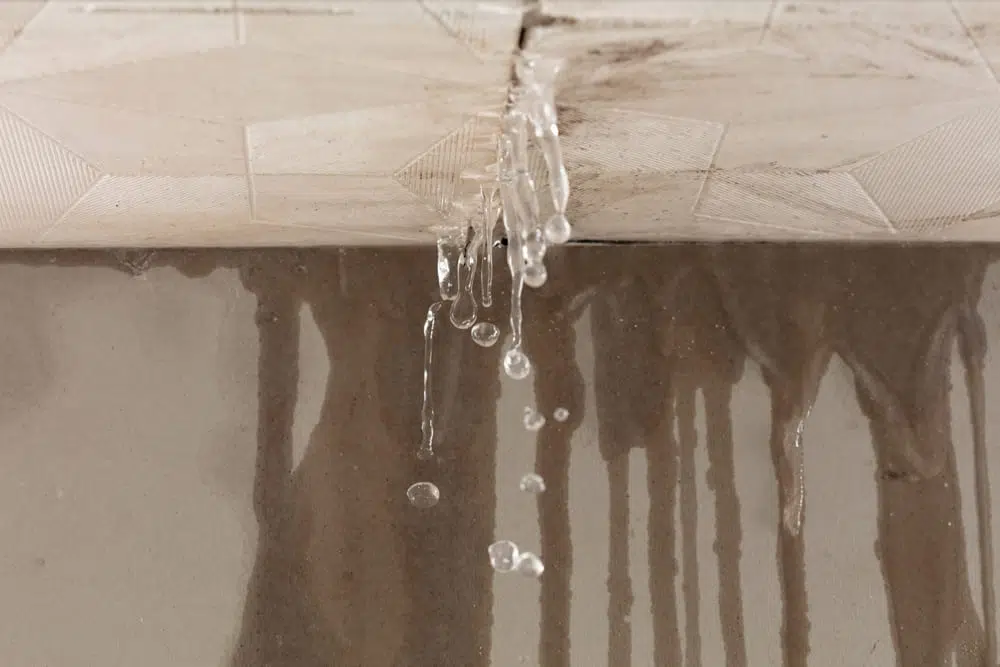
Also Read: Leaking Skylight Problems
#2 Flashing Failures Around Vulnerable Areas
Flashing is the thin metal placed around areas where water is more likely to get in, like chimneys, skylights, and roof valleys.
If flashing is installed poorly, reused from an older roof, or simply not sealed properly, it becomes a weak point.
Water naturally flows toward these areas, so even a small gap can turn into a leak over time.
What makes this tricky is that the rest of the roof can look perfectly fine, while the problem sits quietly around one small section.
#3 Improper Repairs Or Shortcuts During Installation
Not all “new roofs” are done completely from scratch. In some cases, contractors cut corners to save time or money, and those shortcuts show up later.
This can include things like:
- Reusing old flashing instead of installing new pieces
- Installing new shingles over damaged or weak decking
- Skipping necessary prep work
- Using lower-quality materials than promised
At first, everything might look fine.
But as the roof goes through heat, rain, and expansion, those hidden shortcuts start to fail.
#4 Ventilation And Condensation Problems
This one surprises a lot of people because the water isn’t always coming from outside.
Poor attic ventilation can trap heat and moisture, which then turns into condensation.
Over time, that moisture builds up and starts dripping, making it look exactly like a roof leak. You might notice damp insulation, a musty smell, or even mold forming in the attic.
So in some cases, the roof itself is doing its job, but the airflow inside the house isn’t.
Also Read: What Is The Most Expensive Part Of Replacing A Roof?
#5 Gutter And Drainage Issues
Your roof and gutters work together more than you might think. If gutters are clogged or not draining properly, water can back up and sneak under the edge of the roof.
This tends to happen near the eaves, where water should be flowing away but instead gets trapped.
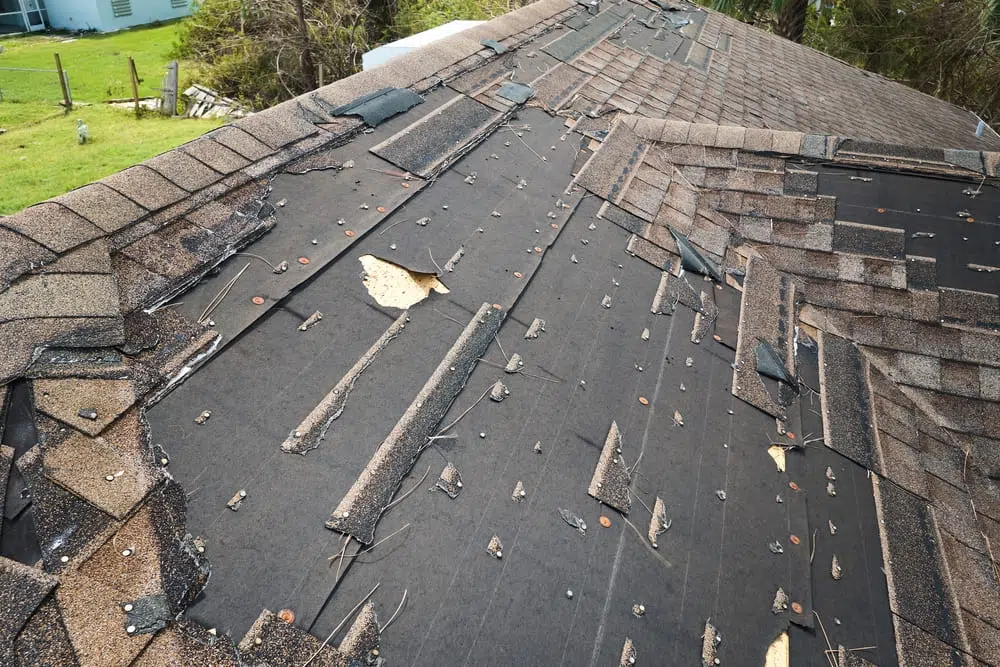
Over time, that constant exposure starts to wear things down.
Here are a few common gutter-related problems:
- Leaves and debris blocking water flow
- Improper slope causing water to pool
- Downspouts not directing water far enough away
- Overflow during heavy rain
It’s a simple issue, but it can cause surprisingly big damage if ignored.
#6 Defective Roofing Materials
Sometimes the issue isn’t the installation, it’s the materials themselves.
While less common, defects do happen.
Shingles can crack, curl, or degrade faster than expected if there was a manufacturing issue. The same goes for membranes or sealants that don’t hold up as they should.
If your roof came with a manufacturer warranty, this is worth looking into. It might cover part, or even all, of the repair costs depending on the situation.
Also Read: Is a 20 Year Old Roof Too Old in Chicago?
#7 Storm Damage Or External Wear
Even a new roof isn’t immune to the weather.
A single strong storm can loosen shingles, lift edges, or push debris into vulnerable spots.
Wind is especially sneaky. It can lift shingles just enough to break the seal, and once that happens, rain has an easy path inside. If you’ve had heavy rain, falling branches, or strong winds recently, that might explain why the leak suddenly appeared.
It doesn’t always look dramatic either.
Sometimes there’s no obvious missing piece, just a subtle shift that lets water in.
Signs Your Leak May Be Serious
Not every leak is a disaster, but some signs suggest it’s more than a small fix. If you notice any of these, it’s worth acting quickly:
- Water stains spreading across ceilings or walls
- Dripping during or after rain
- Mold or mildew smells indoors
- Sagging drywall or bubbling paint
- Damp insulation in the attic
These signs usually mean the issue has been building for a while, even if you just noticed it.
What To Do If Your 2 Year Old Roof Is Leaking
The first instinct might be to call the nearest repair person, but it’s better to take a step back and approach it carefully.
Since the roof is still relatively new, you might have some protection.
Here’s a simple plan:
- Take clear photos of the leak and any visible damage
- Check your roof warranty (both workmanship and materials)
- Contact the original contractor before hiring someone else
- Get a second opinion if the explanation feels unclear
- Avoid delaying repairs, since water damage spreads fast
Also, keep in mind that the leak’s entry point might not be directly above the stain you see. Water travels, so the source could be a bit higher up the roof.
Bottom Line
A roof leaking after just two years usually comes down to workmanship, weak materials, or external damage rather than age.
It might feel like a major failure, but in many cases, it’s a targeted issue that can be fixed once you pinpoint the cause.
The key is not to ignore it or patch it blindly.
Take a closer look, use your warranty if you can, and get a proper inspection.
Catching it early can save you from much bigger repairs later, and get your roof back to doing what it’s supposed to do – keeping everything underneath it dry and protected.