
Labor is almost always the single most expensive part of a Chicago roof replacement, often making up 40-60% of the total bill, with many projects landing near 60%. On a typical Chicago roof replacement averaging $10,185, that puts labor at about $6,111 alone.
If you're staring at two or three estimates and wondering how the same roof can produce very different numbers, you're not asking the wrong question. You're asking the right one. In Chicago, the answer usually starts with labor, but it doesn't end there. Access, disposal, old housing stock, code requirements, and timing can all push a straightforward project into a much different budget than a homeowner expected.
A roof isn't priced like a box appliance. It's closer to a surgical repair on the top of your building. The crew has to remove the old system, inspect what the roof deck is sitting on, install everything in the right sequence, and do it safely on a structure that may be old, steep, awkward, or packed tight between neighboring buildings.
That matters in Chicago more than people think. A bungalow with easy driveway access doesn't behave like a three-flat off an alley with no staging room, brick parapets, overhead wires, and limited dumpster placement. The square footage may look similar on paper. The work doesn't.
Why Chicago Roof Replacement Costs Are So Hard to Predict
Most homeowners don't start this process excited. They start after a leak, after shingles blow off, or after they realize the roof has reached the point where repairs aren't buying much time anymore. Then the estimates come in, and the spread between them can feel irrational.
Part of that confusion comes from how roofing quotes are presented. One contractor gives a lump sum. Another breaks out tear-off, decking, flashing, and ventilation. A third quote seems lower until you notice it says nothing about disposal, permit handling, or what happens if damaged wood is uncovered.
Same roof on paper, different roof in the field
Chicago roofs look simple from the sidewalk. Up close, they're rarely simple.
A contractor has to price what the crew will face on install day, not just what satellite measurements show. That includes roof pitch, the number of stories, chimneys, dormers, valleys, parapet walls, staging space, and whether debris can move efficiently from roof to truck or dumpster. Older Chicago homes add another layer because previous repairs, buried flashing problems, and uneven framing often don't show up until work begins.
That's why the question "What is the most expensive part of replacing a roof in Chicago" has a direct answer but not a one-line explanation. Labor is the largest cost. The reason is that labor carries the complexity of the entire job.
For a more detailed local overview of how pricing is built, this guide on new roof costs in Chicago is a useful companion when you're comparing estimates.
A cheap roofing quote often means one of two things. The contractor left something out, or the contractor plans to make up the difference once the roof is open.
What usually throws budgets off
A roof replacement budget gets shaky when the estimate treats the job like a generic suburban install. In Chicago, the biggest pricing surprises usually come from factors like:
- Tight site access: Crews lose time when they can't place materials close to the house or move debris efficiently.
- Disposal logistics: Alley loading, restricted dumpster placement, and hand-carry tear-off all raise labor intensity.
- Older construction details: Historic trim, masonry interfaces, and layered repairs take more careful work.
- Seasonal demand: When everyone wants a roof at the same time, scheduling gets expensive fast.
If you understand those variables before signing, you'll read estimates very differently.
The Single Biggest Expense in Chicago Roofing Skilled Labor

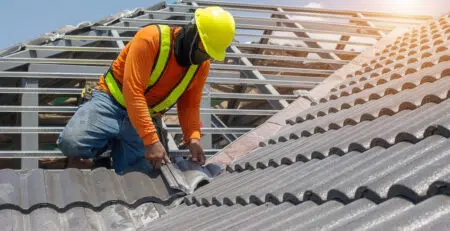
When people hear "labor," they sometimes picture only the visible part. A crew nailing shingles or rolling out membrane. In reality, labor is the largest line item because it's doing nearly all of the technical work that determines whether the roof lasts or fails.
According to GreenAttic's Chicago roof cost breakdown, labor costs represent 40-60% of the total project cost in Chicago roof replacements. For a typical replacement averaging $10,185, that means about $6,111 in labor, and local labor rates run 5-10% above the national average because of stricter local codes.
What you're paying for when you pay for labor
That labor number covers much more than installation. It usually includes the parts of the job that demand judgment, not just effort:
- Tear-off and jobsite protection: Removing old roofing without damaging siding, landscaping, gutters, masonry, or neighboring property.
- Deck inspection: Checking whether the surface underneath is solid enough to receive the new system.
- Underlayment and flashing work: These details are where many leaks start when crews rush.
- Ventilation assessment: A roof can look fine on top and still have moisture or heat problems underneath.
- Final cleanup and inspection: Nails, debris, and unfinished edge details tell you a lot about the standard of the crew.
Chicago labor isn't generic labor
Chicago adds complexity that homeowners don't always see from the ground. Many properties are narrow, tall, old, or attached close to other buildings. Some roofs have steep sections in front and low-slope areas in back. Some have masonry transitions that require a roofer and a tuckpointer to think like one team.
The city environment changes how a crew works. Material loading takes longer. Safety setup matters more. Weather windows can be tighter. Code compliance isn't optional, and experienced contractors build that into the price from the start rather than hoping no one notices.
Practical rule: If one estimate is far below the others, ask exactly what labor includes. Tear-off depth, flashing replacement, ventilation work, cleanup, and deck inspection shouldn't be vague.
Cheap labor is usually expensive later
The least expensive crew on paper can become the most expensive roof you ever buy. That's because labor mistakes don't always show up the same week. They show up when flashing separates around a chimney, when water gets beneath underlayment, or when poor ventilation shortens the life of the whole system.
In practice, skilled labor is what keeps all the other materials working the way they're supposed to. A premium shingle installed poorly still fails like a cheap roof. A properly installed modest system often outperforms an expensive one installed by the wrong crew.
How Your Choice of Roofing Material Impacts the Total Price
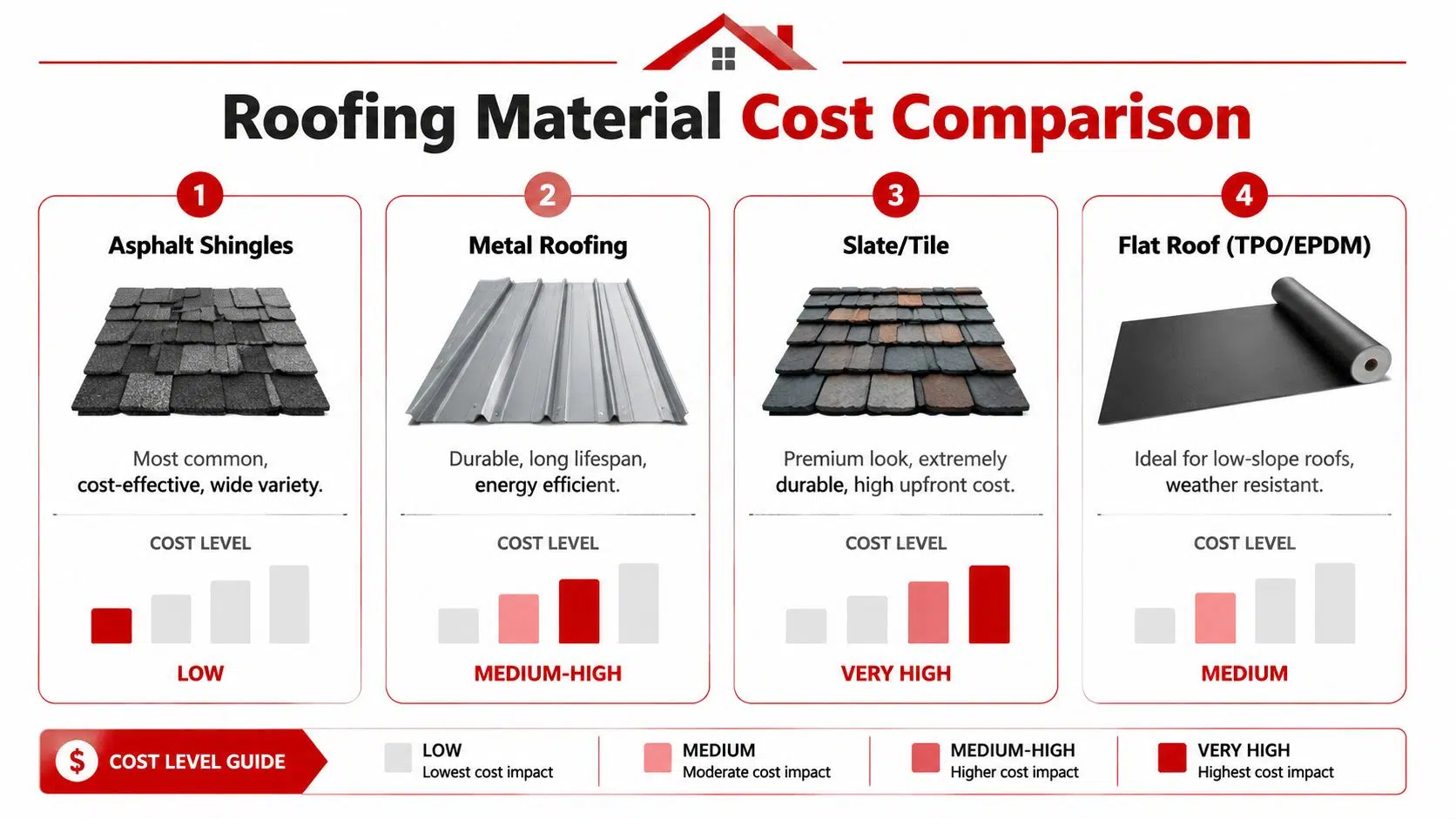
Once labor is understood, materials become the next major decision point. Homeowners have the most control here, and they can make a smart long-term decision or an expensive short-term one.
According to Angi's Chicago roof replacement pricing guide, roofing materials create a 3-8x cost variance. Installed asphalt shingles cost $3.00-$11.00 per square foot, while premium materials such as slate or metal can reach $15-$36.50+ per square foot. On a typical 3,000-square-foot Chicago roof, that can swing material cost from $9,000 to over $100,000 before labor.
Cost is only one part of the choice
Chicago's weather punishes roofs in cycles. Snow, ice, freeze-thaw movement, summer heat, and UV exposure don't care what looked cheapest on estimate day. Material choice should match the roof shape, the building type, and how long you expect to own the property.
A simple way to think about it is this: labor gets the roof on the house correctly, but material selection decides how often you'll be dealing with replacement again.
For owners comparing premium systems with standard shingles, this breakdown of whether metal roofs are more expensive than shingles helps frame the trade-off in plain terms.
2026 Chicago Roofing Material Cost & Lifespan Comparison
| Material Type | Cost per Sq. Ft. (Installed) | Typical Lifespan (Chicago Climate) |
|---|---|---|
| Asphalt shingles | $3.00-$11.00 | 15-30 years |
| Architectural shingles | $10.50-$18.50 | Qualitatively longer-wearing than basic asphalt |
| Metal roofing | $10.50-$18.50 and premium metal can reach $15-$36.50+ | 40-75 years, with some premium systems performing 60+ years |
| Slate, cedar shake, clay tile | $15-$36.50+ | 40-75 years |
What works on different Chicago buildings
Different roof types ask for different materials.
- Asphalt shingles: Best fit for homeowners who want the lowest upfront cost and a familiar residential look.
- Architectural shingles: A middle ground when appearance and durability matter more than bare-minimum price.
- Metal roofing: Often a better fit for owners focused on longevity, snow shedding, and long-term value.
- Low-slope and flat roof systems such as TPO, EPDM, and modified bitumen: Better suited to Chicago's many flat and low-slope roofs on two-flats, three-flats, mixed-use properties, and commercial buildings.
- Slate or tile: Chosen mostly when architecture, historic appearance, or premium longevity justifies a much higher upfront budget.
Buy the material that fits the building and your ownership horizon. Don't buy a premium roof for a short hold unless the building truly needs it, and don't buy the cheapest roof for a long hold if you'll resent replacing it again.
Where homeowners misjudge value
The most common mistake isn't choosing a cheap roof. It's choosing a roof system that doesn't match the building. A steep single-family home and a Chicago flat roof don't have the same material priorities. Neither do a vintage masonry building and a newer suburban home.
Good estimates explain why a contractor is recommending one system over another. If the recommendation starts and ends with "this is what we always use," that's not enough.
Chicago-Specific Factors That Drive Up Your Final Bill

The biggest pricing mistakes happen when a roof is estimated as if it were in a wide-open subdivision. Chicago is not a wide-open subdivision. The city adds friction to roofing work, and friction costs money.
Access changes everything
A truck parked in front of a detached home with room for staging is one kind of project. A roof where the crew has to work through a narrow gangway, protect neighboring structures, hand-carry debris, and coordinate around alley traffic is another.
Those conditions increase labor time and cleanup complexity. They also affect how materials arrive, where tear-off goes, and how efficiently the crew can work without damaging property around the building.
Older Chicago neighborhoods also bring quirks that don't show up on basic measurements:
- Alley limitations: Dumpster placement isn't always simple or even possible in the most convenient location.
- Dense lot lines: Protecting adjacent garages, fences, porches, and neighboring buildings takes more setup.
- Historic details: Masonry interfaces, chimneys, coping, and decorative trim require slower, cleaner work.
- Multi-story layouts: Carrying material and debris up and down taller buildings adds time fast.
Seasonal demand can raise labor costs
Many homeowners assume labor is a fixed percentage. It isn't. Timing matters in Chicago, and the busy season can cost more for the same roof.
According to GM Exteriors' review of Chicago-area roof replacement timing, labor demand in late summer and fall can inflate labor costs by an additional 15-25%. On a typical $14,000 roof replacement, that can mean paying an extra $2,100-$3,500 for the same scope compared with scheduling in the spring off-season.
If your roof isn't actively failing, one of the simplest ways to control cost is to avoid waiting until everyone else calls at once.
Code and building conditions raise the skill requirement
Chicago doesn't just have weather. It has an older building stock, stricter code expectations, and a lot of roofs tied into masonry walls, parapets, chimneys, and drainage details that need real experience.
The quote that looks expensive may be the one that recognizes the building correctly. If a contractor ignores staging challenges, disposal constraints, and code-sensitive details, the estimate may look attractive now and become expensive during the job.
In dense city work, production speed isn't the only measure of competence. Planning matters. Site control matters. Knowing how to replace a roof without creating problems for the brickwork, gutters, neighbors, or interior ceilings matters.
Uncovering Unexpected Costs Decking Joists and Structural Damage
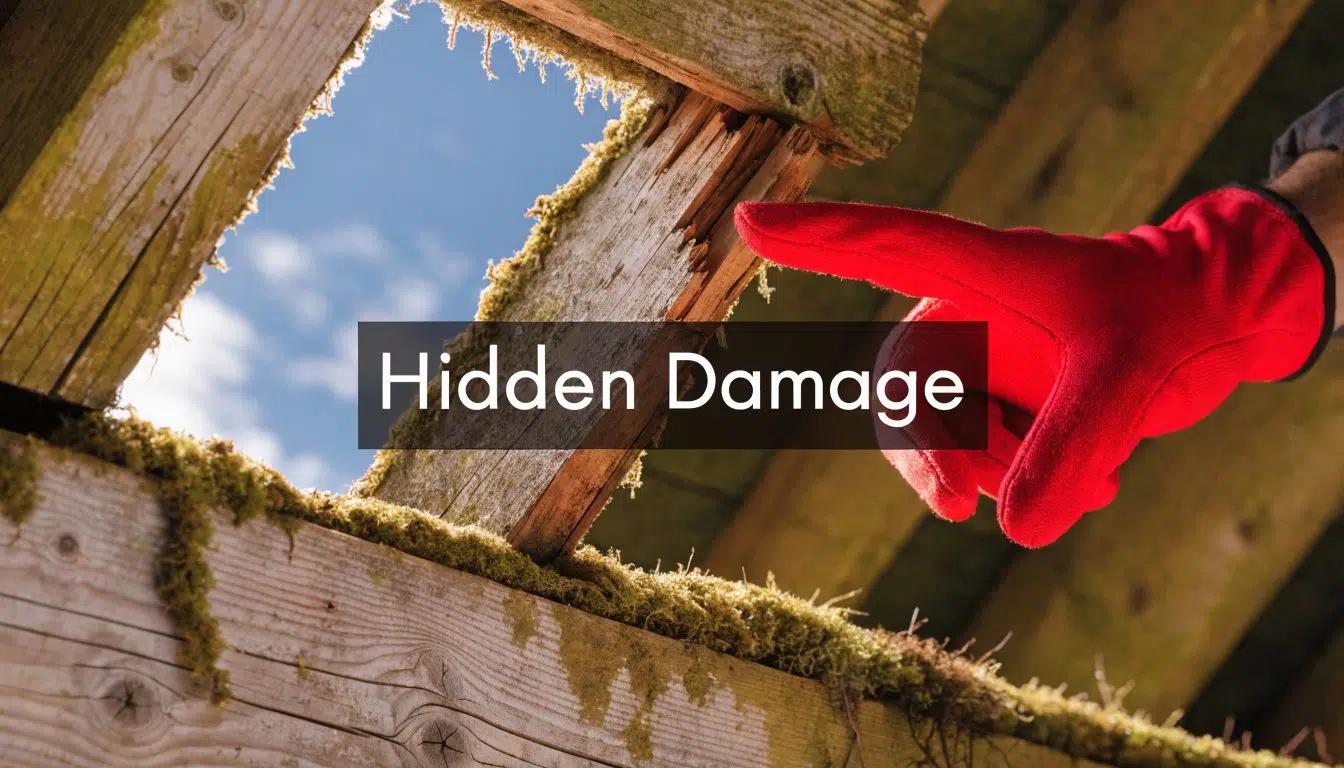
The estimate covers what a contractor can see before tear-off. It can't fully price what no one can see yet.
Unexpected discoveries often blindside homeowners. The old roof comes off, and suddenly the crew finds soft decking, moisture-damaged wood, failing edges, or structural areas that shouldn't receive new roofing until they're corrected. At that point, the choice isn't whether to spend more. The choice is whether to do the roof correctly or bury a problem under new material.
What hidden damage usually looks like before tear-off
You can sometimes spot warning signs before the first shingle is removed. None of these prove structural damage on their own, but they raise suspicion:
- Ceiling stains inside the top floor
- A roofline that looks uneven or wavy
- Soft spots underfoot if the roof is walkable
- Repeated leak repairs in the same area
- Moldy attic smells or visible moisture around the underside of the roof
A careful contractor will mention these risks before work starts instead of pretending every deck is perfect.
Why old homes surprise people
A lot of Chicago homes have lived through multiple repairs, multiple owners, and years of patching around the same trouble areas. Water may have entered around flashing, valleys, skylights, or masonry long before the current leak became visible inside. Wood doesn't announce that damage early. It weakens quietly until the roof is opened.
The most honest answer a contractor can give before tear-off is sometimes "We won't know for sure until the old roof is off."
That isn't a dodge. That's reality.
How to prepare without overreacting
The right move isn't panic. It's planning.
Set aside a contingency amount in your overall roof budget for hidden conditions. The exact need depends on the age and history of the building, but the principle stays the same: don't commit every dollar to the visible scope and assume nothing underneath will need attention.
Also ask in advance how the contractor handles change orders. If damaged decking or structural components appear, you want to know who documents it, who approves it, and how pricing is communicated before extra work proceeds.
Practical Steps to Manage Your Budget and Choose the Right Roofer
A roof replacement gets easier to manage once you stop shopping for the lowest total and start comparing scope, assumptions, and accountability. Good contractors make that possible. Weak ones hide behind vague proposals.
What a solid estimate should include
Ask for itemized proposals. You want to see what is being replaced, not just a final number.
Look for details such as:
- Removal scope: Does the estimate clearly state tear-off of existing materials?
- Deck review: Is there language about inspection of the substrate once the roof is opened?
- Flashing and edge details: Chimneys, walls, valleys, and penetrations should not be treated like afterthoughts.
- Cleanup and disposal: The proposal should explain who handles debris and site protection.
- Warranty language: Material warranty and workmanship warranty are not the same thing.
Questions worth asking before you sign
Some questions tell you more than any brochure.
How do you handle hidden wood damage once tear-off begins?
A direct answer shows whether the company has a process or makes it up on the fly.Who is supervising the crew on install day?
Someone should own quality control, not just sales.Can you provide proof of license and insurance?
In roofing, this is basic protection for the owner.What roof system are you recommending for this building, and why?
The answer should fit the structure, not sound rehearsed.What work is excluded from this estimate?
Exclusions are where unpleasant surprises usually hide.
Compare contractors on clarity, not charm
The best quote isn't always the lowest or the longest. It's usually the one that is most specific, most realistic about risk, and easiest to hold accountable.
If financing is part of the decision, review options early so you can compare the roof you need rather than settling for the roof you can pay for immediately. This page on roof financing options is one example of the kind of practical information worth reviewing before you lock in scope.
For Chicago owners evaluating contractors, one local option is Expert Super Seal Roofing & Tuckpointing, which handles residential, commercial, and masonry-connected roofing work. Whether you consider that company or another one, the same standard applies: clear scope, proof of insurance, local experience, and a defined process for surprises.
A professional estimate should make you feel informed, not pressured.
Frequently Asked Questions About Chicago Roof Replacement Costs
How long does a typical roof replacement take in Chicago
Most residential roof replacements move quickly once work begins, but weather, inspections, access, and hidden repairs can stretch the timeline. Chicago jobs also slow down when crews have to work around tight staging conditions or wait out rain and high winds. Ask for a realistic schedule, not a best-case promise.
Will homeowner's insurance pay for a new roof
Insurance may help when the roof was damaged by a covered event, such as storm-related damage. It usually doesn't pay for a roof that's just old and worn out. The practical move is to document visible damage early and ask both your roofer and your insurance carrier what evidence they need.
Is it cheaper to replace a roof in the winter
Sometimes off-season timing can help pricing, but winter isn't automatically the sweet spot for every roof system or every building. Material handling, temperature limits, snow, and shorter daylight hours can all complicate scheduling. In practice, many owners find the best balance in a slower season when conditions are workable and demand isn't at its peak.
If you're trying to make sense of roof pricing instead of just collecting vague estimates, Expert Super Seal Roofing & Tuckpointing can help you evaluate cost drivers behind your project. A clear inspection, a detailed scope, and an honest conversation about labor, materials, access, and hidden conditions will tell you far more than a low number ever will.