
A lot of Chicago owners start asking this question the same way. A ceiling stain shows up after a hard rain. Ice builds at the eaves in January. A few shingles land in the yard after a windy night off the lake. Then the estimates start coming in, and the spread is wide enough to make anyone wonder what they're really paying for.
That's the fundamental issue behind what is the best roof for your money in Chicago. It isn't just about the cheapest bid. It's about how a roof handles snow load, freeze-thaw cycles, ice dams, hail, and wind, then how those conditions affect repairs, insurance, and replacement timing. A roof that looks cheap on paper can cost more once Chicago weather starts testing it.
Protecting Your Property in the Windy City
A roof in Chicago rarely fails all at once. More often, owners see a pattern first. Water shows up around a chimney after a storm. Ice backs up at the gutter line. Flashing starts pulling loose. On a three-flat, the top-floor tenant mentions a damp spot that only appears after wind-driven rain. On a bungalow, the attic smells musty after a stretch of snow and thaw.
That's why broad national advice doesn't help much here. A steep-roof house in Naperville, a brick two-flat in Lincoln Park, and a low-slope commercial building near O'Hare don't face the same problems, even though they all sit under the same regional weather map. Chicago roofing decisions are local decisions.
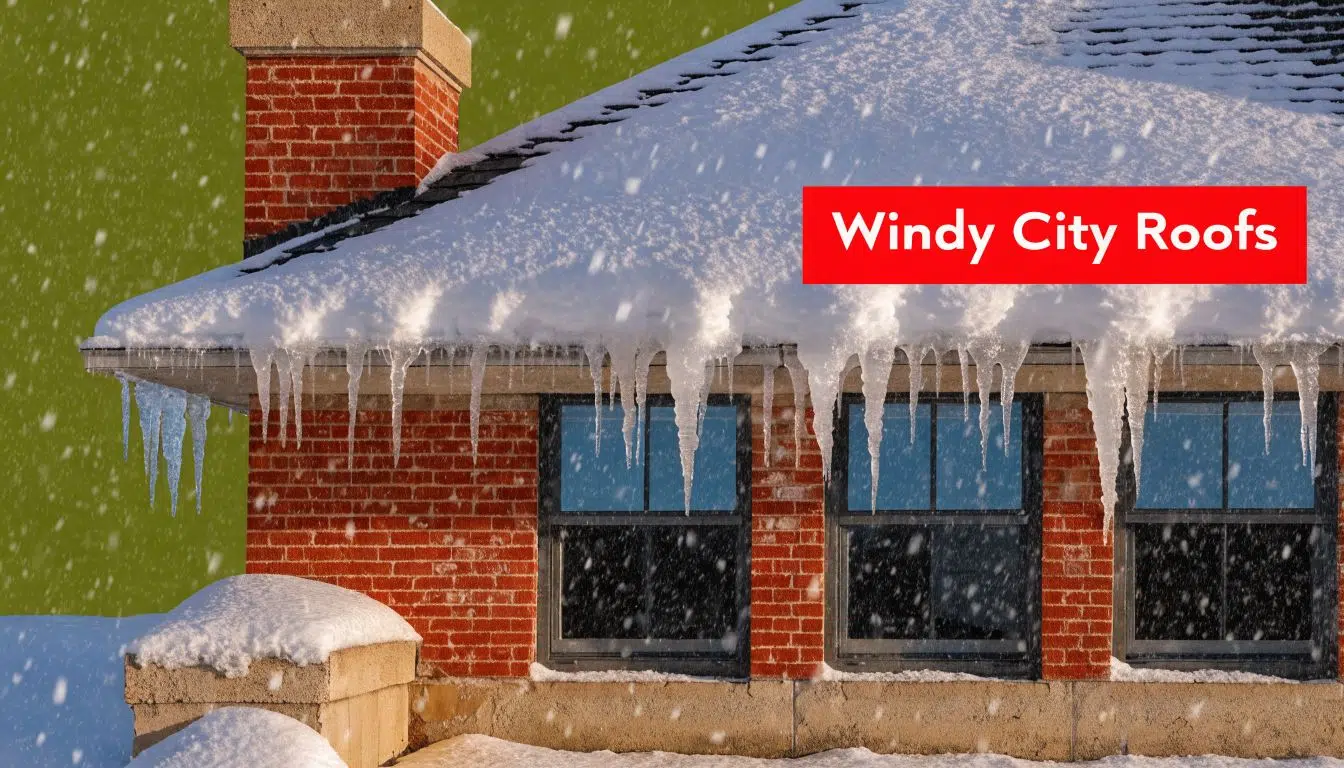
Heavy rain often exposes weaknesses before winter does. If you're already seeing water intrusion, this guide on whether roof leaks in heavy Illinois rain are normal gives helpful context on what's minor and what usually points to a system problem.
What Chicago owners actually need to weigh
The best-value roof usually comes down to a few practical questions:
- How long are you staying: A roof that makes sense for a long-term hold may not be the smartest choice if you expect to sell sooner.
- What shape is the roof: Steep-slope homes and flat or low-slope buildings should not be judged by the same standards.
- Where is the property located: Lakefront wind exposure changes the conversation. So does a shaded block where snow lingers and ice dams form faster.
- How expensive is failure: A leak over a finished attic bedroom is one thing. A leak over multiple occupied units or a commercial interior is another.
Chicago punishes bad roofing details faster than many markets do. The material matters, but the local conditions decide whether that material delivers value.
Decoding Roofing Costs Upfront Price vs Lifetime Value
A Chicago owner gets two roof bids. One is thousands less, so it looks like the easy decision. Then winter hits, ice builds at the eaves, a March windstorm tears off ridge cap, or a hail claim turns into an out-of-pocket expense because the material choice never helped on insurance. That is how a “cheap” roof gets expensive.
The number at the bottom of the proposal matters. It just does not answer the full question. In Chicago, the better comparison is total cost of ownership over the years you expect to keep the property.

What total cost of ownership includes
For Chicago properties, a roof's true value comes from five factors:
- Initial installation cost: The contract price, including tear-off, decking repairs if needed, underlayment, flashing, ventilation work, and disposal.
- Expected service life: How long the system is likely to last under freeze-thaw cycles, summer heat, hail, and hard wind exposure.
- Maintenance and repair needs: Some roofs stay quiet for years. Others need regular attention at seams, penetrations, valleys, and rooftop equipment.
- Insurance effect: Impact-resistant materials can change the math if they lower premiums enough to offset higher installation cost.
- Chicago weather performance: Ice dam protection at eaves, wind ratings for open and lakefront areas, and hail resistance all affect what you will spend after install.
If you're sorting through proposals, this breakdown of new roof costs in Chicago helps put labor, materials, and scope differences in context.
Why lowest bid and best value are rarely the same
I have seen plenty of owners focus on the shingle color, the square-foot price, and the monthly payment, while missing the details that drive cost later. In this market, those details are usually underlayment at the eaves, ventilation, flashing quality, fastening pattern, and whether the material is rated for the wind and hail the building sees.
Ownership timeline matters just as much. A homeowner planning to stay eight to twelve years may get better overall value from a high-grade architectural shingle, especially if it is a Class 4 product that can help on insurance. A long-term owner who wants one replacement cycle instead of two may still come out ahead with metal, even with the higher upfront number.
Existing pricing comparisons for Chicago homes often put asphalt well below metal on day-one cost. They also note that Class 4 impact-resistant shingles can qualify for 20% to 35% premium discounts in Illinois, potentially saving $500 to $1,200 per year, and that over 25 years, a $22,000 asphalt roof with $8,000 in insurance savings can deliver better total cost of ownership than a $35,000 metal roof if the homeowner expects to stay less than 20 years (EcoWatch on Chicago roofing value).
That is why cost-per-square-foot charts only get you so far.
On a bungalow near the lake, I would care a lot about wind resistance and fastening specs. On a shaded home where snow sits longer, I would pay close attention to ice-and-water protection and attic ventilation. On a brick two-flat with a tight insurance budget, I would at least price out impact-resistant shingles and check whether the carrier offers a meaningful discount. Those are Chicago ownership costs, not generic roofing costs.
Practical rule: Compare roofs by your hold time, your exposure, and your likely repair and insurance costs, not just by the install number.
A better way to read estimates
When one proposal comes in much lower than another, ask these questions before signing:
- Is the quote for standard shingles or Class 4 impact-resistant architectural shingles?
- How much ice-and-water membrane is included at eaves, valleys, and problem areas?
- What wind rating is the contractor building to, especially if the property is exposed or near the lake?
- Are upgraded flashing, ventilation, and ridge details included, or are they being priced as extras later?
- Have you checked whether the material choice changes your insurance premium?
- Does the roof system fit how long you plan to own the building?
Owners make better roofing decisions when they price the full life of the system. That is how you avoid paying once for the install and again for preventable repairs, claims, and early replacement.
Chicago's Top Roofing Contenders A Detailed Comparison
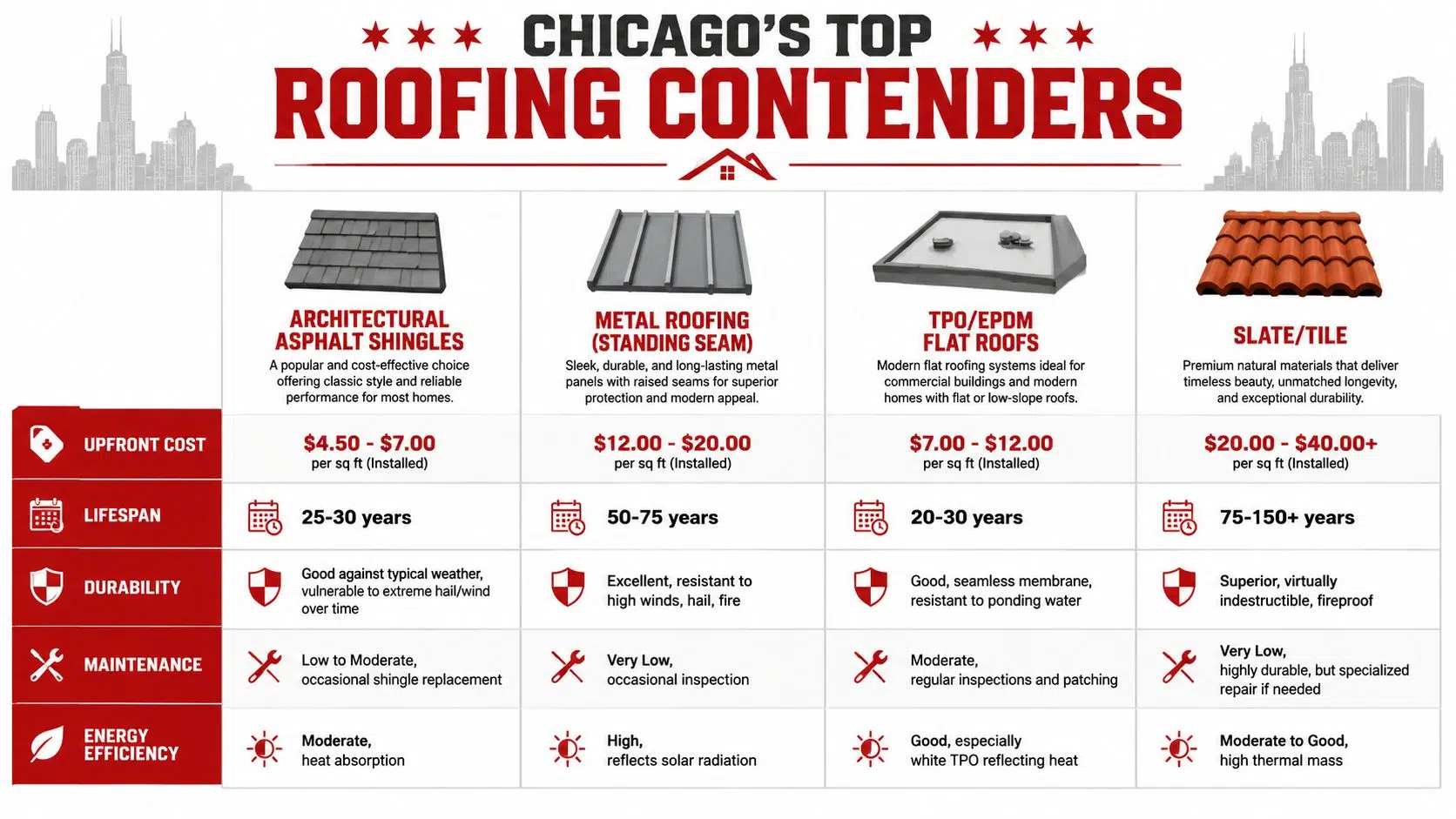
A Chicago owner with three bids in hand can make the wrong choice fast if the comparison starts and ends with price per square foot. A shingle roof on a sheltered bungalow in Portage Park is one decision. A roof on a lakefront home, a six-flat with a flat deck, or a building that has already had ice dam problems is a different one. The material matters, but the total ownership cost in Chicago usually comes down to wind exposure, drainage, insulation and ventilation details, repair access, and how long you plan to keep the property.
For most properties here, the serious contenders are architectural asphalt shingles, metal roofing, and membrane systems such as TPO or EPDM. Slate and tile have their place, but they are specialty choices, not the value leaders for the average owner.
| Material | Upfront Cost (per sq. ft.) | Realistic Lifespan (Chicago) | Best For | Chicago Climate Weakness |
|---|---|---|---|---|
| Architectural asphalt shingles | $5.50 to $7.00 installed | Moderate long-term service life | Most single-family homes needing balanced cost and performance | More vulnerable to repeat replacement over long ownership periods |
| Metal roofing | Higher upfront cost than shingles | Long service life with proper detailing | Owners focused on durability, wind performance, and long ownership | Higher initial buy-in and more sensitivity to installer skill |
| TPO or EPDM flat roofing | Mid-range for flat roofs, depending on assembly | Varies by system, drainage, and maintenance | Multi-unit, commercial, and industrial low-slope roofs | Seams, ponding risk, and penetration details can become leak points |
| Slate or tile | Premium | Long-lasting when structure supports it | Specialty high-end homes | Cost, weight, and repair complexity limit practicality |
If you own a flat or low-slope building, it helps to understand what a membrane roof is before comparing proposals. Flat-roof buying mistakes usually happen when owners use steep-slope assumptions on a membrane system.
Architectural asphalt shingles
Architectural shingles are still the default recommendation for a lot of Chicago houses because they give owners a workable balance of install cost, repairability, appearance, and decent weather performance. On a standard bungalow, Cape Cod, or suburban detached home, they usually make financial sense.
They also fit the local housing stock. Chicago has a huge number of homes where shingles look right, match the neighborhood, and can be repaired without turning a modest roofing job into a custom project.
The catch is long-term ownership. If you expect to replace the roof more than once during your time with the property, the lower upfront price starts to lose some of its advantage. On homes that deal with recurring ice at the eaves, shingles also depend heavily on good attic ventilation, proper underlayment in vulnerable areas, and clean flashing details. Cheap shingle installs fail at the details first, not in the brochure.
Class 4 impact-resistant shingles are worth pricing on some properties. In parts of Chicagoland, they can help reduce hail-related damage exposure, and some carriers may offer insurance discounts. That does not make them automatic. The discount has to be real, and the product still has to be installed correctly.
Best fit for owners who want controlled upfront cost, familiar appearance, and straightforward repairs.
Metal roofing
Metal makes the most sense for owners playing a long game. I usually recommend it when the property is a forever home, a high-value renovation, or a building in a more exposed location where better wind performance is worth paying for up front.
That point matters near the lake. On lakefront and other high-exposure sites, I would pay close attention to tested wind ratings, fastening patterns, trim details, and the contractor's experience with that exact panel system. A metal roof can perform very well in Chicago wind and snow, but only when the installer treats it like a system instead of just a premium-looking product.
Metal also changes the replacement math. You spend more now, but you can avoid another full tear-off later if you stay in the building long enough. Snow shedding, durability, and low routine maintenance all work in its favor. The downside is simple. Plenty of owners sell before they collect the full value, and repairs on a poorly installed metal roof are rarely cheap.
For the right owner, metal is a cost-control decision over decades, not a bargain purchase on day one.
TPO and EPDM for flat roofs
Flat and low-slope buildings need a different conversation. On a two-flat, three-flat, condo building, warehouse, or retail property, the question is not which roof sounds best. It is which system handles drainage, penetrations, foot traffic, service access, and repair work without becoming a leak problem every winter.
TPO is often chosen for newer assemblies and wide open roof areas where owners want a clean membrane system with good reflectivity. EPDM still earns a lot of respect because it has a long track record and can be very serviceable in Chicago when the seams, flashing, edge metal, and drains are done right.
Ownership discipline matters. Membrane roofs are less forgiving of neglected drains, sloppy rooftop work by other trades, and deferred maintenance around penetrations. On occupied multi-unit buildings, one bad drain detail can cost far more than the difference between bids.
If the building has had ice backup at interior drains, ponding water, or repeated patch jobs, I would focus less on membrane brand and more on whether the proposal fixes slope, drainage paths, curb details, and flashing transitions.
Slate and tile
Slate and tile can last a long time, but they are usually architectural decisions, not money decisions. They require the right structure, the right look, and a budget that can handle specialized labor and future repairs.
In Chicago, that narrows the field fast. Freeze-thaw exposure, weight, and repair logistics make these systems a poor fit for many properties, even before cost enters the discussion.
For most owners, the practical shortlist stays much simpler. Shingles for balanced value, metal for long-hold durability, and membrane systems for flat roofs that need disciplined waterproofing rather than steep-slope materials forced onto the wrong building.
The Right Roof for Your Chicago Building Type
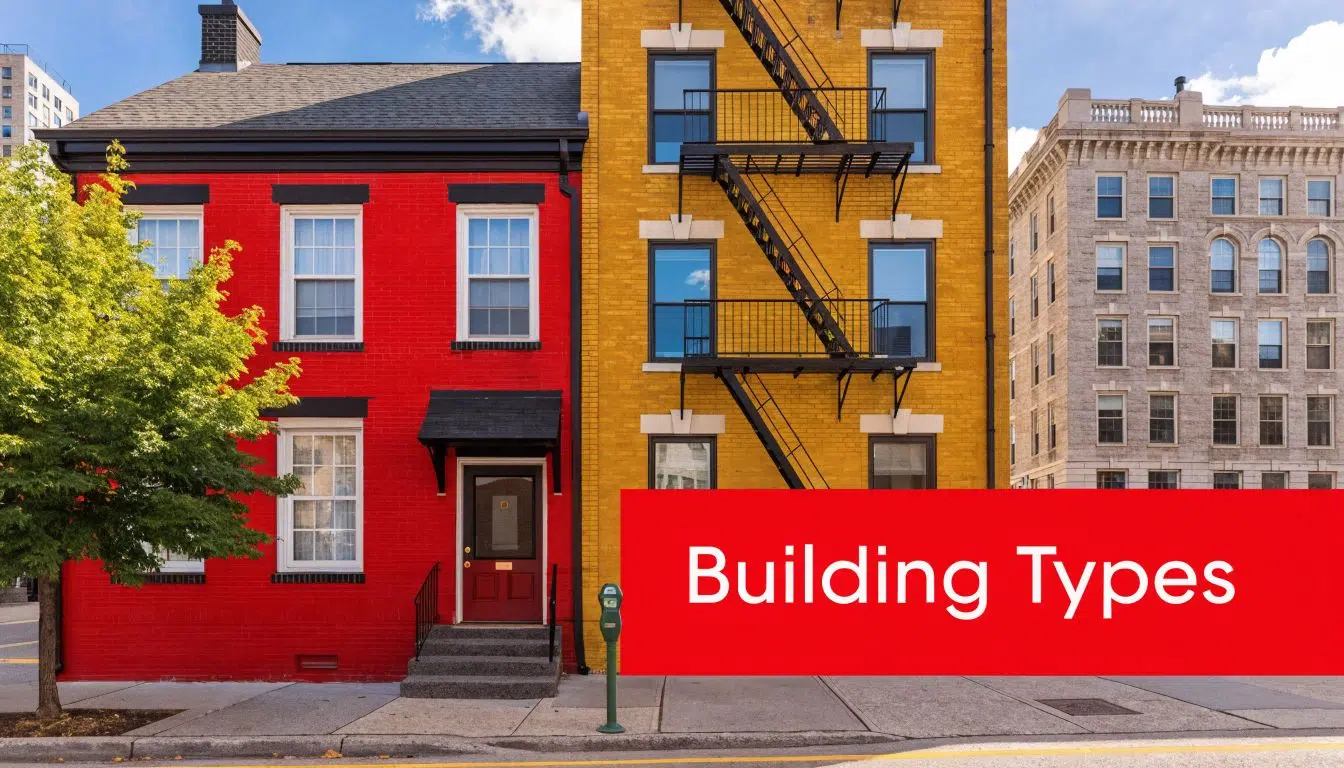
A Chicago bungalow near the lake, a six-flat with a rear flat section, and a warehouse off the expressway should not be shopping the same roof. The material has to match the building, the exposure, and how long you plan to own it. That is how you get the best value, not from a generic price-per-square-foot chart.
For a bungalow or suburban single-family home
For most Chicago-area houses with a standard pitched roof, architectural asphalt shingles are still the practical first choice. They keep the upfront cost in check, repairs are straightforward, and they fit the look of most neighborhoods. That matters if you may sell in the next several years or do not want a roof payment that crowds out other work the house needs.
Metal can still be the right call on a long-hold property. I usually recommend owners seriously consider it if they plan to stay put, want lower maintenance over time, and have a roof shape that benefits from a longer-lasting system. The trade-off is simple. You pay more now to reduce the odds of doing the job again on your watch.
Chicago weather changes the equation. If the house has a history of ice at the eaves, the better investment may be a higher-grade shingle system with proper ice barrier and ventilation work, not a jump to a different surface material. If the property sits in an exposed area or closer to the lake, wind rating matters too. A cheaper shingle that looks fine on paper can become an expensive roof if it starts shedding tabs after a few hard storms.
My rule of thumb is straightforward:
- Choose architectural asphalt shingles for the best balance of upfront cost, appearance, and repairability.
- Choose metal if you are holding the home long term and can justify the higher initial spend.
- Upgrade to higher wind and impact resistance if the home gets hit by lakefront gusts or frequent hail, especially if your carrier offers a discount for impact-resistant products.
For a landlord, HOA, or condo board
Multi-unit buildings need a roof that controls risk across the whole property, not just a roof that wins the bid day. One leak can affect several units, trigger drywall and flooring claims, and create headaches with tenants or owners fast.
That is why I tell boards and landlords to judge roofing choices by consequence as much as price. Steep-slope portions may still pencil out well with good architectural shingles. Rear low-slope sections, garages, and full flat roofs usually need a membrane system that matches the drainage layout and the amount of foot traffic from HVAC techs, electricians, and telecom crews.
A condo board should look hard at four things:
- Leak exposure across units: Water rarely stays in one apartment.
- Drainage and edge details: Parapets, scuppers, interior drains, and flashing details decide how the roof performs.
- Reserve planning: Predictable service life helps avoid special assessments.
- Maintenance discipline: A roof that is easy to inspect and repair usually costs less over time on shared buildings.
Chicago-specific cost of ownership shows up here in a big way. If a building has repeated ice backup near drains, chronic ponding, or high wind exposure on corners and parapets, the wrong roof system will keep charging you long after installation.
For warehouses, retail buildings, and industrial properties
Commercial owners need to think past the membrane name. On large buildings, the best-value roof is the one that protects operations, manages drainage, and holds up around penetrations, rooftop equipment, and regular service traffic.
TPO, EPDM, modified bitumen, and restoration coatings can all make sense depending on the building. The right choice depends on what is already there, how much tear-off is required, how the roof drains, and whether shutdowns or leaks would disrupt tenants, inventory, or production. A lower bid can lose its appeal quickly if the roof needs frequent service calls or allows water in around curbs and transitions.
For lakefront and other exposed commercial sites, I would pay close attention to wind uplift ratings and edge securement. For hail-prone areas, impact resistance can also affect the long-term insurance picture. Those are ownership costs, even though they do not always show up clearly in the first proposal.
The best roof for your building type is the one that fits the structure, handles Chicago weather, and keeps total ownership costs under control.
Beyond Shingles Maximizing Your Roofing Investment
Owners often focus on the visible roof covering and ignore the parts that decide whether that roof performs effectively. In Chicago, the system under the surface matters just as much as the top layer. If the underlayment, ice barrier, ventilation, flashing, and edge details are wrong, even a good material can become a bad investment.
That's especially true with ice dams. Chicago's winter pattern creates repeated freeze-thaw stress at the eaves. Snow melts higher on the roof, refreezes at the colder edge, and starts backing water under the roofing. Once that happens, the material alone won't save you.
The upgrade that pays for itself
For Chicago homes, specifying Class 4 impact-resistant architectural shingles is one of the smartest upgrades available. These shingles survive a 2-inch steel ball drop from 20 feet under the UL 2218 standard, can reduce insurance premiums by 20% to 35%, and when paired with a high-quality ice and water shield compliant with Chicago Residential Code Section R905.1.1, they deliver a typical ROI of 7 to 10 years through durability and rebates (Chicago roofing material guidance with Class 4 shingle data).
That's the kind of Chicago-specific detail many estimates leave out. A contractor may quote “architectural shingles,” but that phrase can cover a wide range of performance. Owners should ask whether they're getting basic architectural shingles or a true Class 4 impact-resistant product.
What works and what doesn't
Some upgrades hold value. Some just add cost.
- Works well: Class 4 shingles in hail-prone areas, especially when paired with superior ice and water protection.
- Works well: Synthetic underlayment and careful flashing at chimneys, valleys, dormers, and wall intersections.
- Often overlooked: Attic ventilation. Poor ventilation traps heat and moisture, which contributes to uneven roof temperatures and worsens ice dam conditions.
- Doesn't work: Paying for a premium shingle while cutting corners on the waterproofing layers below it.
- Doesn't work: Treating ice dams as a gutter problem only. They're usually a roof-system and heat-loss problem.
A roof is not just shingles, panels, or membrane. It's a weather-management system. Chicago exposes every weak link in that system.
Questions worth asking before you sign
Ask your roofer these before approving the job:
- What ice and water protection is included, and where will it be installed?
- Is the shingle impact-rated, or just labeled architectural?
- How are valleys, penetrations, and chimney flashings being handled?
- Will the ventilation setup support the new roof, or is it being left as-is?
Those answers tell you more about future performance than color samples ever will.
Hiring a Roofer You Can Trust in Chicagoland
The material decision matters. The installer matters just as much. A poor crew can turn a good roofing product into a problem roof fast, especially in Chicago where snow, wind, and freeze-thaw cycles test every seam and flashing line.
Owners should treat contractor screening as part of the roofing investment, not as an afterthought.
What to verify before signing
Start with the basics and don't skip them:
- Licensing and insurance: Confirm the company is properly licensed and carries liability and workers' compensation coverage.
- Bonding: A bonded contractor gives you another layer of protection.
- Local experience: Chicago roofing is not the place for a contractor learning on your building.
- Physical presence: A real local office matters when you need service later.
- Written scope: The quote should identify materials, tear-off, flashings, underlayment, cleanup, and warranty terms clearly.
Then look at how they inspect. Good roofers don't just measure. They check ventilation, drainage, transitions, parapet conditions, and signs of hidden moisture entry. They also explain trade-offs plainly instead of selling one material to every customer.
Red flags that cost owners money
These warning signs show up often:
- Vague estimates: If the scope doesn't spell out the system, assume corners may be hidden in the price.
- One-size-fits-all recommendations: Every building is not a shingle roof. Every owner is not a metal buyer.
- Pressure tactics: A contractor who won't give you time to review the proposal is usually selling urgency, not workmanship.
- No discussion of Chicago details: If they don't mention ice barriers, flashing, drainage, or wind exposure, they're not thinking like a local roofer.
A reliable contractor should help you choose the right roof for your building, budget, and ownership timeline. That's how you get real value, not just a low number.
If you want a second opinion from a Chicago contractor that's been doing this since 1972, Expert Super Seal Roofing & Tuckpointing handles residential, commercial, and industrial roofing across Chicagoland. They offer roof replacement, repairs, flat roofing, TPO, EPDM, modified bitumen, metal roofing, emergency service, and straightforward estimates backed by long local experience.