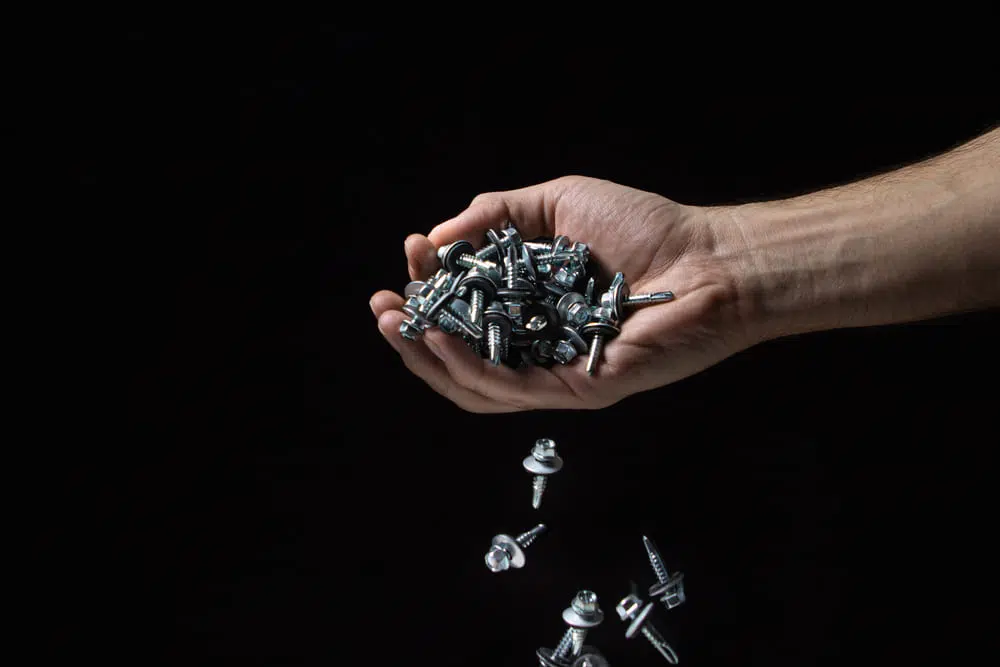
If you own a metal roof long enough, there’s a good chance you’ll eventually deal with loose screws.
It’s one of the most common maintenance issues homeowners run into, especially on older exposed-fastener metal roofs.
At first, it might seem like no big deal. Then you notice a small leak after heavy rain, or maybe you spot rust around a few fasteners, and suddenly you’re wondering how expensive this repair is going to get.
The good news is that replacing roof screws is usually a lot cheaper than replacing the roof.
In this post, we’ll break down how much it costs to replace screws on metal roofs.
Average Cost To Replace Screws On A Metal Roof
For most homeowners, metal roof screw replacement costs land somewhere between $150 and $4,000.
That’s a pretty wide range, but the size of the repair makes a huge difference.
If a roofer only needs to replace a few damaged screws around a leak, the repair may cost a couple hundred bucks. But a full re-screw job on an older metal roof can turn into a much bigger project since there may be thousands of screws involved.
Here’s a rough idea of common price ranges:
- Small repair with a few replacement screws: $150 to $600
- Moderate repair on problem sections: $600 to $1,500
- Full screw replacement across the roof: $1,500 to $4,000+
Labor is usually the biggest part of the bill. The screws themselves are inexpensive, but removing old fasteners and installing new ones takes time.
Roofers also inspect for stripped holes, rust, damaged panels, and failed washers during the process.
Also Read: Ridge Vent Leaking
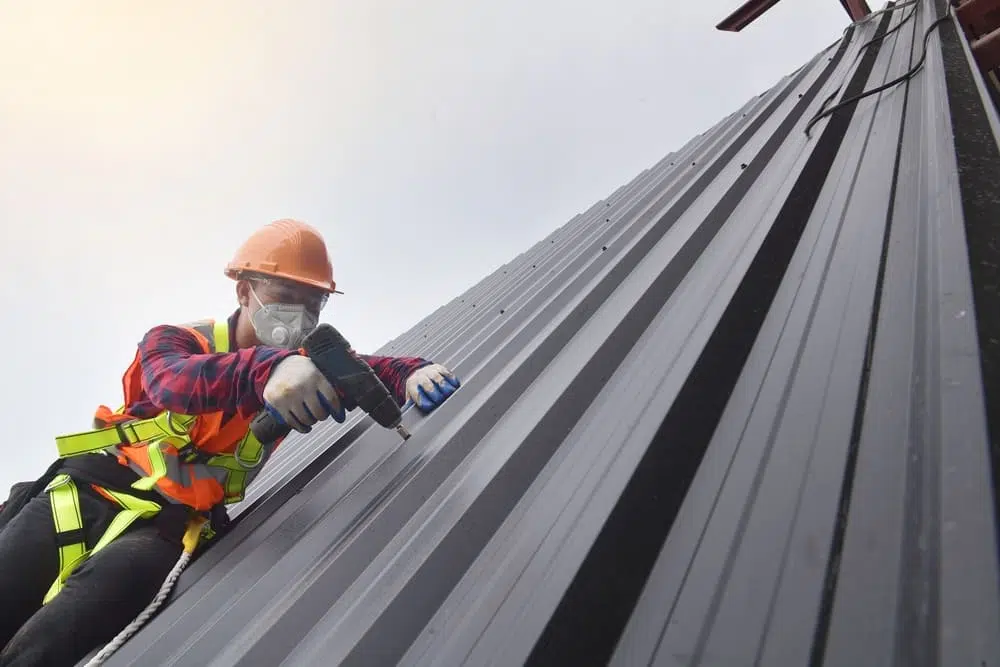
Factors That Affect Metal Roof Screw Replacement Costs
Here are some of the main factors that affect how much to replace screws on metal roof:
#1 Roof Size
Bigger roofs need more screws and more labor.
A small garage roof may only have a few hundred screws, while a large home can have several thousand. Every single screw has to be checked, removed, and replaced carefully.
That takes time, especially if many of the old screws are stripped or rusted in place.
Larger roofs also need more materials and usually require a bigger crew to finish the job in a reasonable amount of time.
#2 Roof Pitch And Accessibility
Steep roofs almost always cost more to repair. They’re harder to walk on, require extra safety equipment, and slow the whole process down.
Accessibility matters too. A simple one-story ranch home is much easier to work on than a tall two-story house with landscaping, fences, or tight spaces around the property.
If roofers need special equipment or extra setup time, the labor costs will reflect that.
Even weather conditions can affect pricing.
Metal roofs get slippery fast, especially early in the morning or after rain.
Also Read: Roofing Options For Low Slope Roofs
#3 Condition Of Existing Screws
Sometimes replacing screws is quick and easy. Other times it turns into a headache.
Old screws may be rusted, broken, stripped, or pulled completely loose from the decking underneath. In some cases, roofers need to install oversized screws to grip properly again.
If the holes are damaged badly enough, sections of the roof panel may need additional repairs.
Dry, cracked rubber washers are another common problem. Once those washers fail, water can sneak underneath the fasteners and create leaks inside the home.
The worse the existing condition, the more labor the project usually requires.
#4 Type Of Metal Roof
Not all metal roofs use the same fastening system.
Exposed-fastener metal roofs are the ones you usually see with visible screws across the panels. These roofs need screw maintenance over time because expansion and contraction can slowly loosen the fasteners.
Standing seam metal roofs are different. The fasteners are hidden underneath the panels, so screw issues are less common.
Repairs on these systems may cost more because accessing the fasteners can be more complicated.
The type of metal also matters. Steel, aluminum, and copper roofing systems can have different repair requirements and hardware costs.
#5 Regional Labor Rates
Roofing prices change a lot depending on where you live.
Labor costs in major cities tend to run much higher than small rural areas.
Demand also affects pricing. If roofing companies are extremely busy after storms or during peak season, repair costs can increase simply because contractors are booked out for weeks.
That’s why it’s smart to get a few estimates instead of hiring the first company you call.
Should You Replace A Few Screws Or All Of Them?
If you only have one or two loose screws causing a small leak, spot repairs may be enough.
A roofer can replace the damaged fasteners and seal the area pretty quickly.
But if the roof is older and screws are failing all across the surface, replacing only a few may not make much sense. You could fix one leak today and another one next month.
That’s why many contractors recommend full screw replacement on aging exposed-fastener roofs. It gives the roof a fresh set of fasteners and washers, which can extend the life of the roof significantly.
Here are a few signs a full re-screw may be the better option:
- Large numbers of loose screws
- Multiple leaks around the roof
- Cracked or dried-out washers
- Rust forming around fasteners
- Roof age over 15 to 20 years
A good roofer should inspect the entire roof before recommending the best route. Sometimes a simple repair is perfectly fine.
Can You Replace Metal Roof Screws Yourself?
Technically, yes. Some homeowners replace a few screws on their own, especially if the roof is low and easy to access.
The actual process isn’t super complicated. You remove the old screw, install a new roofing screw with a fresh washer, and make sure it’s tightened properly.
Also Read: Do I Need A Permit To Replace My Roof Myself?
The tricky part is doing it correctly without causing more damage.
Overtightening screws can crush the washer and create leaks. Under-tightening leaves gaps where water can get in. Walking on metal roofing panels also takes some care since it’s easy to slip or dent the panels.
For a few obvious problem screws, DIY repairs may work fine if you’re comfortable on a ladder.
But for larger repairs or full roof re-screwing, hiring a professional is usually the safer move.
Signs Your Metal Roof Screws Need Replacing
Metal roof screws don’t last forever. Over time, weather and temperature changes slowly wear them out.
Here are some common warning signs to watch for:
- Screws sticking up above the metal panels
- Water stains on ceilings or walls
- Missing screws
- Rust around fasteners
- Cracked rubber washers
- Loose or rattling panels during windstorms
- Small leaks after heavy rain
If you notice any of these issues, it’s smart to have the roof inspected before the damage spreads. Small leaks can turn into expensive repairs surprisingly fast.
Bottom Line
Replacing screws on a metal roof can cost anywhere from $150 to $4000, depending on the size and condition of the roof.
Small repairs are usually affordable, but older roofs with widespread fastener problems may need a full re-screw job.
Loose screws and failed washers might seem minor at first, but they can eventually lead to leaks, rust, and water damage inside the home. A quick inspection and timely repairs can help your metal roof last many more years without major headaches.