Yes, you can often install a metal roof over shingles, and doing it that way can save about 25-30% on labor costs when the tear-off is skipped. But it only works when the existing roof is in good shape, there’s just one shingle layer, and local Chicago-area code allows the overlay.
That’s the situation a lot of homeowners end up in. The shingles are aging, the roof still looks mostly intact from the street, and you’re trying to decide whether it makes sense to upgrade to metal without turning the house into a full demolition project for a week.
The short version is simple. A metal roof overlay can be a smart move. It can also be the wrong move if the deck is tired, the shingles are uneven, or the installer treats it like a shortcut instead of a system. In Chicago, that distinction matters more because snow load, freeze-thaw movement, wind exposure, and ice dams punish bad roofing work fast.
The Question Every Homeowner Asks
A homeowner usually asks this when their asphalt roof is near the end and they don’t want to pay for work that might be avoidable. They’ve heard metal lasts longer, looks cleaner, and handles weather better. Then the practical question comes out: can you install a metal roof over shingles, or does everything need to come off first?
The honest answer is yes, sometimes. Not automatically.
On a Chicago home, I’d treat this less like picking a roofing material and more like deciding whether the current roof is a solid base or a problem hiding under granules and nails. If the shingles are lying flat, staying attached, and the roof deck underneath is still sound, an overlay may be on the table. If there’s sagging, soft decking, multiple roofing layers, or signs of trapped moisture, the conversation shifts quickly toward tear-off.
What homeowners are really deciding
Many homeowners think they’re deciding between shingle and metal. They’re deciding between saving money now and seeing everything underneath before committing to a long-life roof.
That matters because a metal roof is a long-term material. If you’re putting something on the house that may last for decades, the structure under it needs to be worth preserving.
Practical rule: A metal overlay works best when the old roof is boring. Flat, stable, dry, and uneventful is what you want.
The Chicago part people miss
A lot of generic roofing articles act like every climate behaves the same. Chicago roofs don’t. Winter snow sits. Ice dams form at the eaves. Humid summer air and big temperature swings create movement and condensation risks that punish sloppy installations.
Before anyone talks panel profiles, colors, or trim details, a contractor should answer a few basic questions:
- How many roof layers are already there? One existing shingle layer is a very different situation than two.
- What shape is the deck in? A roof can look decent outside and still have weak spots below.
- Will the municipality allow it? Code is not optional.
- How will the assembly breathe? If moisture gets trapped, the problem won’t announce itself right away.
That’s why this isn’t a simple yes or no. It’s a field decision based on structure, code, and how the roof will behave through a Chicago winter.
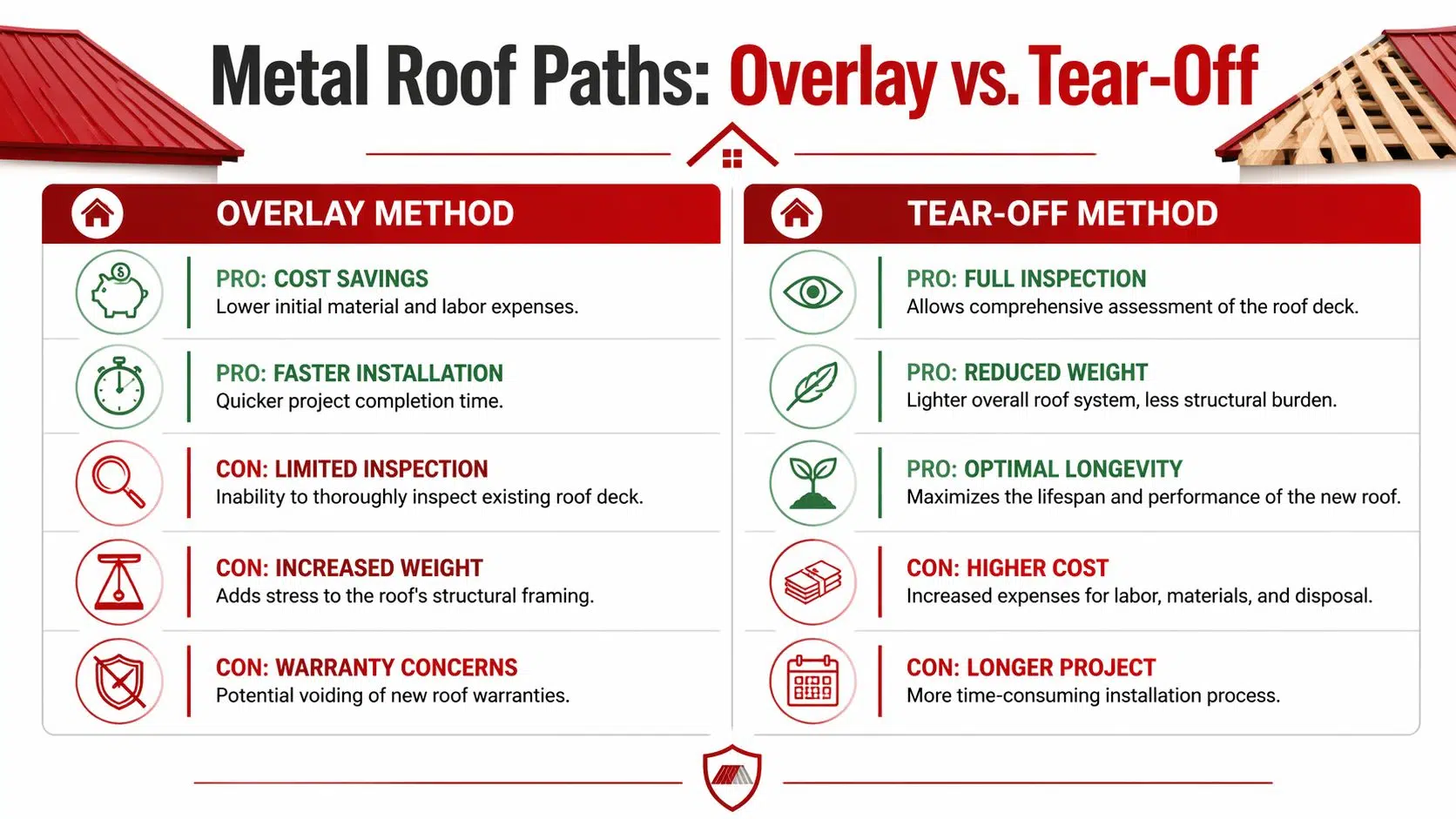
Overlay vs Tear-Off The Two Paths for Metal Roofing
There are really only two ways to approach this job. You either install the metal roof over the existing shingles, or you strip the old roof down and rebuild from the deck up.
What an overlay actually is
An overlay means the old asphalt shingles stay in place and the new metal roofing system goes over them. The main appeal is cost and speed. Skipping removal of the old roof can save homeowners approximately 25-30% on labor costs, because the crew avoids tear-off and disposal work, as noted by DLV Roofing’s overview of metal roofing over shingles.
It’s a lot like remodeling over a surface that’s still serviceable. If the base is straight, dry, and secure, you can build on it. If the base is failing, you’re only covering trouble.
What a tear-off gives you
A tear-off means the shingles come off first. Then the contractor can inspect the deck directly, replace bad wood, flatten problem areas, install fresh underlayment, and build the metal roof on a clean foundation.
That route costs more and takes longer, but it gives you the one thing an overlay never can: full visibility into what’s under the roof.
Here’s the side-by-side difference homeowners should focus on:
| Path | Best advantage | Main drawback |
|---|---|---|
| Overlay | Lower upfront labor cost and less disruption | You don’t fully expose the deck |
| Tear-off | Full inspection and cleaner starting point | Higher labor and disposal cost |
Why overlays are popular
Homeowners aren’t wrong to consider them. Tear-off is messy. Dumpster space, haul-away, exposed decking, weather timing, and labor all add up. If the existing roof is still structurally acceptable, avoiding that phase can make a metal upgrade much more realistic.
But cheaper isn’t the same as better. It’s just a different path.
If your roof has hidden trouble, an overlay saves money on day one and can cost much more later.
The better analogy
An overlay is like installing a new floor over one that’s still solid and level. A tear-off is like pulling everything back to the subfloor before you rebuild. Both can be right. The condition underneath decides which one makes sense.
If a contractor treats those two paths as interchangeable, that’s a red flag. They aren’t.
When a Roof Overlay Is Allowed
Before anyone orders metal panels, there are two gates to clear. Code compliance and structural condition. If either one fails, the overlay shouldn’t happen.
Start with the code, not the material
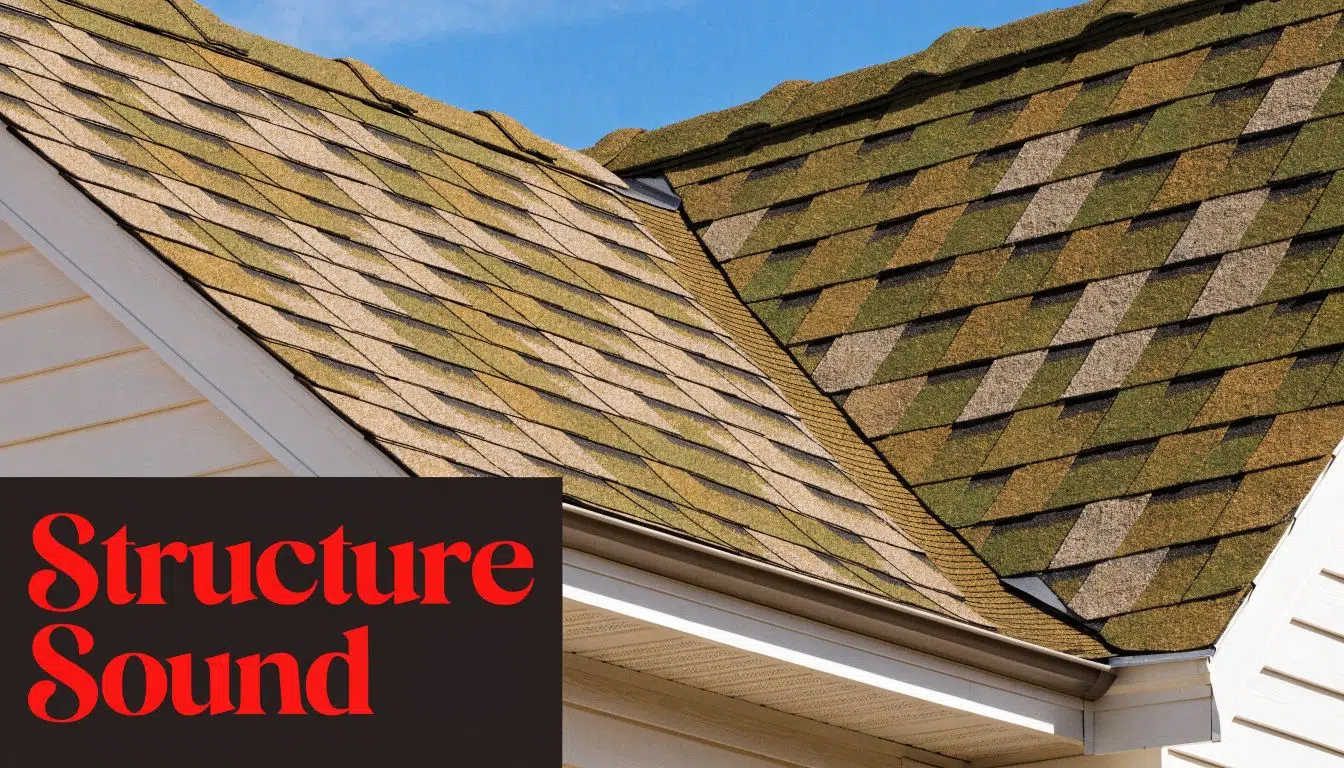
Many homeowners assume that if metal is lightweight, code won’t be an issue. That’s not how inspectors look at it. Roofing layers matter. According to Murray Roofing’s guidance on installing metal roofing over shingles, most building codes permit only one layer of metal roofing over existing shingles, with total roof layers typically limited to two maximum.
That means one layer of shingles plus one metal overlay may be acceptable. Two old shingle layers with new metal on top usually puts you in the wrong category fast.
For Chicago-area properties, don’t guess. City rules, suburb rules, and permit enforcement can vary. A contractor should verify what applies before material is delivered, not after the truck shows up.
The roof has to earn the overlay
Even if code allows it, the roof still has to qualify physically.
A contractor should inspect for:
- Deck integrity: Soft spots, rot, or sagging mean the base isn’t trustworthy.
- Shingle condition: Curling tabs, missing areas, or major ridges telegraph through the new roof and make installation harder.
- Single-layer status: If there’s already more than one layer, the overlay argument gets much weaker.
- Attachment strength: The new system still needs secure fastening into framing where required.
If you’re not sure whether your current roof is already showing failure, this guide to signs you need a new roof can help you spot the kind of issues that usually push a project toward tear-off instead.
Older Chicago homes need a harder look
This is where local experience matters. A lot of Chicagoland homes were built long before modern metal retrofit systems became common. Some have framing that’s perfectly fine. Some have had decades of patching, vent changes, added layers, and hidden moisture around chimneys and valleys.
A roof can pass the curb-view test and still fail the overlay test.
For multi-unit buildings, rentals, and commercial properties, the stakes get even higher. If the installation exceeds layer limits or ignores local requirements, you can run into inspection problems, liability issues, and insurance trouble.
A simple pass or fail checklist
An overlay is usually a candidate when:
- There’s one existing layer
- The deck is sound
- The shingles are relatively flat and secure
- Local code allows the assembly
A tear-off is the better call when:
- The roof has multiple layers
- The deck condition is unknown or suspicious
- The roof line shows waviness or sagging
- Permit or code compliance is uncertain
That’s the part homeowners should remember. “Can it be done” is not the same question as “should this roof get it.”
The Right Way to Install a Metal Roof Over Shingles
There’s a clean way to do this and a shortcut way. The shortcut is what causes the horror stories.
What goes wrong on bad installs
The main risk isn’t that metal somehow can’t sit over shingles. The actual risk is moisture trapping and surface irregularity.
When panels are attached without the right separation layer, the old shingles can hold moisture beneath the metal. Seasonal expansion and contraction also create rubbing and wear where materials contact each other. Over time, that can damage both the old roof and the new one.
According to McElroy Metal’s installation guidance for metal-over-shingle assemblies, direct attachment of metal panels to shingles requires a moisture barrier such as synthetic underlayment, and the purlin or batten method is the stronger approach because it creates a ventilation cavity. That ventilation helps prevent moisture problems that could otherwise cut roof deck service life by 40-60%.
What a proper assembly includes
A professional overlay should look like a system, not a stack of materials.
Key pieces usually include:
- A full inspection first: The installer checks the deck, not just the shingles.
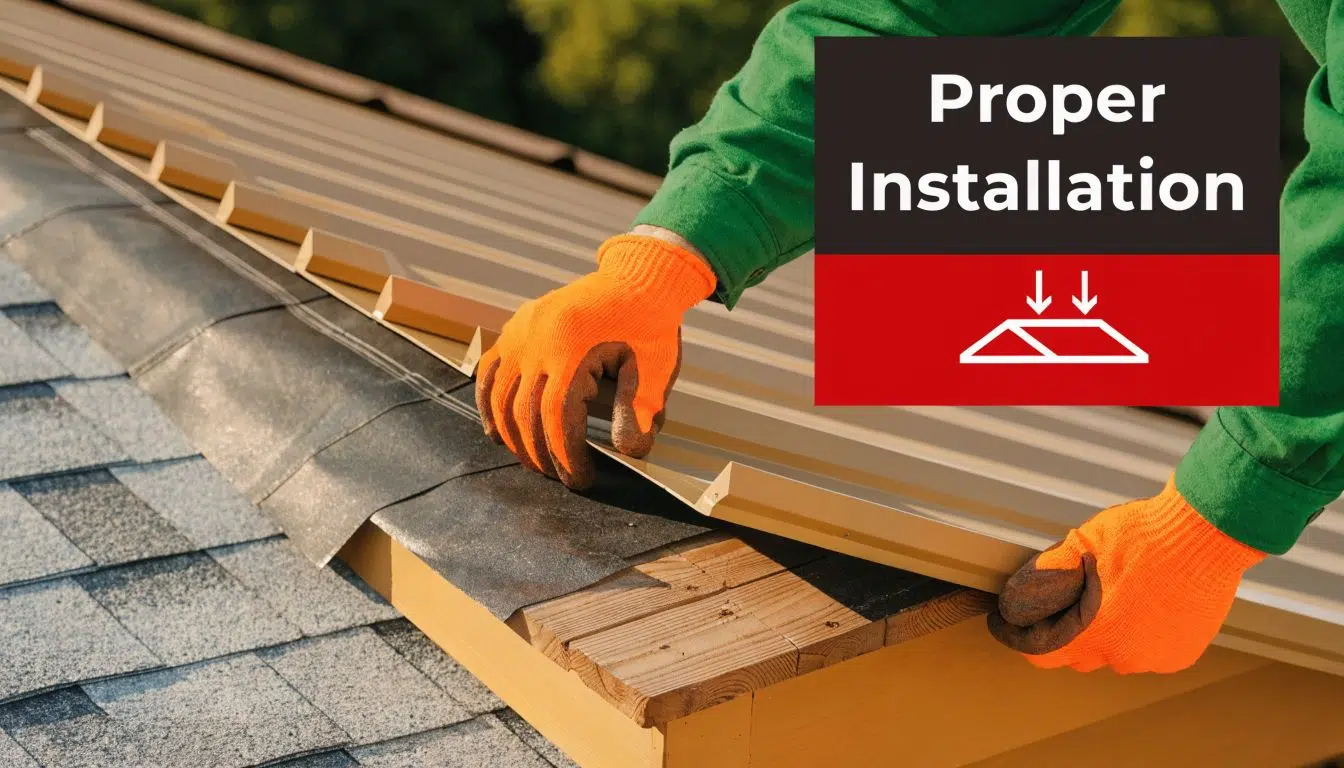
- A barrier layer: Synthetic underlayment, #30 felt, or another approved separator goes between the old roof and the metal where applicable.
- Purlins or battens: These create an air space and a flatter fastening plane.
- Correct fastener placement: Fasteners need to hit the right structural points.
- Flashing details: Valleys, chimneys, vents, skylights, and sidewalls need careful treatment.
Why battens matter in Chicago
Battens or furring strips do more than make panel installation easier. They help solve two common overlay problems at once.
First, they create space for air movement. That helps with condensation control. Second, they flatten the install surface so the metal roof doesn’t telegraph every lump and dip in the shingles below.
That matters in a climate where warm indoor air, cold exterior temperatures, and snow-covered roof surfaces can all exist at the same time.
Field advice: If someone wants to screw metal panels straight over rough shingles without talking about ventilation, underlayment, and fastening layout, stop the conversation there.
The sequence should make sense
A homeowner doesn’t need to know every shop detail, but you should hear a logical install plan. It should sound something like this:
- Inspect the roof and verify the deck is sound
- Confirm code and permit requirements
- Prepare the surface and address any problem areas
- Install the barrier layer
- Set battens or purlins if the system calls for them
- Install panels, trim, and flashing in the correct order
- Finish penetrations and ridge details carefully
If the estimate is light on these details, ask questions. A metal roof can last a very long time, but only if the assembly under it supports that lifespan.
Weighing the Long-Term Performance and Risks
The upfront savings need to compete with the long view. A metal roof can be an excellent investment. An overlay can also reduce some of the certainty you’d normally want with that investment.
What you gain
The strongest reason homeowners move to metal is durability. Metal roofs can deliver a 50+ year lifespan, and they can also reduce cooling costs by 10-25%, as noted in CMB Roofing’s discussion of metal roofs installed over shingles.
That changes the conversation compared with asphalt. You’re not just replacing a worn surface. You’re potentially moving to a roofing system designed to stay on the house for decades.
There are practical ownership benefits too:
- Less replacement cycling: You’re less likely to revisit full replacement as often.
- Better summer performance: Reflective metal handles solar exposure better than dark shingles.
- A cleaner look: Many homeowners want the crisp lines and updated appearance.
What can undermine those benefits
Overlay installations carry a long-term catch that many estimates barely mention. Many manufacturers won’t warranty an overlay installation according to the same CMB Roofing analysis.
That doesn’t mean every overlay is bad. It does mean you need to know exactly what is and isn’t covered before you sign anything.
If the manufacturer declines warranty coverage and the system later has problems tied to the assembly, the homeowner may be left relying only on contractor workmanship coverage. That’s a very different risk profile.
The best-looking estimate on paper can be the weakest one if it leaves warranty terms vague.
How to think about total ownership
Homeowners often compare only the first invoice. That’s too narrow. A better comparison looks at the roof over its useful life.
Ask these questions:
| Question | Why it matters |
|---|---|
| Will the manufacturer warranty this exact assembly? | Warranty exclusions can change the value of the whole project |
| Is the deck condition known or assumed? | Hidden wood damage can erase early savings |
| How will moisture be managed long term? | Condensation problems don’t usually show up right away |
| Would a tear-off give a cleaner starting point? | Sometimes paying more now reduces future uncertainty |
If you’re comparing budgets, this breakdown of whether metal roofs are more expensive than shingles gives useful context on how the material decision affects the full project.
The balanced conclusion
An overlay can still be the right call when the roof qualifies, the installer uses the correct assembly, and the warranty picture is clear. But if you want the most predictable long-term outcome, full tear-off usually gives you fewer unknowns.
That’s the trade-off in plain language. Overlay lowers the pain up front. Tear-off lowers the uncertainty underneath.
Chicago-Specific Advice for Your Metal Roof Project
The Midwest changes this decision. A roofing method that performs fine in a mild climate can struggle here if the details are sloppy.
Snow, ice, and movement are the real test
Chicago roofs deal with freeze-thaw cycles, heavy snow loads, humidity, and ice dam risk. According to Mid Michigan Metal Sales on metal roofing over old roofs, those conditions make professional assessment critical, and they make proper ventilation especially important on an overlay.
That means a Chicago overlay should never be treated like a generic “lay metal over shingles and move on” job. The added weight has to be checked against local code and the existing structure. The ventilation plan has to be thought through. Eave details and drainage matter because ice dams don’t care what the estimate looked like.
What homeowners should do before signing
Don’t start with color charts. Start with the hard questions.
- Ask about permits: The contractor should know how your municipality handles overlay approvals.
- Ask how they verify deck condition: “It looks fine” isn’t enough.
- Ask how they manage moisture: You want to hear underlayment, ventilation cavity, battens or purlins where appropriate, and flashing details.
- Ask about winter behavior: Ice dam prevention and snow load aren’t side topics in Chicagoland.
If you’re budgeting for the project, this guide on how much a new roof costs in Chicago can help frame the conversation before you request estimates.
The local bottom line
If your roof is flat, sound, single-layered, and code-compliant, a metal overlay can make sense in Chicago. If the roof is questionable, older, layered, or showing signs of hidden moisture, tear-off is usually the safer path.
The right answer comes from inspection, not optimism.
If you want a clear recommendation based on your actual roof, Expert Super Seal Roofing & Tuckpointing can inspect the structure, explain whether an overlay is code-compliant in your area, and give you an honest scope for either option. For Chicago homeowners and property managers, that kind of local, no-shortcuts assessment is what keeps a roofing project from turning into a repair project later.