TL;DR: Repointing is the structural repair process of removing failed mortar and replacing it with new mortar, while tuckpointing is the aesthetic craft of creating fine, decorative joints over a sound base. In modern Chicago usage, the terms often get mixed together, but they have different historical roots and different jobs on your building.
If you're staring at sandy mortar on the ground, open joints around your bricks, or hairline cracks spreading along a wall, you're probably asking the same question most Chicago owners ask: do I need tuckpointing or repointing?
The answer matters more here than in milder climates. Chicago masonry takes repeated freeze-thaw stress, and the wrong repair can leave you paying twice. I’ve seen owners approve a “tuckpointing” quote thinking they’re getting a full structural repair, only to find out later that the contractor mostly improved appearance and didn’t address the failed joints with proper depth.
Cost becomes a major consideration when weighing tuckpointing vs repointing. One is mainly about restoring function. The other is mainly about restoring appearance. Sometimes you need one. Sometimes you need both. The right choice depends on your building, your budget, and whether you care more about stopping water or sharpening the look of the facade.
That Crumbling Mortar What It Means for Your Property
A common Chicago scenario goes like this. You walk past your building after winter and notice grit on the sidewalk below the wall. Then you look closer and see gaps in the joints, missing chunks of mortar, or brick faces starting to flake. At that point, it’s not a cosmetic issue anymore. Your wall is telling you water is getting in.
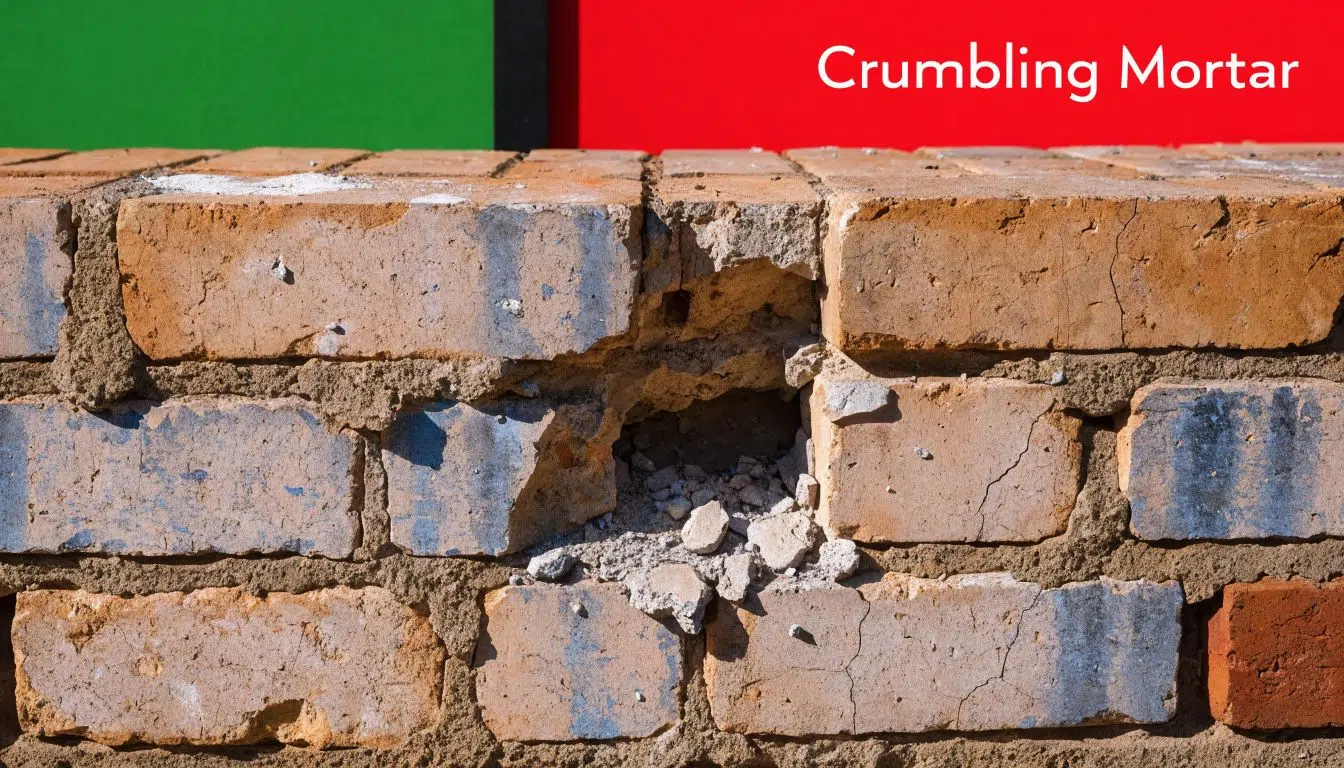
Mortar is the sacrificial part of a brick wall. It’s supposed to weather before the brick does. When it starts failing, the wall loses one of its main defenses against moisture. In Chicago, that can turn into leaks, interior staining, loose masonry, and spalling once winter keeps driving water into open joints.
Why owners get confused
Part of the problem is language. Around Chicago, plenty of people use “tuckpointing” to mean almost any mortar joint repair. In trade terms, that’s not always correct. Some contractors use the word loosely because it’s what customers recognize. Others use it because the proposal sounds better.
That confusion leads to bad scopes of work. You think you’re buying a long-term repair, but the proposal may only cover shallow patching or a cosmetic ridge. If the mortar is severely deteriorated, that won’t hold up.
What matters first: Before you care what the repair is called, find out how much mortar is actually being removed, what new mortar will be installed, and whether the work is being done for structure, appearance, or both.
What the damage usually means
When mortar crumbles, the building envelope is already compromised. You don’t need panic. You do need a proper diagnosis. On older brick buildings, especially prewar stock common in Chicago neighborhoods, the biggest risk isn’t just failed joints. It’s someone repairing them with the wrong material later.
A proper Chicago masonry restoration assessment should separate three things:
- Surface wear: Minor weathering that may only need localized repair.
- Functional failure: Open or soft joints that allow water in and need repointing.
- Decorative goals: Historic or high-visibility facades where appearance justifies true tuckpointing.
If you miss that distinction, you can end up solving the wrong problem.
Understanding Repointing The Structural Repair
Repointing is the repair that keeps a brick wall serviceable when the mortar joints have worn past the point of simple touch-up. On Chicago buildings, that matters more than the label in the proposal. Freeze-thaw cycles, wind-driven rain, and years of deferred maintenance turn open joints into water entry points. Once water gets behind the face brick, repair costs rise fast.
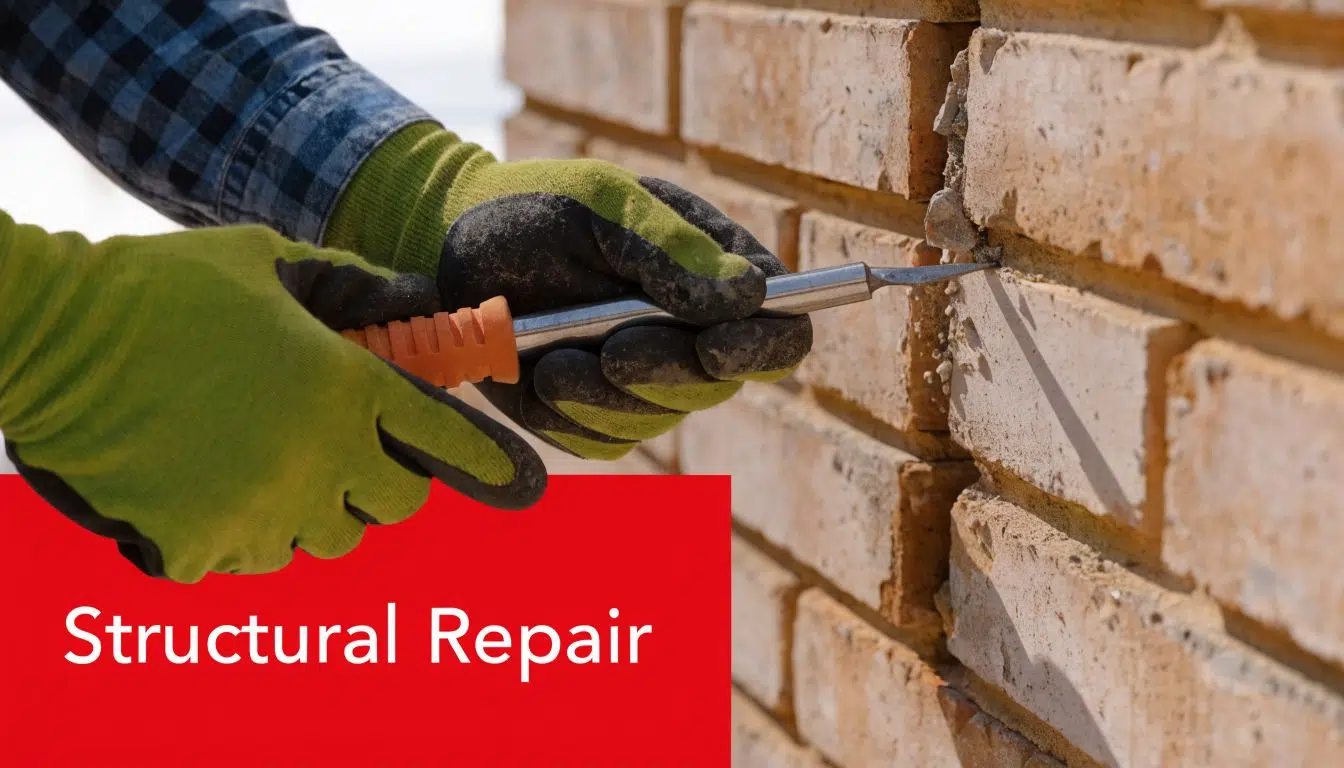
The job is straightforward in concept. Remove the failed mortar. Clean the joint. Pack in new mortar that matches the building’s age, strength, and permeability. Tool it properly so the joint sheds water instead of holding it.
How proper repointing is done
A real repointing job has a defined process. If a bid is vague on depth of removal, mortar type, or curing, assume corners are being cut.
Remove failed mortar to sound material.
On many jobs, that means grinding or hand-cutting the joints deep enough to reach solid mortar, not just shaving the face.Clean the joint fully.
Dust and loose debris left in the joint weaken the bond and shorten the life of the repair.Install mortar that fits the wall.
Older Chicago brick often needs a softer, more breathable mortar. A mix that is too hard can damage the brick before the joint fails.Tool the joints and control curing conditions.
Joint profile affects water shedding. Cure time affects durability. Hot, windy, or cold conditions can ruin otherwise decent workmanship.
That sequence is where the money goes. It is also where the long-term return comes from. A cheaper crew can make the wall look better for a season. Proper repointing is what helps you avoid interior leaks, brick spalling, and repeat repairs a few winters later.
When repointing is the right call
Repointing makes sense when the problem is functional first. If the mortar is recessed, loose, cracked, or missing, the wall needs depth repair, not a cosmetic finish.
That is why repointing is usually the better investment for apartment buildings, mixed-use properties, condo associations, and owners planning to hold a building for years. You are paying for water control and service life, not just appearance. In Chicago, that distinction matters. A wall that still takes on water will keep costing you through patching, caulking, interior damage, and brick replacement.
For owners comparing proposals, this Chicago brick repair cost guide helps show why prices vary so much. The low number often leaves out full cutout depth, proper mortar matching, staged access, or cleanup. Those omissions are exactly what reduce the value of the repair.
What doesn’t work
Surface smears over loose joints are not repointing. Hard mortar on old soft brick is not repointing done right either. Both can leave you with a wall that looks cleaner and performs worse.
On older masonry, the best repointing work is usually quiet. The joints look appropriate to the building, the mortar is compatible, and the wall stays drier through Chicago winters. That is the outcome that protects your property and gives you the better return on the repair budget.
Defining Tuckpointing The Aesthetic Craft
Tuckpointing started as a visual trick, and that history still matters. It originated in late 17th century England as a way to make common brickwork look like expensive, finely cut stonework by using a mortar base color-matched to the brick and then adding a thin contrasting line on top (historical overview of tuckpointing).
That’s why true tuckpointing is different from basic mortar repair. It isn’t just “fixing joints.” It’s a finishing craft.
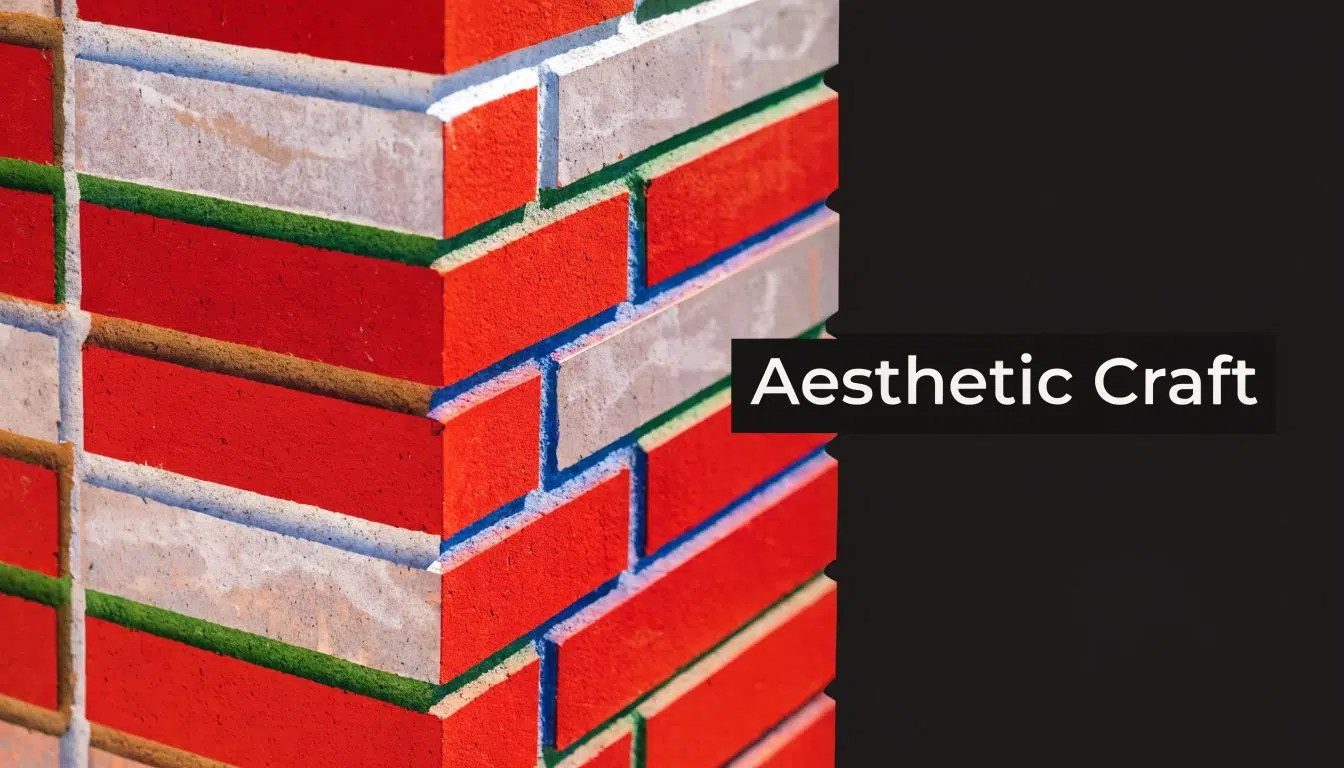
What true tuckpointing looks like
A real tuckpointing job has two visual layers:
- Base mortar matched to the brick: This fills the joint body and creates the background.
- Fine contrasting line: Often a lime putty line, pressed neatly into the center to create the illusion of very narrow, precise joints.
That second line is the giveaway. If you don’t see a deliberate contrasting fillet, you’re usually looking at repointing or a regional variation, not traditional English tuckpointing.
Why owners choose it
Most owners choose tuckpointing for one of three reasons:
- Historic accuracy: Landmark and character buildings often look wrong with plain, heavy joints.
- Curb appeal: A crisp joint pattern can sharpen the whole facade.
- Sale preparation: If presentation matters, decorative joint work can make brick look much more refined.
Chicago adds another layer of confusion because local usage often treats “tuckpointing” as a catch-all term. In practice, many contractors are proposing functional mortar replacement, not the full decorative process. If you want the actual visual effect, ask for that scope specifically and make sure it’s spelled out in writing.
Tuckpointing is only as good as the base joint underneath it. If the underlying mortar repair is weak, the decorative finish won’t save it.
Why it costs more
Tuckpointing takes more control, more handwork, and better visual judgment. The mason has to keep lines straight, spacing consistent, and colors appropriate to the brick. That’s skilled finish work, not a fast patch.
If you’re looking at options for professional tuckpointing services in Chicago, pay attention to whether the proposal describes decorative line work or mortar replacement. Those are not the same service, even if the sales language blurs them.
For many buildings, the wall doesn’t need the decorative step. For some facades, especially historic ones, that decorative step is the whole point.
A Head-to-Head Comparison Tuckpointing vs Repointing
You see loose mortar on a Chicago wall and get two bids. One contractor says you need tuckpointing. Another says repointing. The prices are different, the scope sounds similar, and the wrong choice can leave you paying twice. That is the key comparison.
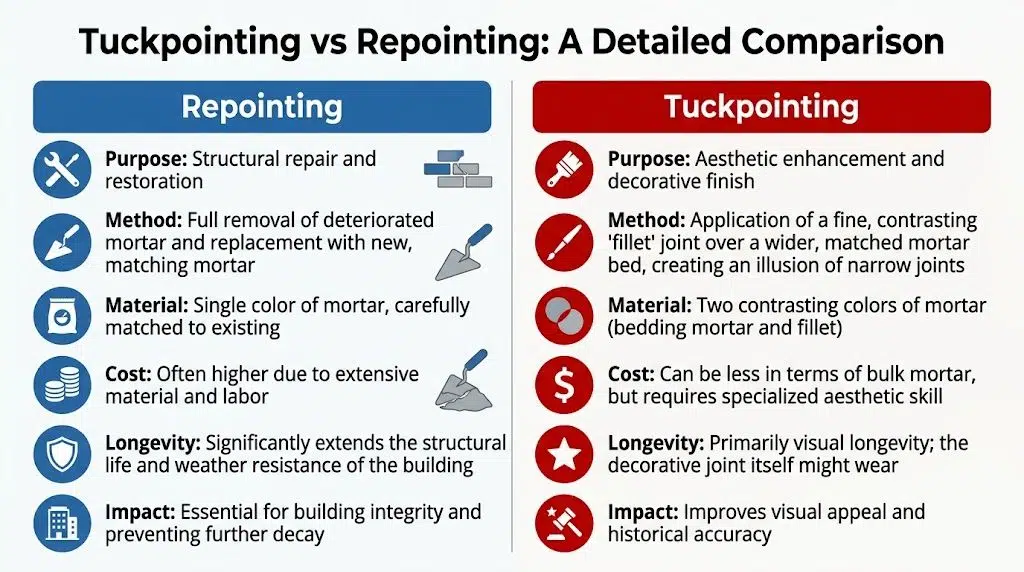
Tuckpointing vs Repointing At a Glance
| Criterion | Repointing | Tuckpointing |
|---|---|---|
| Primary purpose | Structural repair and moisture control | Decorative finish and visual refinement |
| Mortar appearance | Single mortar matched to existing work | Base mortar plus fine contrasting line |
| Best use case | Leaks, open joints, deep erosion, broad maintenance | Historic facades, curb appeal, high-visibility masonry |
| Removal and repair focus | Failed mortar is removed and replaced for performance | Depends on sound base work, then adds decorative detail |
| Upfront cost | Lower than tuckpointing | Higher because of specialized finish work |
| Long-term maintenance | Lower ongoing aesthetic maintenance | Decorative line may need earlier upkeep |
| Typical buyer priority | Durability and ROI | Appearance and historical character |
What holds up better in Chicago
For plain service life, repointing is usually the better value.
Chicago masonry deals with freeze-thaw stress, wind-driven rain, and long heating seasons that push moisture through walls. In those conditions, the base mortar repair is what protects the building. If that work is done well, both approaches can perform well because tuckpointing still depends on the same underlying repointed joint. The difference is that the decorative line in true tuckpointing is thinner, more exposed, and more likely to show wear before the structural mortar does.
That matters for budgeting. Owners often compare the upfront number and miss the maintenance cycle. A tuckpointed facade may look sharper on day one, but if your goal is lower lifetime cost on a rental, mixed-use building, or side elevation, repointing usually gives you more protection per dollar.
Practical rule: Compare the life of the base mortar repair first. Treat decorative tuckpointing as a finish upgrade, not as extra structural protection.
What you’re really paying for
Repointing puts the labor into cutting out failed joints to the right depth, cleaning them properly, and packing in compatible mortar that can handle the wall’s movement and moisture load.
Tuckpointing includes all of that, then adds finish work that has to be straight, consistent, and visually convincing across the facade. That extra labor is why the price climbs. On a Chicago property, the return only makes sense if appearance has a real financial payoff, such as a historic front elevation, a high-visibility retail facade, or a home where curb appeal affects resale.
Read proposals closely.
- A repointing quote should spell out removal depth, mortar type, joint preparation, and where full replacement is needed.
- A tuckpointing quote should include that same repair scope plus the contrasting line treatment, joint profile, and finish standard.
- A vague “tuckpoint entire wall” quote can hide a weak scope if it never says how much defective mortar will be removed.
Which one changes the building most
Tuckpointing changes the appearance more. Repointing changes the wall’s condition more.
That is the cleanest way to judge the trade-off. If the building needs to stay dry, stay stable, and stop shedding mortar, repointing carries the load. If the building already justifies finish work because the facade itself drives value, tuckpointing can earn its keep.
For a lot of Chicago buildings, the answer is simple once you strip away the sales language. Rear walls, apartment buildings, commercial side elevations, and utility masonry usually need solid repointing. Historic street-facing facades are where tuckpointing can make financial sense, because the visual result is part of the property’s value.
Making the Right Choice for Your Chicago Property
A Chicago owner usually calls after the wall has already made the decision harder. Mortar is falling out, water is showing up inside after a freeze-thaw cycle, and the front facade still needs to look right. At that point, the question is not which term sounds better. The question is where your money protects the building best, and where appearance pays you back.
Start with the building’s job.
Choose repointing when performance and budget matter most
Repointing is the right move when the wall needs service life, not decoration. If joints are open, mortar is soft, or you are seeing moisture around parapets, chimneys, lintels, or window heads, spend on proper joint removal and mortar replacement first.
That usually fits these properties:
- Rental buildings: Tenants notice leaks, drafts, and interior damage long before they notice fine joint detailing.
- Commercial buildings: Owners usually get a better return from keeping the envelope tight and reducing avoidable maintenance.
- Rear and side walls: These elevations need durable repairs more than finish work.
- Phased repair projects: If capital is tight, repoint the failed areas now and save cosmetic upgrades for the locations that justify them.
This is usually the higher-ROI choice on Chicago masonry that takes weather from every direction. Good repointing helps control water entry, slows brick deterioration, and avoids spending facade dollars where no one will ever see the difference.
Choose tuckpointing when the facade itself has financial value
Tuckpointing earns its keep when appearance is part of the asset. That is common on historic homes, landmarked properties, and prominent street-facing facades where buyers, tenants, or customers judge the building before they step inside.
The trade-off is straightforward. Tuckpointing costs more because the work has to look exact, not just perform well. On the right property, that extra labor can support resale, leasing, or preservation goals. On the wrong property, it becomes an appearance expense with little operating return.
If you own a classic brick home in a neighborhood where curb appeal affects sale price, front-elevation tuckpointing may make sense. If you own a six-flat, warehouse, or mixed-use building, repointing often delivers the better long-term return because it protects the wall without paying for finish work across areas that do not drive value.
A practical way to decide
Separate the building into zones, then match the repair to the purpose of each zone.
- Use repointing where mortar failure is the main problem.
- Use tuckpointing where visual precision affects value, usually the front facade or historically sensitive details.
- Keep the scope honest by making sure decorative work is not substituted for needed repairs.
- Match the mortar to the brick and exposure conditions so the repair lasts through Chicago winters.
That is how many smart owners control cost without shortchanging the building. They do not buy a showroom finish on every wall. They fix the vulnerable masonry first, then decide whether the visible elevations justify the added labor.
The wrong choice is paying for appearance where you need durability, or choosing the cheaper-looking option on a facade that affects value. The right choice is the one that protects the building and makes financial sense for how you own it.
How to Hire a Qualified Masonry Contractor
A Chicago owner usually calls a mason after the problem has already become expensive. Water gets into open joints through one winter, then the next spring brings flaking brick, interior leaks, or a chimney that suddenly needs more than a mortar repair. The contractor you hire at that point affects more than appearance. It affects how long the wall lasts and whether this job solves the problem or sets up the next one.
The first thing I tell owners is simple. Hire the contractor who talks about diagnosis before price. On older Chicago brick, the wrong mortar, shallow grinding, or rushed cold-weather work can do real damage. A cheap bid often becomes the most expensive option once brick faces start breaking and failed joints have to be redone.
What to check before you call anyone
Give the building a careful walkaround so you can describe the pattern of failure, not just one bad spot.
- Open joints: Missing mortar or visible gaps usually mean water is already getting into the wall.
- Soft or powdering mortar: If it rubs out easily, the joint may be spent.
- Spalled brick faces: Flaking or popped surfaces often point to trapped moisture or a mortar mismatch from an older repair.
- Trouble at parapets, chimneys, sills, and window heads: These areas fail early because they take more weather.
- Patchy past repairs: Different colors, smeared mortar on the brick face, or joints that look too hard and smooth are warning signs.
Take photos by elevation and close-up detail. That gives you a better record, and it makes it easier to compare one contractor’s diagnosis against another.
Questions every contractor should answer clearly
A serious mason should be able to explain the repair in plain language, without dodging the technical parts.
What mortar are you proposing, and why does it fit this brick?
On many older Chicago buildings, compatibility matters more than raw compressive strength.How deep will you remove the existing mortar?
If the answer is vague, the scope is vague.Does this building need repointing, tuckpointing, or a selective combination?
The right answer should match the building’s condition and your budget priorities.What else are you checking while you are on the wall?
Good contractors look at coping, flashing, sealant joints, lintels, and parapet caps because failed mortar is often only part of the problem.How will you protect nearby surfaces?
Dust, grinders, and mortar splatter can damage windows, roofing, landscaping, and painted finishes.What weather conditions stop the work?
Mortar placement and curing in Chicago weather need judgment. Anyone willing to work through freezing temperatures or poor curing conditions without a clear plan is taking chances with your building.What should this repair do for me over the next 10 to 20 years?
That question usually separates contractors who understand building performance from contractors who sell surface appearance.
A good answer includes material choice, joint prep, curing, and water control. A weak answer stays stuck on color and price.
What a good proposal looks like
You should expect more than a one-line estimate.
A useful proposal breaks out the repair areas, identifies the mortar approach, explains how joints will be cut and tooled, and notes any related conditions that may need separate work. It should also tell you what is excluded. If chimney rebuilds, parapet stabilization, lintel replacement, or sealing of coping joints are not included, that should be stated clearly.
This matters for ROI. A detailed scope helps you compare bids accurately. It also keeps you from paying tuckpointing prices for cosmetic work where basic repointing would protect the wall just as well.
What to avoid
Avoid contractors who give a price from the sidewalk and never discuss mortar type. Avoid anyone who says the hardest mortar is automatically the best choice. Avoid broad promises that the repair will make the wall "look new" without explaining how it will shed water and handle freeze-thaw exposure.
Also be careful with very low bids on visible facades. Low numbers often come from shallow removal, rushed cleanup, and production work that looks acceptable for one season and fails early. You end up paying twice.
On Chicago masonry, the best hire is usually the contractor who is specific, cautious, and willing to tell you when part of the wall does not need decorative work. That kind of honesty protects both the building and your budget.
Trust Chicago's Masonry Experts Since 1972
Chicago masonry work is unforgiving. The climate exposes shortcuts fast, and older brick stock punishes the wrong mortar even faster. That’s why experience matters as much as tools and material.
Expert Super Seal Roofing & Tuckpointing has served the Chicago area since 1972 as a family-owned, licensed, bonded, and insured contractor. The company works across residential, commercial, and industrial properties, handling not just mortar joint repair but the surrounding envelope issues that often drive the damage in the first place.
Why local experience changes the outcome
A contractor who works in Chicago long term understands the patterns. Parapet walls fail differently than rear apartment elevations. Chimney joints weather differently than sheltered sidewalls. Snow, freeze-thaw movement, wind-driven rain, and deferred maintenance all show up in the masonry in predictable ways.
That local familiarity helps with three practical decisions:
- Scope: Whether the building needs structural repointing, decorative tuckpointing, or a selective blend.
- Material choice: Whether the brick calls for a softer, more compatible mortar.
- Sequencing: Whether adjacent issues such as coping, flashing, lintels, or sealant need to be addressed at the same time.
What owners should expect from a serious contractor
You should expect a contractor to diagnose before prescribing. That means looking past the visible joint failure and asking why the mortar failed there first.
A serious masonry team should also provide:
- Clear written scope
- Transparent quote
- Workmanship backing
- Protection for surrounding property
- A repair plan that fits the age and type of your building
That’s what keeps a mortar project from turning into a repeat job a few winters later.
If you own a Chicago home, condo building, commercial site, or industrial property, the right team won’t sell you a one-size-fits-all answer. They’ll tell you whether you need a structural fix, a decorative finish, or both, then do the work so the wall stays dry, stable, and presentable.
Frequently Asked Questions About Masonry Repair
Is tuckpointing stronger than repointing
Not by itself. The structural performance comes from the sound mortar repair underneath. The decorative line in tuckpointing improves appearance, not the wall’s core strength. If the base work is poor, the finish won’t rescue it.
What kind of mortar should be used on an older brick building
The mortar has to be compatible with the brick and with the original wall assembly. On many older buildings, that means avoiding hard modern mixes that don’t let softer masonry move and release moisture properly. This is one of the most important judgment calls in the whole job.
When should I worry about crumbling mortar
Sooner than most owners do. If joints are open, powdering, missing, or letting water in, the wall is already vulnerable. Small areas can be localized. Widespread erosion usually calls for a broader repair plan.
Can I just patch the bad spots myself
For small cosmetic touch-ups, some owners try it. For true building-envelope repairs, DIY work usually creates mismatched color, poor bond, messy edges, or the wrong mortar selection. On older Chicago brick, that risk isn’t worth it.
What’s the best season for masonry work in Chicago
Stable temperatures help. Contractors generally want conditions that allow proper installation and curing, without extreme cold or rapid drying. The exact timing depends on the wall exposure, weather pattern, and the mortar being used.
Do all walls need decorative tuckpointing
No. Many properties only need repointing. Decorative tuckpointing makes the most sense where facade appearance, historical character, or sale presentation justifies the extra cost and future maintenance.
How do I compare two proposals fairly
Look beyond the total number. Compare removal depth, mortar type, repair areas, protection measures, cleanup, and whether the proposal covers repointing, decorative tuckpointing, or both. If one estimate is much cheaper, there’s usually a reason.
If your brick walls are shedding mortar, taking on water, or showing early spalling, get a real diagnosis before the next Chicago winter makes it worse. Expert Super Seal Roofing & Tuckpointing has protected Chicago-area properties since 1972 and can help you determine whether your building needs structural repointing, decorative tuckpointing, or a smarter combination of both.