Neutral roof colors like charcoal, gray, black, brown, and weathered wood are the safest choice for increasing home value in Chicago. In the Chicago area, a new asphalt shingle roof can increase resale value by an average of $12,000 to $18,000 while recovering about 60% to 70% of installation cost, and those gains are strongest when homeowners choose high-appeal neutral colors.
If you're replacing a roof right now, you're probably looking at a shingle board full of samples that all seem close enough until one wrong option suddenly makes the whole house look off. That decision matters more in Chicago than many homeowners expect, because roof color affects curb appeal, perceived maintenance, seasonal comfort, and how much resistance buyers give you when the house hits the market.
In this market, roof color isn't a finishing touch. It's part of the investment. A roof that fits the house and the block helps buyers feel the property is cared for, while a roof that fights the brick, siding, or trim can make the same house look patched together.
The Right Roof Color A Major Factor in Your Homes Value
Chicago homeowners usually start with material, warranty, and price. That's the right place to start, but color is where resale value often gets protected or weakened. On a roof replacement, the shingles cover a huge portion of the home's visible exterior. Buyers notice that before they know what underlayment you used or which ridge vent system is installed.
A good roof color does three jobs at once. It makes the exterior feel coordinated, it supports how the house handles Chicago weather, and it lowers the chance that a buyer sees the roof as a future problem instead of a recent upgrade.
Why buyers react to roof color so quickly
Roof color changes how people read the whole property. On a brick bungalow in Portage Park, a deep charcoal or weathered wood roof usually looks settled and appropriate. On a newer home in Naperville, a slate-toned roof can make the lines look sharper and cleaner. The same roof in a loud or mismatched color can make buyers focus on your taste instead of the house's value.
That matters because roofing is expensive enough that buyers don't want to inherit a correction project. If they think they'll need to repaint trim, swap gutters, or eventually replace a roof color they dislike, they start discounting the home in their heads before they ever make an offer.
Practical rule: In Chicago, the best roof color usually isn't the one that stands out most. It's the one that makes the whole house look more expensive and easier to buy.
What works in the real world
For most homes in the city and suburbs, the safest value-driven choices are:
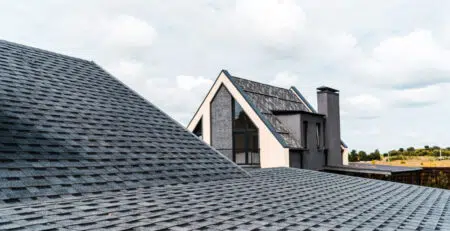
- Charcoal gray: Works with red brick, light siding, limestone, and black metal accents.
- Weathered wood: Softens strong masonry and blends well with mixed tones on older homes.
- Slate gray: A strong fit for homes with cooler paint palettes and cleaner modern lines.
- Black: Best when the exterior already has strong contrast and crisp trim details.
- Brown-based neutrals: Useful on warmer brick, tan siding, and homes with earthy masonry.
What doesn't work as often is trying to make the roof the focal point. Bright reds, greens, or unusual designer blends can look fine to the owner and still hurt marketability. Chicago buyers tend to reward houses that look coherent, not experimental.
The financial question behind the color choice
Homeowners asking what color roof increases home value in Chicago are really asking a financial question. They want to know which option protects the replacement cost and helps the house sell without drama later. That's why neutral roofs win so often. They attract the broadest buyer pool, match more home styles, and don't create avoidable objections.
Why Neutral Roof Colors Maximize Curb Appeal and Buyer Interest
The strongest roof color strategy is simple. Pick the color that gives the fewest future buyers a reason to hesitate.
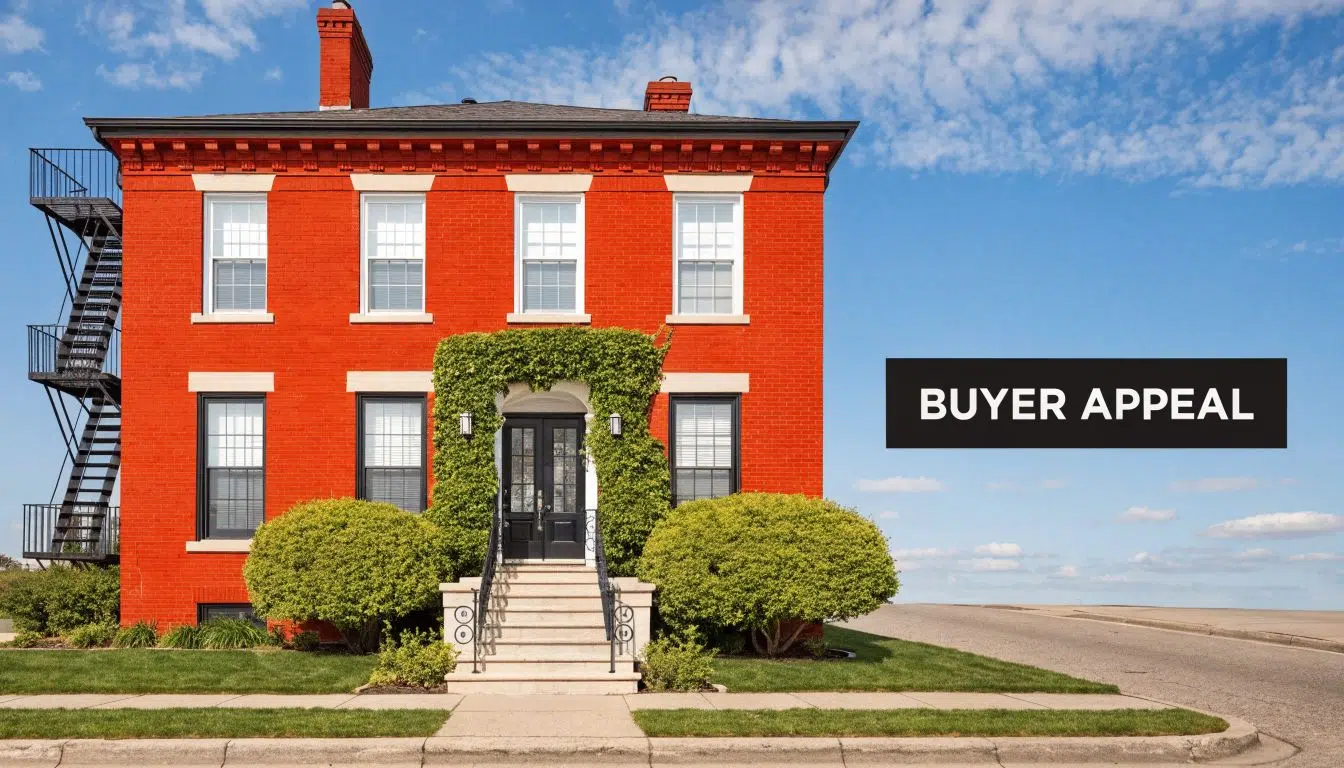
Neutral roof colors act like a good, well-fitting jacket. They sharpen what's already there without demanding attention for themselves. On a Chicago home, that usually means the buyer notices the brick, stone, trim, windows, and roofline as one coordinated exterior instead of seeing a roof color that feels too personal.
According to Helmuth Roofing's review of resale-friendly roof colors, neutral roof colors such as black, gray, and brown are the safest choices for maximizing home resale value, appealing to 91% of home buyers who value coordinated exteriors, while 94% of real estate professionals agree that color-matching increases perceived property value.
Why coordinated exteriors sell better
Buyers don't stand in the driveway and say, "This roof is neutral, so I approve." What they do say is, "This house looks right." That's the result you're after.
A coordinated exterior sends a few useful signals:
- The home feels move-in ready: Buyers assume fewer immediate cosmetic fixes.
- The ownership looks disciplined: A matching roof suggests the homeowner didn't make careless exterior decisions.
- The house photographs better: Neutral roofs usually support listing photos instead of distracting from them.
- The architecture reads clearly: The roof frames the home instead of competing with brick, siding, or stone.
Bold colors narrow the audience
There's always a temptation to make a house memorable. In roofing, memorable often becomes expensive. A bright or unusual shingle color can fit one owner's taste perfectly and still reduce buyer confidence because the next buyer has to live with it.
Chicago buyers already evaluate foundation movement, masonry condition, flashing, attic ventilation, and water management. If the roof color creates one more question mark, you've made the sale harder than it needed to be.
A buyer rarely pays extra because a roof color is daring. They do pay more readily when the exterior feels complete.
The safest neutrals for Chicago homes
If resale value is the priority, these are the colors that do the least damage and most good:
- Charcoal gray: Probably the most versatile choice across city brick homes and suburban siding combinations.
- Slate gray: Cleaner and slightly cooler in tone. Useful on contemporary exteriors.
- Weathered wood: Good for homes that need warmth and a less stark contrast.
- Black: Strong on houses with white trim, black windows, or traditional masonry.
- Brown: A practical fit for tan, cream, and earth-toned facades.
The point isn't that every house should get the same roof. It's that the roof should give the widest group of buyers an easy yes.
Matching Roof Color to Chicagos Architectural Styles
General advice helps. House-specific advice is what makes the decision easier.
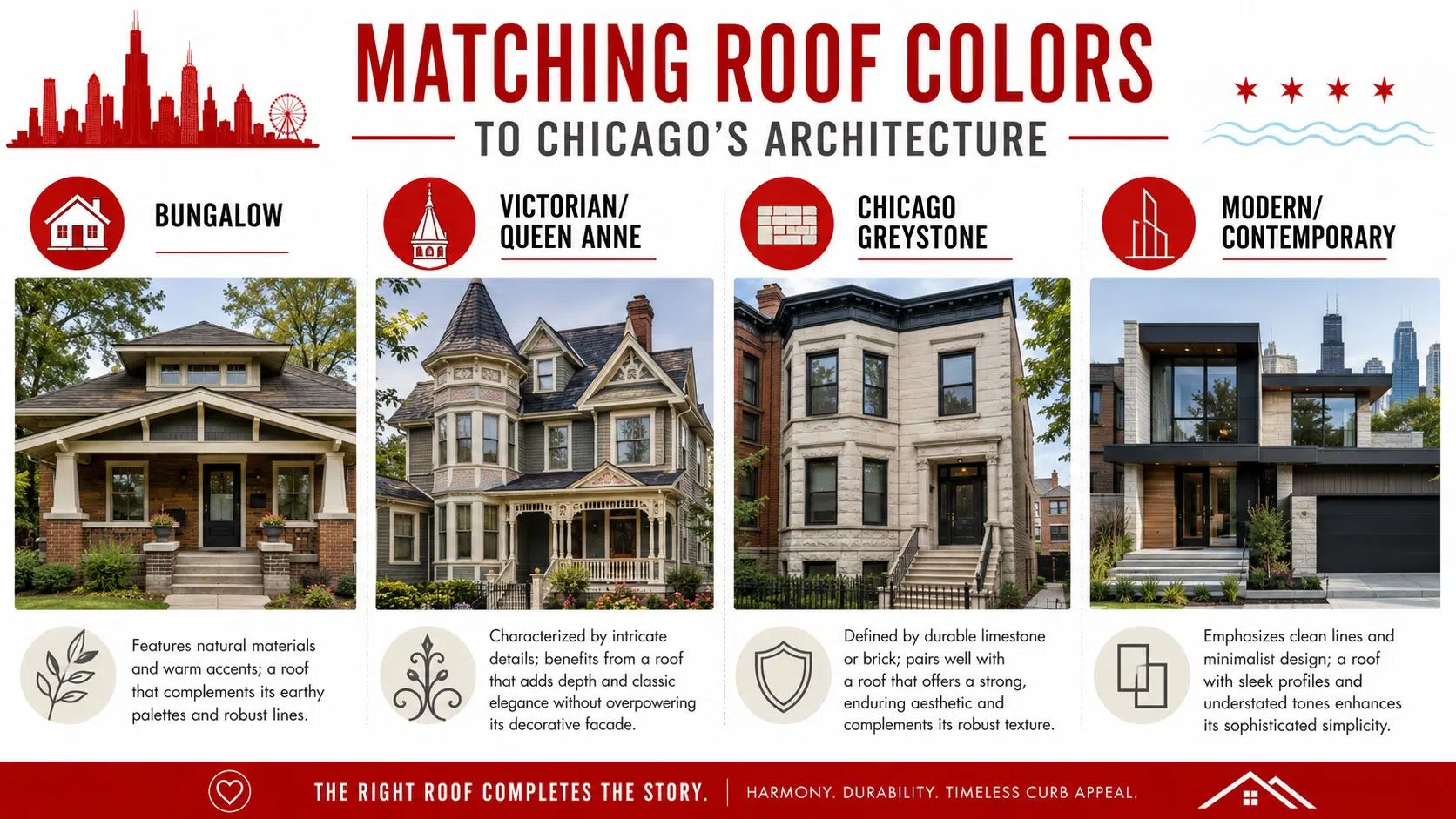
Chicago isn't one housing market visually. A brick bungalow on the Northwest Side, a greystone in the city, and a newer build in Naperville don't need the same roof tone. The job is to match the roof to the fixed materials you can't easily change, especially brick, limestone, stone caps, fascia, gutters, and window trim.
Start with the masonry, not the sample board
On most Chicago homes, the roof shouldn't be chosen in isolation. Start by looking at the permanent surfaces first.
- Red or orange brick: Usually pairs best with charcoal, black, or weathered wood.
- Gray stone or limestone: Often looks strongest with slate gray, black, or deeper charcoal.
- Beige or taupe siding: Usually supports weathered wood, brown, or soft gray.
- Modern white-and-black exteriors: Often benefit from black or a crisp medium-to-dark gray.
According to Global Exterior Experts' discussion of resale-friendly roof colors, in the Midwest, neutral colors like charcoal gray and weathered wood can amplify home value by an additional 3-5% during resale because they fit the common brick-and-siding combinations seen in Chicagoland suburbs such as Aurora and Naperville.
Chicago Roof Color Pairings by Home Style
| Architectural Style | Best Roof Colors | Considerations |
|---|---|---|
| Bungalow | Charcoal gray, weathered wood, black | Works best when the roof supports warm brick and heavy porch lines without looking too glossy or sharp |
| Victorian or Queen Anne | Slate gray, black, deep brown neutrals | Decorative trim already carries visual detail, so the roof should add depth without stealing attention |
| Chicago Greystone | Black, charcoal, slate gray | Strong masonry and limestone details need a roof color with weight and a clean, enduring look |
| Modern or Contemporary | Black, slate gray, dark gray blends | Clean lines benefit from restrained colors that keep the exterior crisp and deliberate |
| Suburban brick-and-siding home | Weathered wood, charcoal, brown-gray blends | Mixed materials need a bridge color that ties the siding tone to the brick base |
What tends to work by neighborhood and home type
A few practical examples make this easier.
Brick bungalows
Chicago bungalows usually have strong, warm masonry. A charcoal roof gives enough contrast to define the shape of the house without making it feel harsh. Weathered wood is often a better choice if the brick has more brown or tan in it and the trim isn't high contrast.
Greystones and two-flats
These homes already have visual weight. Black and darker grays usually look best because they reinforce the stone and brick rather than watering it down. On a lighter gray roof, some greystones can lose that solid, grounded look buyers expect.
Newer suburban construction
Naperville, Aurora, and Joliet have plenty of homes with mixed siding, stone veneer, and factory-finished trim. These homes usually benefit from slate gray or weathered wood because those tones connect multiple exterior materials without making the roof look too dominant.
If the house has several exterior finishes, the roof should usually act as the unifying piece, not another competing finish.
The Climate Factor Dark vs Light Roofs in Chicagoland
Chicago weather changes the roof color conversation. In a place with long winters, humid summers, freeze-thaw stress, and wide seasonal swings, color isn't only about appearance. It affects how the house handles heat.
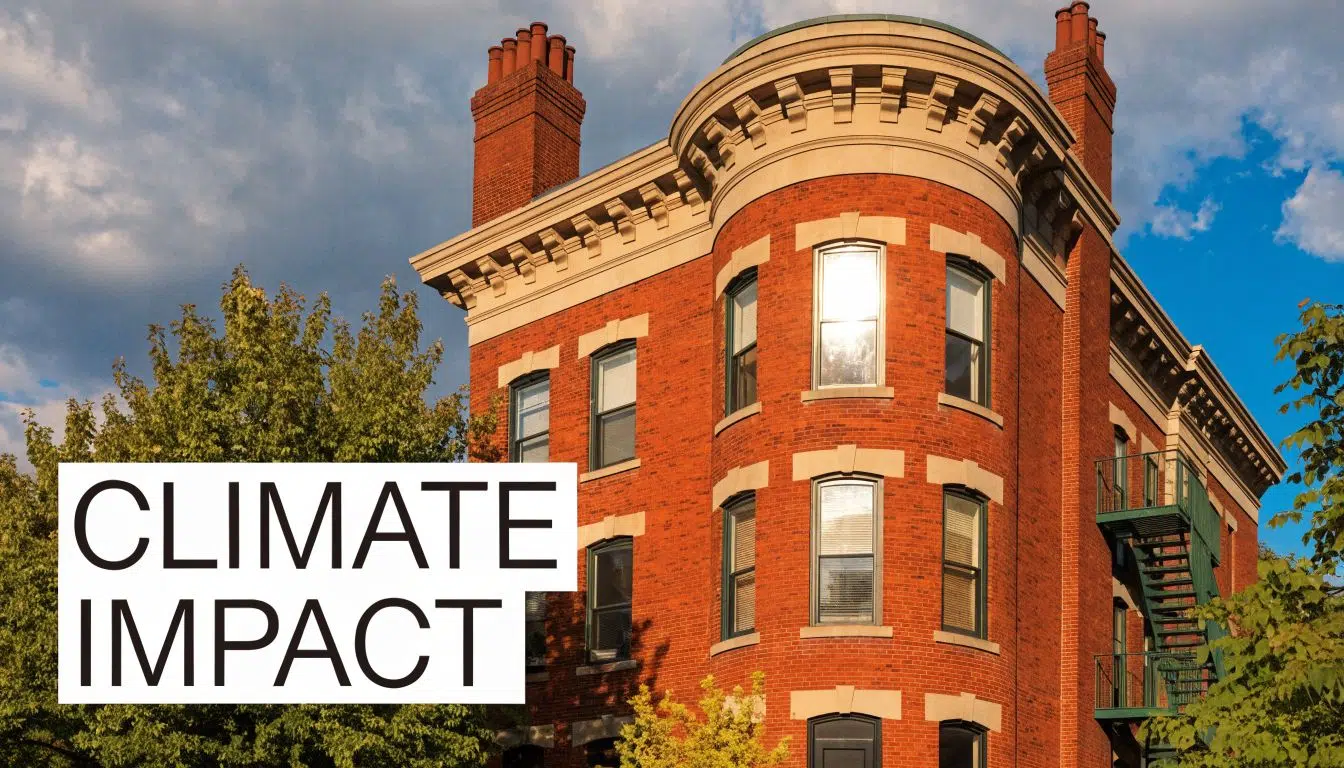
According to Holloway Roofing's analysis of roof color and home value, Chicago averages over 4,000 heating degree days per year, and darker roof colors like black and dark gray can help cut natural gas heating costs by 5-12%. For many homeowners, that makes dark neutral roofs a practical value choice, not just an aesthetic one.
Why darker roofs make sense here
Chicago isn't Miami. Most homeowners spend more time dealing with heating season than worrying about extreme year-round cooling demand. A darker roof absorbs more solar heat, which can support winter efficiency and appeal to buyers who pay attention to utility bills.
That doesn't mean every house should go black. It means dark neutral roofs have a logical advantage in this climate, especially on homes where winter performance matters more than shaving a little heat gain in July.
Where lighter neutrals still fit
Lighter neutrals still have a place, especially on homes with:
- Strong summer sun exposure
- Limited attic ventilation that needs improvement
- Upper-floor heat complaints
- Contemporary exteriors that look too heavy with a very dark roof
Slate gray often lands in the sweet spot. It still looks neutral and resale-friendly, but it doesn't carry the same visual weight as black. On certain homes, that's the better compromise.
For homeowners weighing insulation, attic airflow, and roof color together, this guide on whether a new roof helps with heating and cooling is worth reviewing before you lock in a shingle color.
The trade-off most homeowners should focus on
The practical choice in Chicagoland usually isn't dark versus light in the abstract. It's whether your house benefits more from heat retention, summer reflectivity, or visual balance with the exterior.
A few examples:
- Older brick home with solid masonry and classic trim: Dark charcoal or black usually makes sense.
- Suburban home with lighter siding and hot second floor: Slate gray may be the smarter middle ground.
- Multi-unit building with mixed roof sections: Keep the visible sloped portions neutral and coordinated with the facade so the exterior still reads cleanly from the street.
Roof color should support the building's performance, but resale value usually improves most when performance and appearance point in the same direction.
Calculating the ROI of Your New Roof Color
Most homeowners don't replace a roof for fun. They replace it because the old one is worn, leaking, aging out, or becoming a liability in a sale. That's why the value question matters so much.
In the Chicago area, GM Exteriors' breakdown of roof replacement and resale value states that a new asphalt shingle roof can increase resale value by an average of $12,000 to $18,000, with homeowners recovering about 60% to 70% of the installation cost. The same source notes that choosing high-appeal neutral colors such as charcoal or weathered wood is key to maximizing that value.
Why color affects ROI instead of just appearance
A new roof already has baseline value because it removes buyer anxiety. The color determines how much of that value gets fully recognized.
If you put a solid new roof on the house but choose a color that looks awkward with the siding, brick, or trim, buyers may still see a correction cost ahead. If the roof color fits, buyers are more likely to treat the roof as a completed upgrade.
That difference shows up in three places:
Listing appeal
The home looks cleaner and more finished from the first photo.Inspection negotiations
Buyers are less likely to use the roof as a bargaining chip when it looks recent and appropriate.Speed of decision-making
Neutral exterior choices reduce the number of aesthetic objections that slow an offer.
The cost of getting it wrong
Roof color mistakes rarely create one dramatic problem. They create friction. A buyer doesn't say, "I'm lowering my offer because the shingles are the wrong shade." They say the home feels dated, the exterior doesn't match, or the property needs work to feel move-in ready.
That's why this isn't only about taste. It's about protecting the money you're already putting into the roof. Before budgeting the project, it's helpful to review how much a new roof costs in Chicago so you can judge color choices in the context of the full investment.
A simple ROI decision filter
If your main goal is resale or long-term value, use this filter before choosing a color:
- Does it match the fixed exterior materials?
- Would the broadest group of buyers accept it immediately?
- Will it still look current years from now?
- Does it make the home look maintained rather than personalized?
If the answer isn't clearly yes, keep looking at neutrals.
Making Your Final Decision HOA Rules and Next Steps
By the time you're choosing between charcoal, slate gray, weathered wood, or black, the decision usually comes down to constraints. Not style. Check those constraints before you approve the order.
What to confirm before you sign off
Start with the rules attached to your property.
- HOA requirements: Some associations limit approved shingle colors or require prior approval.
- Historic expectations: If you're in an older district or on a historically sensitive block, a roof that feels too modern can look out of place even if it's technically allowed.
- Existing exterior elements: Gutters, fascia, soffit, masonry color, and siding should be reviewed together.
- Future plans: If you're planning to repaint, replace siding, or upgrade windows later, choose a roof color that still works with that direction.
A contractor should evaluate the whole exterior
Photos on a phone help. So do manufacturer sample boards. But roof color decisions are easiest when someone looks at the house in person, in real light, against the actual brick and trim.
A contractor should also help you judge the roof beyond color. Ventilation, flashing details, slope visibility from the street, and product profile all affect how the finished roof will be perceived. If you're still comparing lifespan and long-term value across systems, this page on the average lifespan of a roof in Chicago helps frame the decision.
The best roof color on paper can still be the wrong roof color on the house.
The smart final move is simple. Narrow the palette to two or three neutral options, view them against your actual exterior, and choose the one that makes the home look the most coordinated from the curb.
Frequently Asked Questions About Roof Color and Home Value
Are bold roof colors ever worth it for resale
Usually, no. Bold colors can work on a very specific home with a very specific design language, but resale value depends on broad buyer acceptance. Most Chicago homeowners are better off with a neutral roof that supports the architecture rather than trying to make the roof the statement piece.
Does roof material matter more than roof color
They matter in different ways. Material affects durability, repairability, service life, and how the roof handles Chicago weather. Color affects first impressions, curb appeal, and whether buyers see the roof as an upgrade or a future change order. If you're asking what color roof increases home value in Chicago, color is the visible factor that shapes the first reaction.
Do darker roofs look dirtier or fade faster
That depends on the product, exposure, tree cover, and maintenance habits. Darker roofs can show certain types of fading differently, while lighter roofs can reveal streaking or discoloration in other ways. What matters most is using a quality shingle line, matching the roof to the house, and keeping the roof system maintained so the color still reads as intentional rather than worn.
A roof should make the house easier to own, easier to market, and easier to sell. In Chicago, that usually means sticking with neutral tones that fit the brick, fit the climate, and still look right years from now.
If you're planning a roof replacement in Chicago or the suburbs, Expert Super Seal Roofing & Tuckpointing can help you compare shingle colors, roof systems, and exterior coordination with a practical eye toward resale value, durability, and long-term cost. Reach out for a free estimate and get a recommendation that fits your home, not just a sample board.