
A flat roof problem usually starts small. A brown ring on a ceiling tile. Water dripping near a top-floor window after a hard storm. A maintenance tech telling you the roof is holding water longer than it used to. In Chicago, those little warnings don’t stay little for long. One freeze, one thaw, one wet snowfall, and a manageable repair can turn into soaked insulation, interior damage, and a much bigger bill.
That’s why choosing among the best roofing materials for flat roofs isn’t just about price per square foot. It’s about how a roof handles slush, ice, rooftop traffic, UV exposure, standing water, and the sharp temperature swings that hit this city year after year. A roof that performs well in one climate can disappoint here if it can’t deal with winter movement, seam stress, or repeated freeze-thaw cycles.
After decades around Chicago roofs, one truth holds up every time. There is no single perfect flat roof material for every building. There’s a right fit for a two-flat, a different fit for a condo association, and another for a warehouse with rooftop equipment and regular service traffic.
Choosing Your Flat Roof Shield for Chicago Weather
A flat roof in Chicago works like a shield, not just a cover. It has to keep out driven rain in spring, take sun and rooftop heat in summer, survive falling temperatures in fall, and then deal with snow load, ice, and trapped moisture in winter. If the material, seams, flashing, and drainage details aren’t right, the weather will find the weak spot.
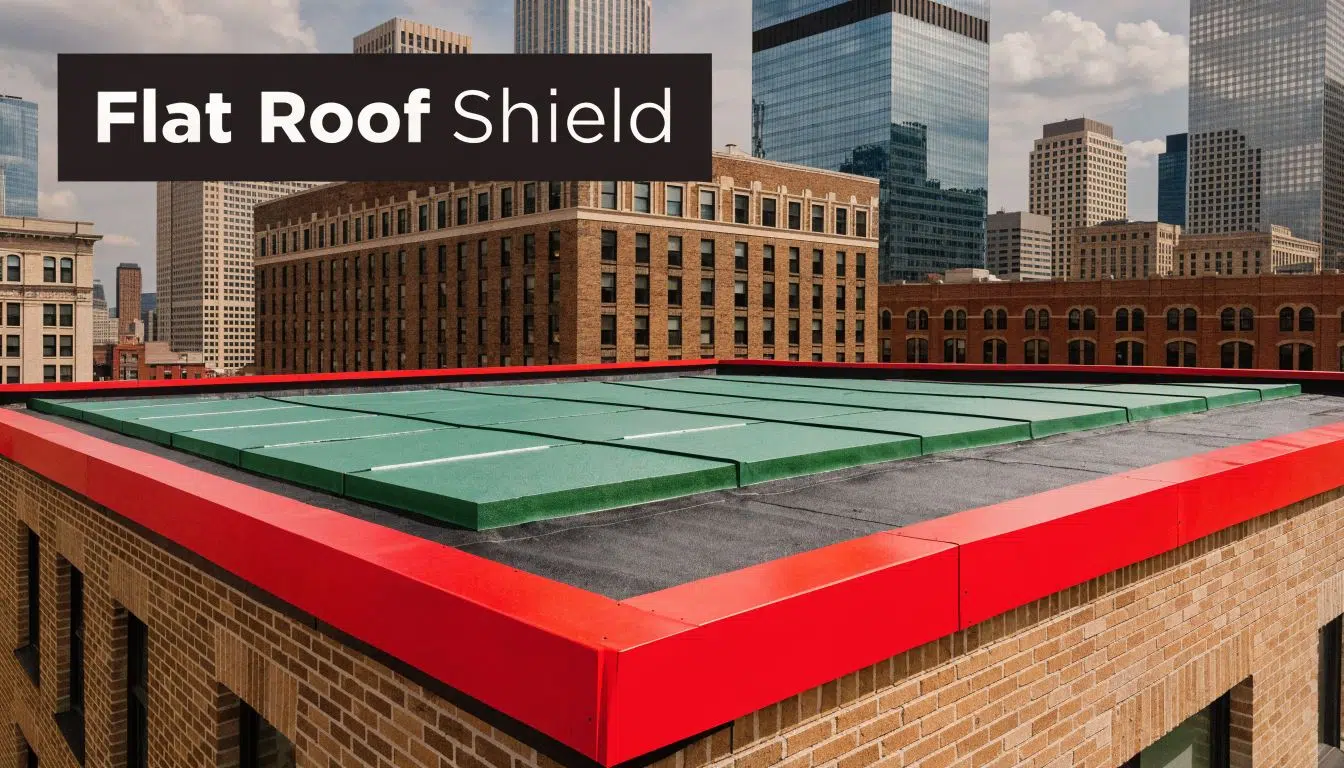
Most flat roofs in this market fall into a few categories. You’ve got single-ply membranes like TPO and EPDM. You’ve got multi-layer systems like modified bitumen and built-up roofing. Then there are specialty options such as low-slope metal in the right application and restorative coatings when the existing roof still has life left in it.
What matters most in Chicago
The first question isn’t “What’s the cheapest roof?” It’s “What kind of stress does this building put on the roof?”
A small residential building with limited roof traffic has different needs than a restaurant, school, or industrial property. So do buildings with parapet walls that hold drifting snow, older structures that may not want extra roof weight, and properties that need predictable maintenance costs for budgeting.
Here’s the short list I tell owners to focus on:
- Climate fit: The roof has to handle cold movement, snow, and repeated thawing without seam failure or cracking.
- Service life: A lower upfront number can look good until you replace the roof sooner than expected.
- Repairability: Some systems are easier to patch and maintain without chasing leaks around the roof.
- Energy behavior: White reflective membranes help in summer. Dark membranes can absorb more heat.
- Roof use: If HVAC crews, maintenance staff, or contractors walk that roof often, puncture resistance matters a lot more.
A flat roof usually fails at transitions, seams, drains, curbs, and flashing details before it fails in the middle of the field. Material choice matters, but details matter just as much.
A fast look at the main choices
Before getting into each system, this side-by-side view helps frame the discussion:
| Roofing system | General strength | Main trade-off | Good fit |
|---|---|---|---|
| TPO | Reflective, efficient, strong welded seams | Installation quality matters | Commercial, multi-unit, heat-sensitive buildings |
| EPDM | Proven cold-weather flexibility | Standard black surface absorbs heat | Residential and commercial buildings needing long-term value |
| PVC | Strong in chemical-exposed settings | Higher initial cost | Restaurants, industrial properties, grease-heavy operations |
| Modified bitumen | Tough surface, solid for traffic | Shorter service life than premium membranes | Smaller buildings, workhorse roofs |
| Built-up roofing | Multi-layer protection | Heavy and labor-intensive | Structures designed for heavier traditional systems |
| Metal for low slope | Long-lasting in the right slope range | Not for true flat roofs | Canopies, additions, low-slope sections |
| Coatings | Extends life on eligible roofs | Not a fix for a failing roof | Restoration projects with sound substrate |
The right choice comes down to what the building needs the roof to do, not what sounds good in a brochure.
The Modern Membranes TPO vs EPDM vs PVC
A Chicago flat roof can sit under standing snow in January, bake in direct sun in July, and cycle through freeze-thaw swings in between. Single-ply membranes stay popular because they keep weight down, install efficiently, and perform well when the roof has proper drainage, sound insulation, and clean detailing. TPO, EPDM, and PVC solve different problems, so choosing the right one matters.
Here’s the quick comparison most owners ask for first.
| Material | Average Cost (per sq ft) | Lifespan | Best for Chicago because… | Key Consideration |
|---|---|---|---|---|
| TPO | $4-$14 per sq ft | 25-30 years | reflective surface helps reduce summer cooling demand on larger roofs | seam quality depends on proper heat welding |
| EPDM | $4-$13 per sq ft | 25-50 years | stays flexible in cold weather and handles seasonal movement well | standard black membrane can absorb more summer heat |
| PVC | Higher initial cost | Long-lasting in the right application | useful where grease or chemical exposure is part of the roof environment | cost is usually the sticking point |
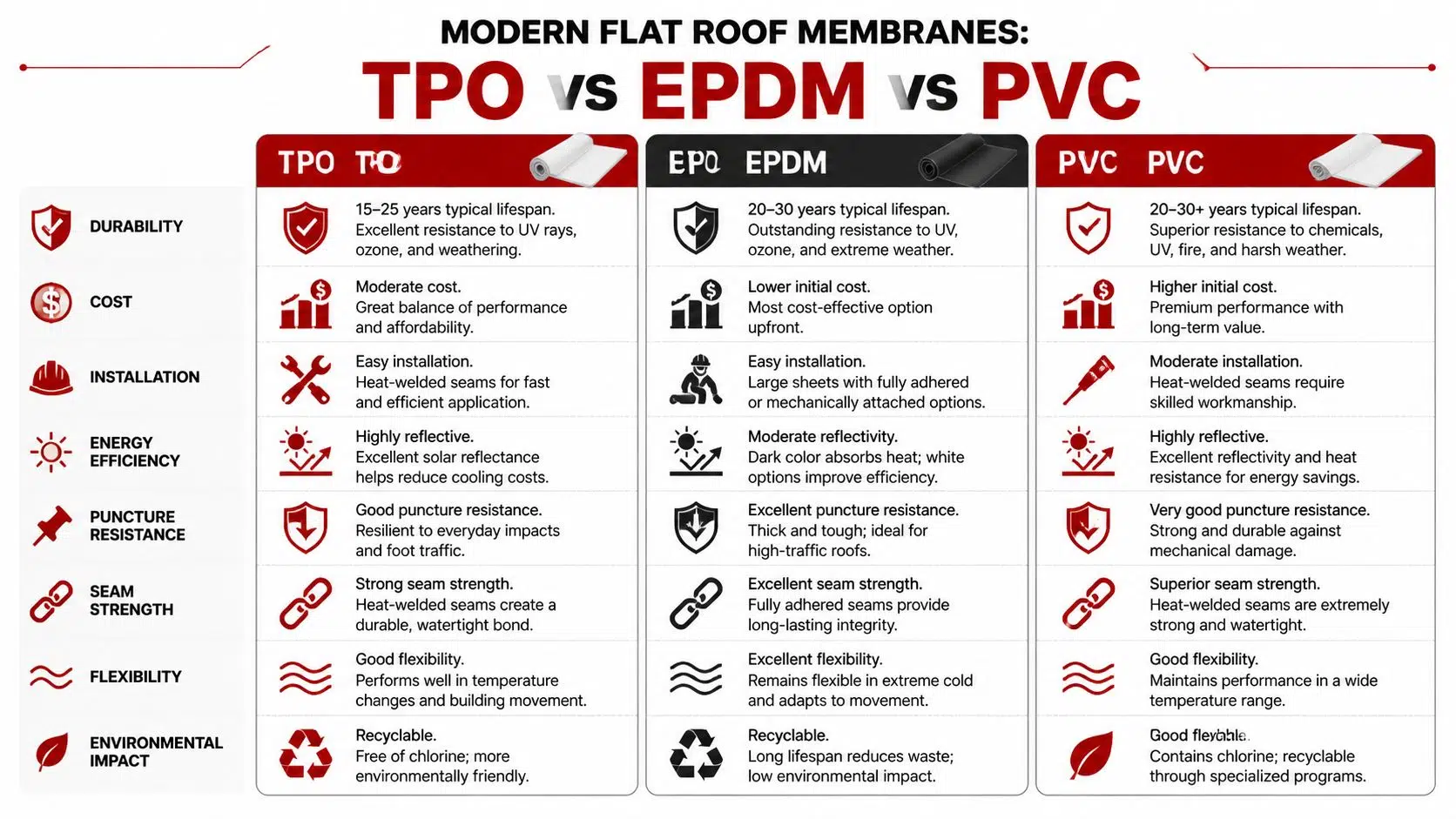
If you want a basic overview before comparing systems, this explanation of a membrane roofing system covers the fundamentals. For Chicago owners, the decision is how each material holds up under snow load, ice at drains, rooftop traffic, and sharp temperature swings.
TPO for balanced performance
TPO fits a lot of Chicago buildings because it balances cost, energy performance, and seam strength. On commercial roofs and condo buildings with wide open exposure, the reflective surface helps with summer heat gain, and the hot-air-welded seams are a strong advantage if the crew knows what they’re doing.
Fox Haven Roofing's flat roof materials comparison places TPO at $4-$14 per square foot with a typical service life of 25-30 years. That same source notes TPO can cost less than PVC while offering similar energy-efficiency benefits, and it identifies 60 mil as a common recommendation for commercial work.
In the field, TPO usually gives the best return where owners want a clean, modern membrane without stepping up to PVC pricing. That makes it a practical fit for warehouses, retail buildings, multi-unit properties, and larger low-slope roofs where utility costs matter.
The trade-off is workmanship. Heat-welded seams are only as good as the installer’s technique, and Chicago weather exposes bad welding fast. A roof with weak seams, rushed flashing, or poor edge securement may show trouble after a hard winter or a windy storm season. TPO also needs realistic expectations on roofs with chronic ponding or heavy service traffic around equipment.
Chicago takeaway: TPO is often the value choice for commercial and multi-unit buildings that need reflectivity, solid seam performance, and a reasonable price point.
EPDM for proven cold-weather reliability
EPDM has earned its place in the Midwest. It stays flexible in cold weather, handles movement well, and has a long track record on both residential and commercial flat roofs.
CMB Roofing's flat roofing materials guide lists EPDM at $4-$13 per square foot with a potential lifespan of 25-50 years under proper maintenance. The same source notes EPDM can withstand a wide temperature range without cracking and remains a common flat-roof choice because of its durability and repairability.
That cold-weather flexibility matters in Chicago. Roof systems here expand in heat, contract in deep cold, and get tested again during spring thaw. EPDM handles that movement well, which is one reason many roofers still trust it on buildings where long-term service life matters more than a bright white surface.
EPDM also tends to be straightforward to repair. On aging roofs, that can improve long-term value because patching details and addressing isolated trouble spots is often less complicated than with some older multi-layer systems.
Its main drawback is easy to see. Standard black EPDM absorbs more heat in summer. On a small residential garage or a utility roof, that may not be a major issue. On a larger conditioned building, it can affect cooling demand enough that TPO starts to look better from an ROI standpoint.
Chicago takeaway: EPDM is a strong choice for owners who want a proven membrane that handles winter well and can be maintained for the long haul.
PVC for demanding roof environments
PVC earns its keep on buildings that put extra stress on the roof surface. Restaurants, food plants, and industrial properties often release grease, oils, or chemical residue that can shorten the life of a standard membrane. PVC is built for that kind of abuse better than TPO or EPDM.
It also has heat-welded seams, which is useful in a climate where expansion and contraction put constant stress on field joints and flashing details. For facility managers, that combination of chemical resistance and welded seams is often the reason PVC makes financial sense despite the higher upfront cost.
For a typical Chicago home or a basic condo roof, PVC is often more membrane than the job requires. For a restaurant with grease exhaust, it can be the smarter buy because it reduces the risk of premature failure from conditions the other systems were not meant to handle.
Which membrane works best by situation
The best membrane depends on what the building asks the roof to do.
- Choose TPO for commercial and multi-unit properties that want good overall value, reflectivity, and welded seams.
- Choose EPDM for buildings where winter flexibility, repairability, and a long service record matter most.
- Choose PVC for restaurants, industrial sites, and facilities where grease or chemical exposure changes the roofing equation.
For Chicago owners, this choice is not about picking the trendiest membrane. It is about matching the roof system to the building, the budget, and the punishment that four seasons will deliver.
Time-Tested Systems Modified Bitumen and Built-Up Roofing
A lot of Chicago flat roofs are not chasing the newest system on the market. They need a roof that can take boot traffic, service calls, drifting snow, and years of freeze-thaw movement without getting chewed up around every penetration. That is why modified bitumen and built-up roofing, or BUR, still earn their place.
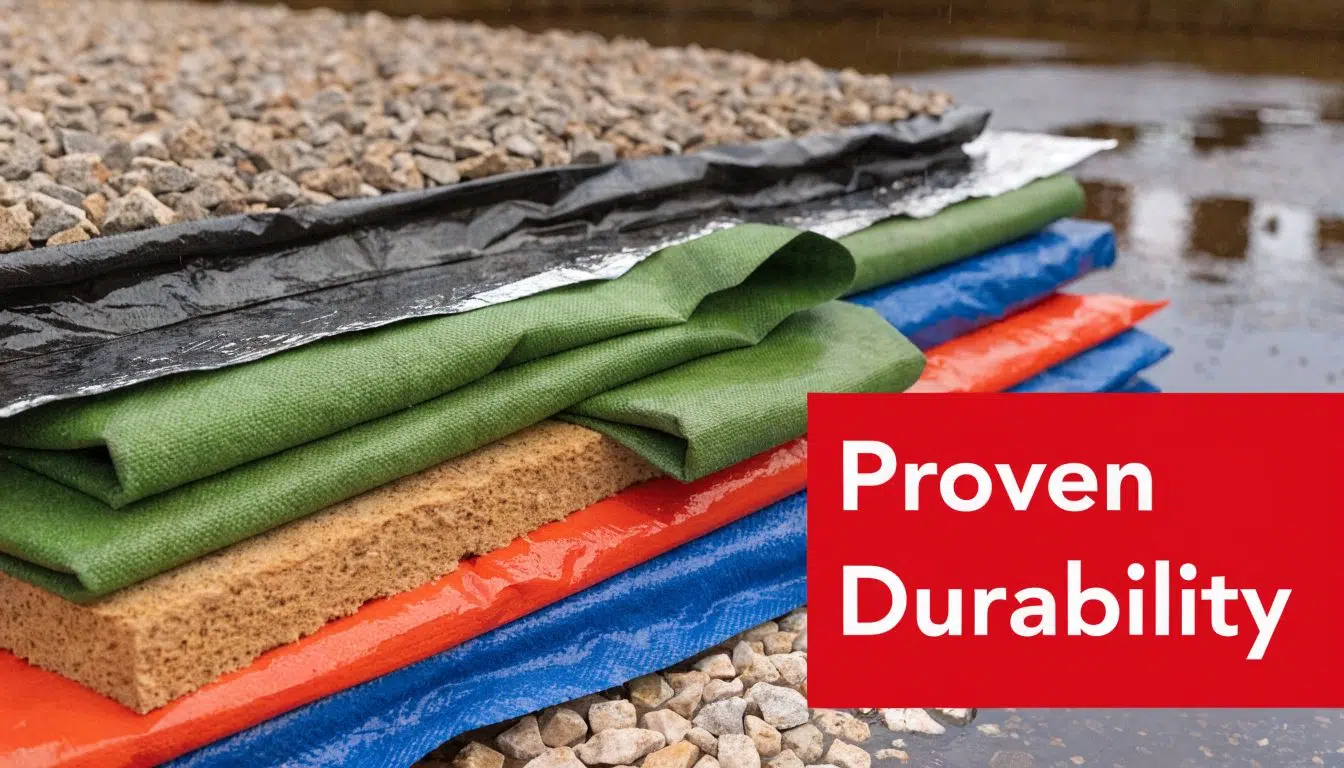
These systems have been around for a reason. They are layered, tough, and forgiving in ways some thinner assemblies are not. On buildings with HVAC units, elevator overruns, busy maintenance paths, and repeated rooftop access, that added mass and surface durability can pay off.
Modified bitumen as the practical middle ground
Modified bitumen fits a lot of Chicago properties because it is straightforward and hard-wearing. It is an asphalt-based sheet system with reinforcement, and it can be installed by torch, cold process, or self-adhered methods depending on the assembly and the building conditions. Owners who want a simple overview can start with this guide to what modified bitumen roofing is and how it works.
In the field, modified bitumen often lands in the middle. It is usually tougher under foot traffic than single-ply, but it does not always win on lifespan or long-term operating cost. For smaller commercial buildings, condo associations, and apartment properties with regular rooftop equipment access, that trade-off can be perfectly reasonable.
Chicago weather is part of that decision. Modified bitumen handles abuse well, but detailing and drainage still matter. Snow sitting on a low spot, ice building at drains, and repeated expansion and contraction at flashings will shorten the life of any roof if the system is installed poorly or left unmaintained.
Built-up roofing as the heavy-duty old-school option
BUR is the older multi-ply assembly many long-time building owners already know. It builds protection in layers, and that redundancy is still valuable on roofs that live a hard life.
I have seen BUR make sense on older commercial structures where owners want a thick, durable weathering surface and the building is designed to carry the added weight. In Chicago, that matters. A roof already dealing with snow load and wet insulation does not get a free pass on structural capacity just because the membrane is tough.
The upside is durability and redundancy. The downside is weight, labor, and a more involved installation process. BUR can also be less attractive for owners who want a faster, cleaner replacement with fewer odors and fewer installation disruptions.
And like every other flat-roof system, it still needs slope and drainage. A heavy roof over bad drainage is still a bad roof.
Where these systems still make sense
Modified bitumen and BUR are usually strongest where the roof sees punishment beyond weather alone.
- Frequent foot traffic: HVAC technicians, maintenance crews, and contractors use the roof often.
- Equipment-heavy layouts: Curbs, penetrations, and service lanes create concentrated wear.
- Older commercial buildings: Some structures were built around heavier, layered roof systems and are good candidates for them.
- Owners prioritizing toughness over reflectivity: A rugged surface may matter more than a bright white finish.
- Budget-driven replacement planning: Modified bitumen can be a sensible shorter-horizon choice if the owner understands the lifespan trade-off.
That last point is where ROI needs an honest look. Earlier in the article, American WeatherStar's flat roof materials comparison noted that modified bitumen typically falls into a lower upfront cost range and shorter service-life range than some alternatives, while SPF can deliver lower lifecycle cost over time in the right application. For Chicago owners, that does not make modified bitumen or BUR the wrong choice. It means the right choice depends on how the building is used, how often the roof is accessed, what the structure can carry, and whether the goal is lower initial spend or better long-term return.
For a condo board with steady service traffic, modified bitumen may be the smarter buy than a thinner system that gets beaten up. For an industrial property with a heavier-duty roof deck, BUR may still be a solid fit. For an owner focused strictly on longest service life per dollar, these older systems need to be compared carefully against membrane and coating options before the contract is signed.
Specialty Solutions Metal Roofing and Protective Coatings
Not every flat or low-slope roofing decision comes down to full replacement with membrane or bitumen. Sometimes the smart answer is a different category entirely. Two situations come up often. A building has a low-slope section that may be a fit for metal, or an existing roof still has enough life left that a coating makes more sense than a tear-off.
When low-slope metal belongs in the discussion
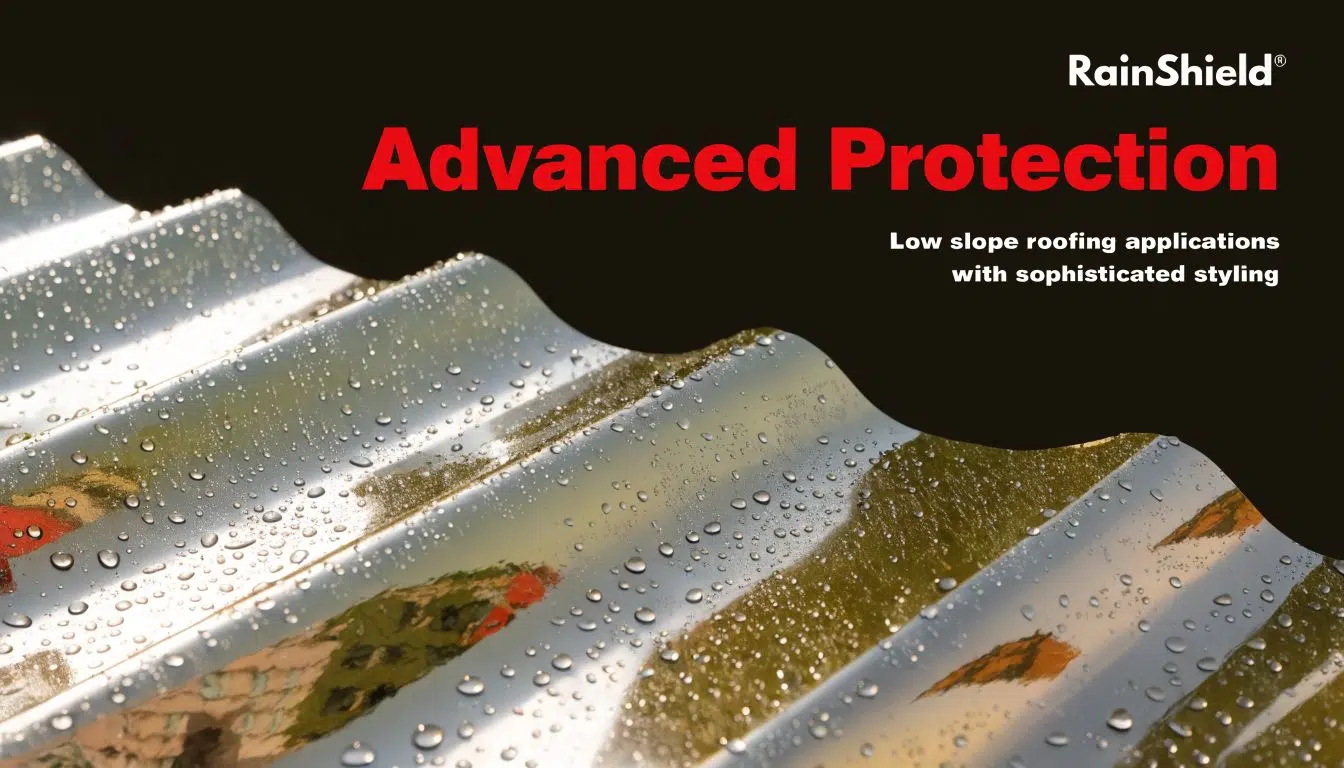
Metal is not a true flat-roof answer for every building. That needs to be clear. A standing-seam system needs the right slope, the right details, and the right structure. But on low-slope additions, canopy areas, and certain commercial sections, metal can be an excellent choice.
Chicago owners tend to appreciate metal for simple reasons. It sheds snow better than a true flat roof assembly, it looks clean, and it can be a strong long-term option in the right application. The mistake is trying to force metal onto a roof geometry that should really use a membrane system instead.
A few rules help:
- Use metal on low slope, not dead-flat sections
- Confirm drainage design before choosing it
- Match the panel system to the building movement and edge details
- Don’t assume a good steep-slope contractor is automatically a good low-slope metal installer
When a coating is the smarter move
A roof coating is not a shortcut for a failing roof. It is a restoration strategy for a roof that is still structurally and functionally worth saving. If the insulation is saturated, the substrate is compromised, or the membrane is at the end of its life, coating over problems just delays the necessary repair.
But when the base roof is in sound condition, a coating can make a lot of sense. Reflective coatings can improve the roof surface, seal minor weathering, and buy meaningful additional service time without the disruption of a full replacement. This guide to the best roof coating for flat roof applications is useful if you’re sorting through that option.
A coating works best when the roof is aging but still serviceable. It does not work as a disguise for wet insulation, failed flashing, or widespread membrane breakdown.
The best candidates usually have these conditions:
- The existing roof is dry underneath
- Seams and flashing are repairable
- Leaks are isolated, not widespread
- The owner wants life extension, not a full reset
For owners trying to stretch capital budgets without making a bad decision, coatings deserve a serious inspection-based evaluation. Sometimes they’re exactly the right move. Sometimes they’re money spent on a roof that should’ve been replaced.
Making the Right Choice for Your Chicago Property
A flat roof in Chicago gets tested in February and judged again in July. Heavy snow sits on it. Ice backs water up at drains and wall lines. Then summer heat bakes the surface and expands every seam, curb, and flashing detail. The right material is the one that holds up through those cycles and makes financial sense for the way the building is used.
The best choice also changes by property type. A homeowner with a small rear addition does not need the same roof assembly as a condo board managing a 20-unit building or an industrial owner with constant rooftop traffic. Material matters, but so do drainage, edge details, penetrations, and how long the owner plans to keep the property.
Homeowners with two-flats, bungalows, and small residential buildings
For many Chicago homes, EPDM is still a smart first look. It handles cold weather well, stays flexible during freeze-thaw swings, and is usually straightforward to repair later. On a smaller roof where summer reflectivity is not the main goal, that matters.
TPO makes sense when top-floor heat is part of the problem or the roof gets full sun all day. White membranes can help with summer comfort, especially over bedrooms, finished attics, and top-floor living space. The trade-off is that installation quality matters a lot. On residential flat roofs, I pay close attention to flashing at parapet walls, chimneys, and transitions because that is where many Chicago leaks start.
Small-building owners usually get the best return by focusing on three things:
- A membrane the local service market can repair
- Drainage that does not leave standing water after storms
- Flashing details built for ice, snow, and movement
A cheaper roof that fails at the parapet is not a bargain.
Property managers and HOA boards
Condo boards need a roof they can explain to owners and budget for without surprises. In many cases, 60 mil TPO is a practical fit because it balances cost, reflectivity, and welded seams that help on larger open roof areas. It also fits reserve planning better than systems that need more frequent patching and ongoing attention.
PVC is worth the extra cost on buildings with harder rooftop conditions, more equipment, or a longer hold strategy. The upfront price is higher, but some boards recover that through fewer service issues and better durability around penetrations and mechanical areas.
Boards also make mistakes when they compare only membrane brands and bid totals. A Chicago flat roof succeeds or fails at drains, edge metal, pitch pockets, wall flashings, and rooftop unit curbs. Residents do not care what membrane was specified if water shows up in a top-floor hallway.
Commercial owners of retail, office, and mixed-use buildings
Commercial buildings usually need a system that controls repair calls, protects tenants, and stays within a realistic capital budget. For a lot of these properties, TPO remains the best starting point. It works well where owners want a clean balance of price, energy performance, and broad contractor familiarity.
Modified bitumen deserves a hard look when the roof sees more foot traffic, more trades on the roof, or more abuse from routine service work. It is not always the longest-life option, but it can be a very practical one on buildings where toughness matters more than a highly reflective surface.
Expert Super Seal Roofing & Tuckpointing installs TPO, EPDM, modified bitumen, metal, torch-down rubber, and coatings for Chicago-area flat roofs. That matters because owners should be able to compare several systems against the same building conditions instead of being steered toward one product by default.
Industrial facilities and harder-use roofs
Industrial roofs are a different category. They deal with traffic, equipment, grease, chemical exposure, stacked penetrations, and constant service activity. Those conditions punish weak details fast.
For that reason, PVC is often the strongest fit where the roof has harsher operating conditions or contamination concerns. It generally holds up well around equipment-heavy sections and can offer better long-term value where shutdowns or leak-related interruptions are expensive.
Some facilities are better served by modified bitumen or another heavier-duty assembly. That is especially true where abuse resistance matters more than reflectivity and where maintenance crews are on the roof all year.
SPF can also be considered on select industrial buildings, but only after a careful inspection and only with a contractor who knows the system well. It can perform very well in the right application. It can also fail early if the substrate, detailing, or installation is wrong. In Chicago, that risk gets worse when ponding water, freeze-thaw stress, and deferred maintenance are already part of the picture.
The best roof for your Chicago property depends on how the building is used, how long you plan to hold it, how much abuse the roof takes, and whether reducing summer heat, leak risk, or maintenance calls is the top priority. Good roofing decisions are not generic. They are building-specific, weather-specific, and budget-specific.
Frequently Asked Questions About Flat Roofing
Can you install a new flat roof over an old one
Yes, in some cases.
An overlay can save tear-off cost and reduce disruption, but only when the existing roof is dry, stable, and still worth building over. In Chicago, that standard matters more because trapped moisture does not stay harmless. It gets worked over by freeze-thaw cycles, and small hidden problems turn into soft insulation, deck damage, and early membrane failure.
A real inspection decides this. Not a quick bid from the parking lot.
Overlay is sometimes a reasonable option when the roof system is largely dry and the substrate is still sound. Full tear-off is usually the better call when leaks have shown up in multiple areas, insulation is wet, or the deck needs repair. On older Chicago buildings, I assume there is more moisture in the system than the surface shows until core cuts or testing prove otherwise.
What is the typical ROI on a new flat roof in Chicago
There is no honest one-size-fits-all ROI number.
A six-flat with top-floor heat complaints, a condo association trying to control assessments, and a warehouse with expensive inventory all measure return differently. The right question is not just "What does this roof cost?" It is "What does the wrong roof cost over the next 15 to 25 years?"
In the field, the return usually shows up in a few practical ways:
- Fewer leak-related repairs, including interior damage and emergency service calls
- Lower cooling demand on buildings that benefit from a reflective surface
- Longer service life when the material matches the use of the building
- More predictable budgeting for owners and condo boards
Chicago weather changes the math. A cheaper roof that struggles with ponding water, ice, seam stress, or foot traffic can cost more over time than a system with a higher upfront price and fewer failure points.
How do I know if I need a repair or full replacement
Start with the pattern, not just the latest leak.
A repair still makes sense when the problem is isolated to one seam, one flashing detail, one puncture, or one drain area. Replacement becomes the smarter financial decision when leaks keep returning, patches are spread across the roof, seams are opening in several areas, or moisture has moved beyond one small section.
If the roof has become a regular emergency instead of a manageable maintenance item, patching is usually delaying a bigger bill.
Age matters too, but condition matters more. I have seen younger roofs fail because of bad drainage or poor detailing, and older roofs keep going because the system was built right and maintained.
Which flat roofing material is best for Chicago winters
For winter performance alone, EPDM has a strong track record in cold climates because it stays flexible when temperatures drop. That makes it a serious option for Chicago buildings that take repeated freeze-thaw stress.
That said, winter performance is never about membrane alone. Insulation, slope, drainage, curb details, edge metal, and flashing work decide whether the roof sheds water or holds it long enough to create trouble. A well-installed TPO system can perform very well here. Modified bitumen also remains a dependable choice on some buildings, especially where abuse resistance and redundancy matter.
For many Chicago owners, the best winter roof is the one that handles cold, drains properly in a January thaw, and does not turn minor snow and ice buildup into recurring leak calls.
What flat roof material is best for reducing summer heat
TPO is often the first material I discuss for heat reduction because its white surface reflects more sun than dark membranes. That benefit shows up most clearly on larger roofs with full sun exposure and high cooling demand.
But summer savings should be weighed against the whole Chicago weather cycle. A roof that helps in July still has to deal with snow load, thermal movement, and ice around drains in February. On some residential and condo buildings, owners choose EPDM because they value its cold-weather history more than peak summer reflectivity. On others, especially buildings with high top-floor heat gain, a reflective membrane makes strong financial sense.
The best answer depends on how the building uses energy all year, not just during one hot month.
How often should a flat roof be inspected
Twice a year is a practical baseline, once in spring and once in fall. In Chicago, roofs should also be checked after major storms, heavy snow periods, or any sign of interior staining.
The buildings that avoid expensive surprises usually stay consistent about a few basics:
- Clear drains and scuppers
- Inspect flashing, seams, and penetrations
- Track changes over time with photos and service records
Flat roofs usually give warning before they fail. The problem is that owners often do not spot those warning signs until water reaches the ceiling.
If you're weighing repair versus replacement or comparing TPO, EPDM, modified bitumen, coatings, or other flat roof options for a Chicago property, Expert Super Seal Roofing & Tuckpointing handles residential, commercial, and industrial roofing across the area and can inspect the existing system, explain the trade-offs, and provide a scope based on the building’s actual conditions.