
Opening your mailbox and finding a roof insurance check inside can feel a little confusing.
On one hand, it’s a relief that your claim finally moved forward. On the other hand, now you’re staring at a check and wondering what exactly comes next.
Do you cash it right away? Call a roofer first? Send it to your mortgage company?
Or do you hold onto it?
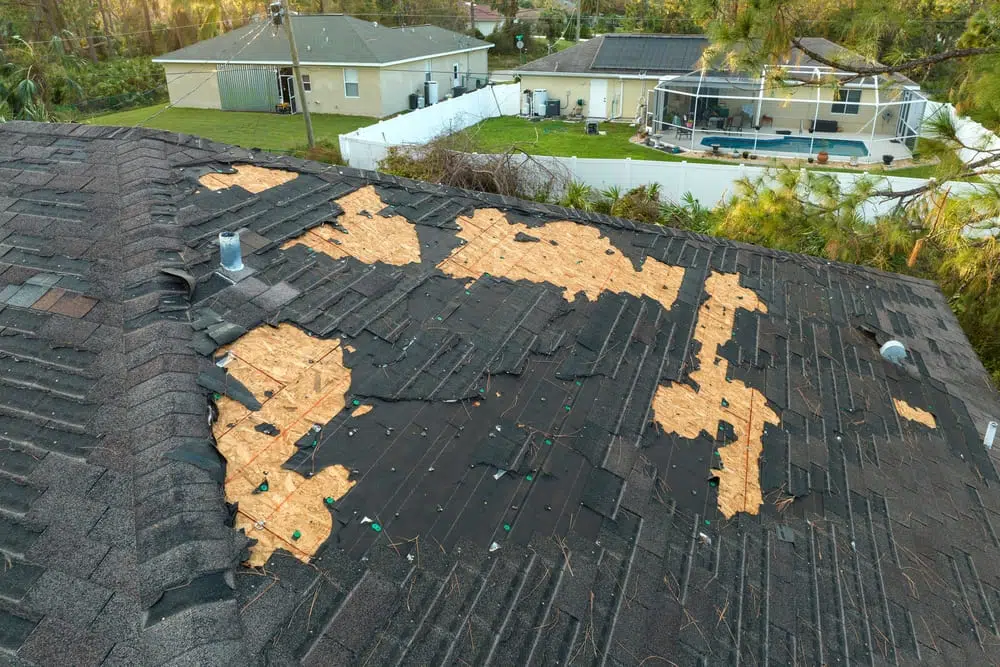
A lot of homeowners end up in this exact situation after storm damage, hail, wind, or falling debris messes up their roof. The insurance company sends money before repairs even begin, and suddenly you’re expected to figure out the process.
In this post, we’ll go over what to do if the insurance sends you a check for a roof.
Why Do Insurance Companies Send Checks Before Repairs?
The insurance company sends an initial payment so you can start the repair process.
Roofing jobs can cost thousands of dollars, and most homeowners can’t front that money out of pocket while waiting for reimbursement.
The first payment is often based on something called actual cash value.
That means depreciation may already be deducted from the amount.
After the roof work is completed and proof is submitted, the insurance company may release additional funds.
Another thing to know is that the amount on the check isn’t always final. If your roofing contractor discovers extra damage during repairs, they can sometimes submit a supplement request to the insurance company for additional payment.
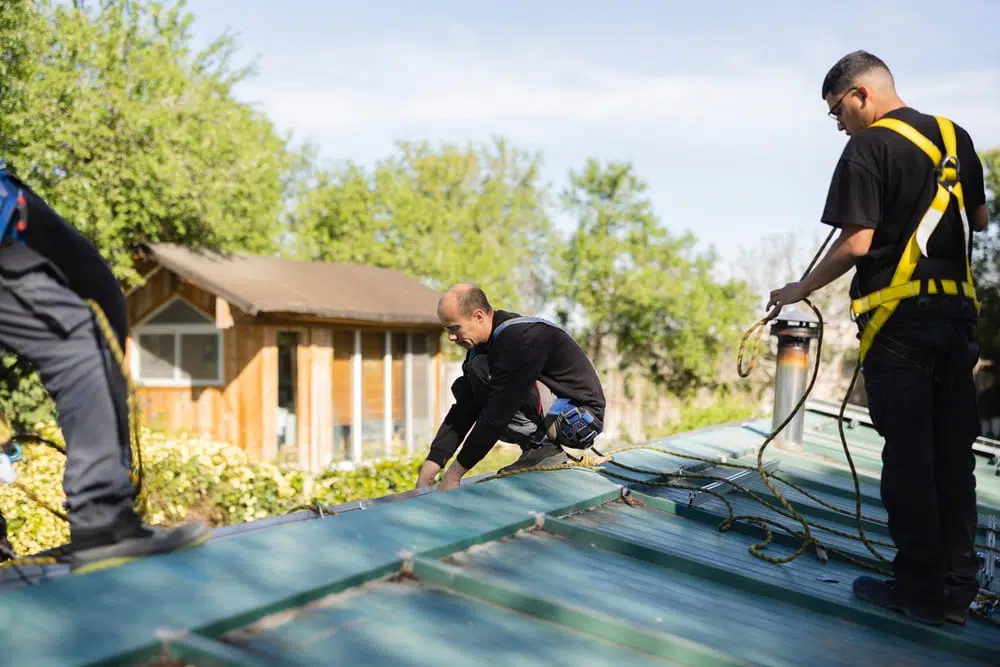
This is why experienced roofing contractors often ask to see the insurance estimate before starting the job.
What To Do If Insurance Sent You A Check For Roof
At this point, you probably have the check sitting on your kitchen counter and a dozen questions running through your head. Totally normal.
Here’s how to handle things without making the process harder than it needs to be:
#1. Read The Insurance Settlement Paperwork
Before cashing anything, take a close look at all the paperwork that came with the check.
The documents explain what the insurance company approved, what they didn’t approve, and how the payout is structured.
You’ll usually find details like:
- The total claim amount
- Your deductible
- Depreciation that was withheld
- Covered repairs included in the estimate
Sometimes homeowners think they received the full roof replacement amount when it’s actually just the first portion of the claim payment.
Read through the estimate line by line. It might feel boring, but it gives you a clear picture of what the insurance adjuster saw during the inspection.
If something looks off or important damage was missed, this is the time to bring it up.
Also Read: Chimney Leaking Black Liquid
#2. Check Who The Check Is Payable To
Now look at the names listed on the check.
If the check is made out only to you, the process is usually pretty simple. You can deposit the money and pay your roofing contractor according to the contract terms.
Things get a little more involved when your mortgage company is also listed on the check.
This happens all the time because the lender has a financial interest in the property. They want to make sure the roof actually gets repaired.
In that situation, you’ll probably need to contact your mortgage servicer before depositing the check. They may ask for:
- A copy of the insurance estimate
- Contractor agreements
- Photos of the damage
- Inspection reports during repairs
Some lenders release funds in stages as work progresses.
It can feel annoying, but it’s a standard part of the process.
#3. Get Roofing Estimates (If You Haven’t Yet)
Even if the insurance company already inspected the roof, it’s smart to get estimates from a few roofing contractors.
Insurance estimates and contractor estimates don’t always match perfectly.
A good roofing company can point out damage the adjuster may have overlooked. They can also help submit supplements if extra repairs are needed.
That said, don’t automatically choose the cheapest quote.
Roof work is one of those things where quality really matters. A poorly installed roof can lead to leaks, mold, and expensive repairs down the road.
Take your time asking questions. A trustworthy roofer won’t pressure you into signing a contract on the spot. If someone shows up promising a “free roof” or offering to cover your deductible, that’s usually a red flag.
The best contractors are transparent, patient, and willing to explain the process clearly.
#4. Decide Whether To Repair Or Replace
Sometimes the damage only affects a small section of the roof.
Other times the entire thing needs replacement.
This decision depends on several factors, including the age of the roof, local building codes, material availability, and the extent of the damage itself.
Also Read: Will Insurance Cover a 15 Year Old Roof?
Your contractor can help you understand what makes the most sense financially and structurally. In some situations, patching a few shingles might seem cheaper upfront but could create matching problems or future leak issues.
Insurance companies also look at repairability. If the damaged materials can’t be matched properly, full replacement may become the better option.
#5. Don’t Spend The Money On Something Else
This is probably the biggest mistake homeowners make after receiving an insurance check.
It can be tempting to use the money for other expenses, especially if life feels financially tight. But roof problems rarely improve with time.
What starts as a roofing issue can snowball into a much bigger and more expensive mess.
If you have a mortgage, your lender usually expects the roof repairs to be completed anyway. Skipping the repairs could create issues with future insurance claims or even your policy renewal.
Using the money for the intended repairs protects your home and saves stress later.
#6. Keep Documentation
This step feels tedious, but it’s incredibly important.
Keep copies of everything connected to the claim and repairs. Create a folder on your computer or phone so nothing gets lost halfway through the project.
Save things like contracts, invoices, photos, receipts, inspection reports, emails, and warranty information. If the insurance company requests proof of completed repairs later, you’ll have it ready to go instead of scrambling to find paperwork.
Good documentation also helps if any disputes come up after the work is finished.
Also Read: New Roof Leaking After 2 Years
What To Do After The Repairs Are Complete?
Once the roofing work is done, there are usually a few final steps before the claim officially closes out.
Your contractor may provide final invoices, completion photos, and warranty paperwork. The insurance company could request some of these documents before releasing any remaining depreciation funds.
If your mortgage company held part of the money, they may send an inspector to confirm the repairs were completed properly before releasing the final payment.
At this stage, it’s worth taking a careful walk around the property.
Check the cleanup, look for leftover debris, and make sure gutters, siding, and landscaping weren’t damaged during the roofing process.
What Happens If You Don’t Fix The Roof?
Ignoring roof damage can create serious problems over time.
Insurance companies may deny future claims related to the same damage if repairs were never completed. Water intrusion can also lead to mold growth, wood rot, insulation damage, and ceiling stains that spread far beyond the original issue.
It can also affect home value. Buyers and home inspectors tend to spot roofing problems quickly, and unresolved damage can complicate a future sale.
Even worse, a minor leak today can become a major structural repair a year from now.
Bottom Line
Getting a roof insurance check is really just one step in the larger repair process. So slow down, understand the paperwork, choose a reliable contractor, and use the funds properly.
Once you know how the process works, it becomes much less intimidating.
Read the estimate carefully, communicate with your mortgage company if needed, keep organized records, and focus on getting quality repairs completed.
A solid roof protects your entire home, so handling the claim carefully now can save you a lot of money and stress later on.