
A lot of homeowners start asking questions about insurance once their roof gets older, especially around the 20 to 25-year mark.
You might hear one person say insurance will never cover an old roof, while someone else says their claim got fully approved after a storm. That’s why this topic gets confusing fast.
The truth is, a 25-year-old roof can still be covered by insurance in some situations.
At the same time, older roofs usually come with stricter rules, more inspections, and a higher chance of claim disputes.
In this guide, we’ll break down if insurance covers 25 year old roofs, what damage is normally covered, what gets denied most often, and what you can do if your roof is starting to show its age.
Why Does Roof Age Matter To Insurance Companies?
Roof age matters because older roofs are riskier to insure.
It’s pretty simple from the insurance company’s perspective. A newer roof is less likely to leak or suffer major damage during a storm. A 25-year-old roof, on the other hand, has already gone through decades of wear.
Most asphalt shingle roofs are built to last somewhere around 20 to 30 years.
Some make it longer with good maintenance, while others start failing earlier because of poor installation or rough weather conditions.
Once a roof gets close to the end of its expected lifespan, insurers start paying much closer attention.
Also Read: Will Insurance Cover a 15 Year Old Roof?
That can lead to things like higher premiums, limited coverage, inspections, or even non-renewal notices. Some companies become very strict once a roof passes the 20-year mark.
The condition of the roof matters far more than the number alone though.
Will Insurance Cover A 25 Year Old Roof?
Yes, insurance can still cover a 25-year-old roof. The roof being older does not automatically disqualify you.
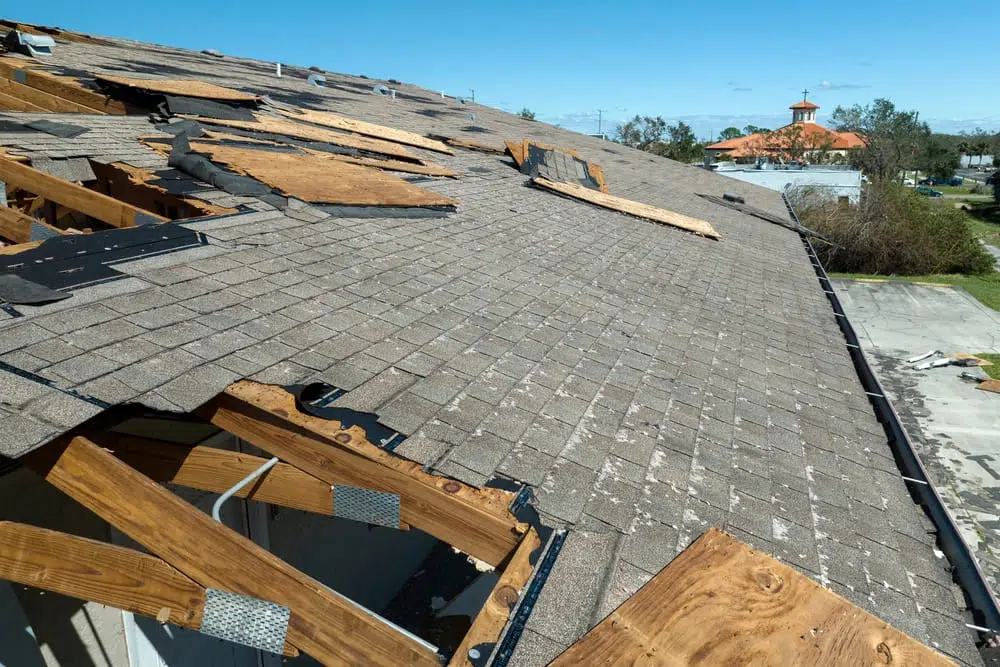
Homeowners insurance covers sudden and accidental damage. So if a windstorm rips shingles off your roof or hail causes major damage, there’s a decent chance the claim could be covered.
At the same time, insurance companies often handle older roofs differently than newer ones. Instead of paying full replacement cost, they may only pay actual cash value.
That means depreciation gets deducted from the payout based on the roof’s age and condition.
So even if your claim gets approved, the check might be smaller than expected.
For example, let’s say replacing the roof costs $15,000. If the insurer decides your old roof had very little remaining lifespan, they might only pay a fraction of that amount after depreciation and your deductible come out.
That’s where many homeowners get frustrated. They assume approval means a full roof replacement is covered, then realize the payout barely scratches the surface.
What Insurance Usually Will Not Cover
Insurance companies generally will not pay for damage tied to age, neglect, or lack of maintenance. That’s one of the biggest misunderstandings people run into with roofing claims.
If the roof simply wore out over time, the insurer will likely deny the claim.
Also Read: Insurance Sent Me A Check For Roof – Now What?
Insurance is there for sudden events, not gradual deterioration.
Here are some common issues insurance usually will not cover:
- General wear and tear
- Aging shingles
- Ongoing leaks caused by poor maintenance
- Rot, mold, or long-term water damage
- Installation defects
- Damage caused by ignored repairs
This is why maintenance matters so much with older roofs.
If shingles have been curling for years or there were obvious signs of problems before the storm happened, the insurance company may argue the roof was already failing.
Sometimes two roofs can experience the exact same storm, yet only one claim gets approved.
The difference often comes down to condition before the damage occurred.

Signs Your Old Roof Could Still Be Insurable
A roof does not need to be brand new to stay insurable. Plenty of older roofs still qualify for good coverage because they’ve been properly maintained over the years.
Insurance companies mainly want to see that the roof still has functional life left and isn’t at immediate risk of failure.
Some good signs include:
- No active leaks inside the home
- Shingles still lying flat and intact
- No major sagging areas
- Proper drainage and gutters
- Repairs handled quickly over the years
- Inspection reports showing decent condition
Documentation can also help a lot. If you’ve had roofing inspections, maintenance work, or partial repairs done, keep those records. They can become useful if you ever need to prove the roof was in decent shape before a claim.
A clean inspection report gives insurers more confidence too. In some cases, homeowners can even shop around and find companies more comfortable insuring older roofs than others.
Also Read: Chimney Leaking Black Liquid
Should You Replace A 25-Year-Old Roof Before Problems Start?
In a lot of cases, replacing an aging roof before major problems show up can save money and stress later.
Once a roof reaches 25 years old, you’re already close to the typical lifespan for many asphalt shingle systems. Even if it still looks decent from the ground, hidden wear may already be building up underneath.
A new roof can make insurance easier to maintain, reduce the chances of denied claims, and help avoid surprise leaks during storms.
Some insurance companies even offer discounts for newer roofing systems because they reduce claim risk.
Of course, replacing a roof is expensive, so not everyone wants to rush into it immediately.
If the roof is still performing well, getting a professional inspection can help you understand how much life may realistically be left.
What To Do If Your Claim Gets Denied
Getting a roof claim denied can feel pretty frustrating, especially after paying insurance premiums for years. Still, a denial does not always mean the situation is over.
The first thing to do is carefully read the denial letter.
Insurance companies usually explain why they rejected the claim.
Once you know the reason, you can start gathering more information. Many homeowners bring in an independent roofing contractor for another opinion. A second inspection may uncover storm damage the insurance adjuster missed or downplayed.
Photos help too, especially if you have older pictures showing the roof’s condition before the incident happened.
If needed, you can also:
- Request a second inspection from the insurance company
- Hire a public adjuster
- Review your policy language carefully
- Speak with an attorney if the dispute becomes serious
Sometimes claims get approved after additional evidence gets submitted. Insurance disputes happen more often than people think, especially with older roofs.
Bottom Line
Insurance can still cover a 25-year-old roof, but older roofs usually face stricter rules and more limitations than newer ones.
The biggest factor is the cause of the damage. Sudden storm damage may qualify for coverage, while normal aging and neglected maintenance usually will not.
If your roof is getting up there in age, it’s smart to review your policy now instead of waiting until a leak or storm shows up.
A quick inspection and a clear understanding of your coverage can help prevent a lot of headaches later on.