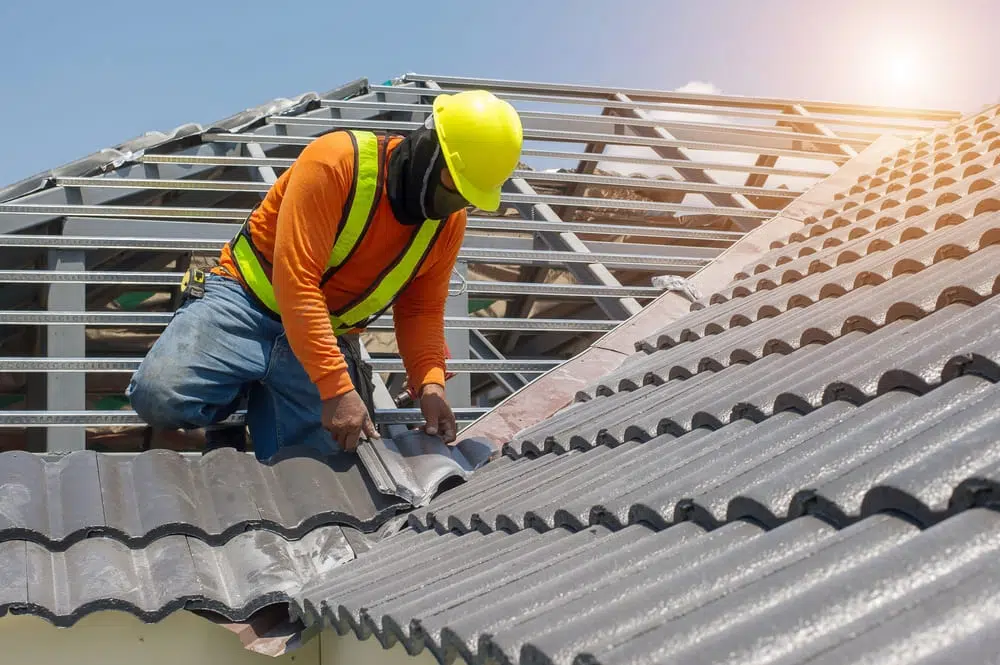
Thinking about replacing your own roof? You’re definitely not alone.
A lot of homeowners look at the cost of hiring a roofing crew and start wondering if doing it themselves could save a serious amount of money.
And honestly, in some cases, it can.
But before you start pulling off shingles and loading up supplies, there’s one important thing you need to figure out first: Permits.
Roofing permits can feel confusing because the rules are different almost everywhere.
In this guide, we’ll explain if you need a permit to replace your roof yourself.
Do You Need A Permit To Replace Your Roof Yourself?
Yes, you need a permit to replace your roof yourself in most areas since a roof replacement is considered major home improvement work.
Local building departments usually want to make sure the work meets code requirements, especially since roofing problems can lead to leaks, structural damage, mold, and even fire risks if ventilation is done incorrectly.
If you’re simply repairing a tiny section after a storm, you may not need one.
But once the project turns into a full replacement, permits are commonly required.
A lot of homeowners get confused because they assume permits only apply when hiring contractors. That’s not really how it works.
The city or county generally cares more about the type of work being done than who is holding the hammer.
The good news is that homeowners are often allowed to do their own roofing work legally.
Also Read: Will Insurance Cover A 25-Year-Old Roof?
Situations Where A Permit Is Usually Required
There are certain roofing projects that almost always trigger permit requirements.
If your project falls into one of these categories, there’s a very good chance your local building office will want paperwork filed first:
- Full roof replacement
- Removing old roofing layers completely
- Replacing roof decking or plywood underneath
- Structural changes to rafters or supports
- Switching from one roofing material to another
- Large storm damage repairs
For example, changing from lightweight asphalt shingles to heavier tile roofing can affect the structural load of the house. Building departments want to make sure the roof can safely support that extra weight.
Even something that seems simple, like replacing damaged decking under old shingles, may require inspection because it involves the structural parts beneath the surface.
That’s the kind of thing inspectors usually pay close attention to.
When You Might Not Need A Permit
Not every roofing project needs official approval.
Smaller repairs are often treated differently because they don’t significantly change the structure or performance of the roof. If you’re just fixing minor damage, your city may not require permits at all.
Common examples include:
- Replacing a few missing shingles
- Small leak repairs
- Patching flashing around vents or chimneys
- Minor maintenance work
- Fixing isolated storm damage
That said, the definition of “minor” can vary a lot.
One town may allow repairs up to 100 square feet without permits, while another might require permits for almost any roofing work beyond basic maintenance.
Also Read: Insurance Sent Me A Check For Roof – Now What?
This is why it’s always smart to check first instead of assuming.
Can Homeowners Pull Their Own Roofing Permit?
In many places, yes. This is usually called an owner-builder permit.
Basically, it means the homeowner takes responsibility for the project instead of hiring a licensed contractor to handle everything.
Once you pull the permit yourself, you become responsible for making sure the work follows local building codes. That includes inspections, safety requirements, and fixing anything that fails inspection.
Some cities make this process easy. Others make it a bit more complicated by requiring forms, proof of ownership, or agreements stating that you personally will complete the work.
A few places also restrict DIY roofing on certain types of homes or steep roofs because of safety concerns.
And honestly, roofing is one of the riskier DIY projects out there.
It’s physically demanding, surprisingly technical, and not forgiving when mistakes happen. One poorly installed flashing detail can turn into years of water damage inside your attic.
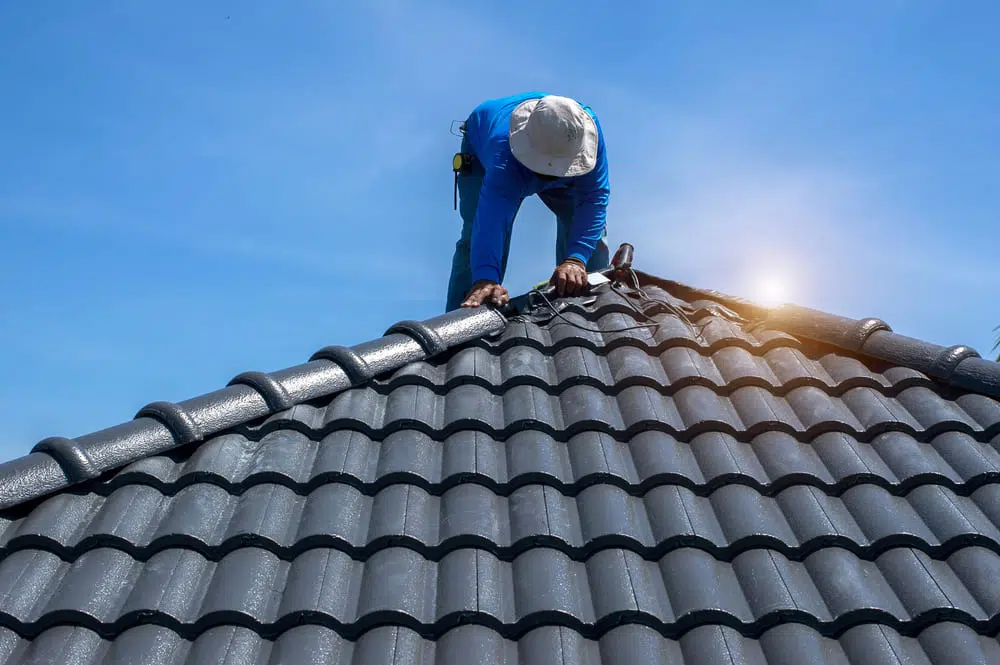
How To Check Roofing Permit Requirements In Your Area
The easiest thing you can do is contact your local building department directly.
Seriously, don’t spend hours digging through random forum posts online when one phone call can give you the exact answer.
Most city or county websites also list permit requirements for common home projects. Roofing usually has its own section explaining:
- Permit requirements
- Inspection schedules
- Roofing code rules
- Application fees
- Homeowner permit eligibility
When you call, keep your questions simple. Tell them you’re planning to replace your own roof and ask what permits or inspections are required.
You should also ask:
- If multiple layers of shingles are allowed
- If tear-off is required
- How many inspections are needed
- If there are ventilation requirements
- How long permits stay valid
Missing a required inspection can delay your project or force you to uncover completed work so inspectors can see underneath.
Also Read: Chimney Leaking Black Liquid
What Happens If You Replace A Roof Without A Permit?
If the city finds out about unpermitted roofing work, you could face fines or penalties.
In some cases, inspectors may require parts of the roof to be removed so they can inspect hidden work underneath.
It can also create problems during home sales.
Buyers and home inspectors often ask about major renovations, and missing permits can raise red flags. A future buyer may worry the work wasn’t done correctly, which can slow down the sale or reduce the home’s value.
Insurance issues are another big concern. If a roofing problem leads to damage later, insurance companies may question claims connected to unpermitted work.
Other Things To Consider Before Replacing Your Roof Yourself
The permit is only one piece of the puzzle.
Roofing is exhausting work. It’s hot, heavy, repetitive, and physically rough. Shingles are heavier than most people expect, and climbing ladders all day gets tiring fast.
Falls are one of the biggest risks in construction, and roofs can become slippery incredibly quickly, especially on steep slopes or during humid weather.
Then there’s the cost side.
DIY roofing saves labor money, but tools, dumpsters, permits, safety gear, underlayment, flashing, and materials add up fast.
If mistakes happen, repairs can erase those savings pretty quickly.
Timing is another thing people underestimate. Professional crews can replace roofs in a day or two because they work efficiently as a team. A DIY project may stretch across multiple weekends, leaving your house exposed to weather longer than planned.
Bottom Line
If you’re replacing your entire roof yourself, there’s a strong chance you’ll need a permit.
Small repairs might slide under the radar in some areas, but full replacements usually involve inspections and code requirements.
The smartest move is checking with your local building department before starting anything. It doesn’t take long, and it can save you from fines, insurance issues, or expensive rework later.
And if you do decide to tackle the roof yourself, plan carefully, work safely, and don’t rush the process. A roof protects your entire home, so it’s one project worth doing right the first time.